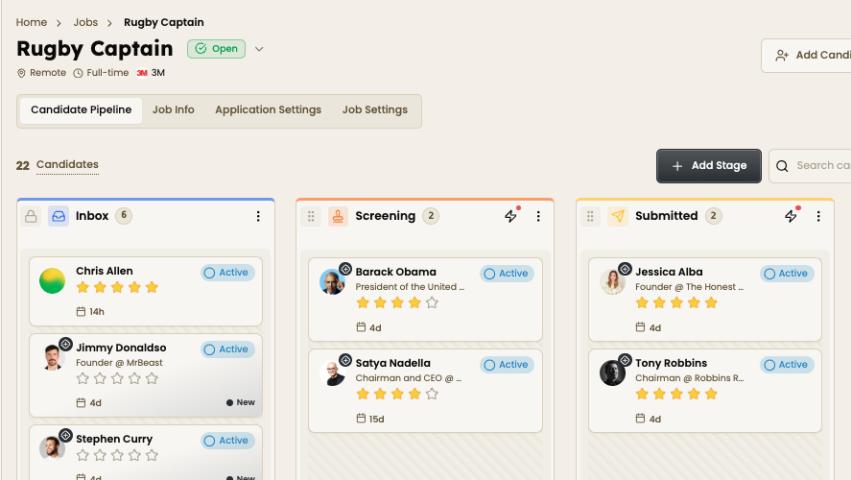
If you're running a recruitment agency or working as an independent recruiter, you know the struggle all too well. Your client information is scattered across email threads. Your candidate database lives in multiple spreadsheets that are constantly out of sync. Job openings are tracked in one place, candidate pipelines in another, and your communication history with clients is buried somewhere in your inbox. You're spending more time managing data than actually recruiting.
This is the spreadsheet trap, and it's costing recruitment agencies thousands of dollars in lost productivity, missed opportunities, and frustrated clients every single year.
The Real Cost of Spreadsheet Management
When recruitment operations run on spreadsheets, the problems multiply quickly. A recruiter spends valuable time manually entering candidate information from LinkedIn, copying and pasting data between different sheets, and trying to remember which version of the spreadsheet is actually current. Clients call asking for updates, but pulling together shortlists and placement status means digging through multiple files and piecing together information from different sources.
Worse, spreadsheets lack visibility. When a candidate moves through your pipeline, nobody on your team automatically knows unless you manually update cells. If a client changes requirements, you have to manually search through your candidate list to find potential matches. Critical information gets lost. Handoff mistakes happen. And the time your team spends on these administrative tasks is time they're not spending on what they actually want to do: recruiting and building relationships.
Why Spreadsheets Fail at Recruitment
Spreadsheets were built for accounting, not for managing complex, people-focused processes like recruitment. They don't track candidate journey stages intuitively. They don't send you reminders when follow-ups are overdue. They don't connect your client information with their open jobs and the candidates you're sourcing for them. They certainly don't automatically parse information from a resume or pull LinkedIn profile data with one click.
The result? Your team becomes overworked, clients become frustrated with slow turnarounds, and your agency's growth potential gets limited by how much manual work your team can physically handle.
The Solution: Moving Beyond Spreadsheets
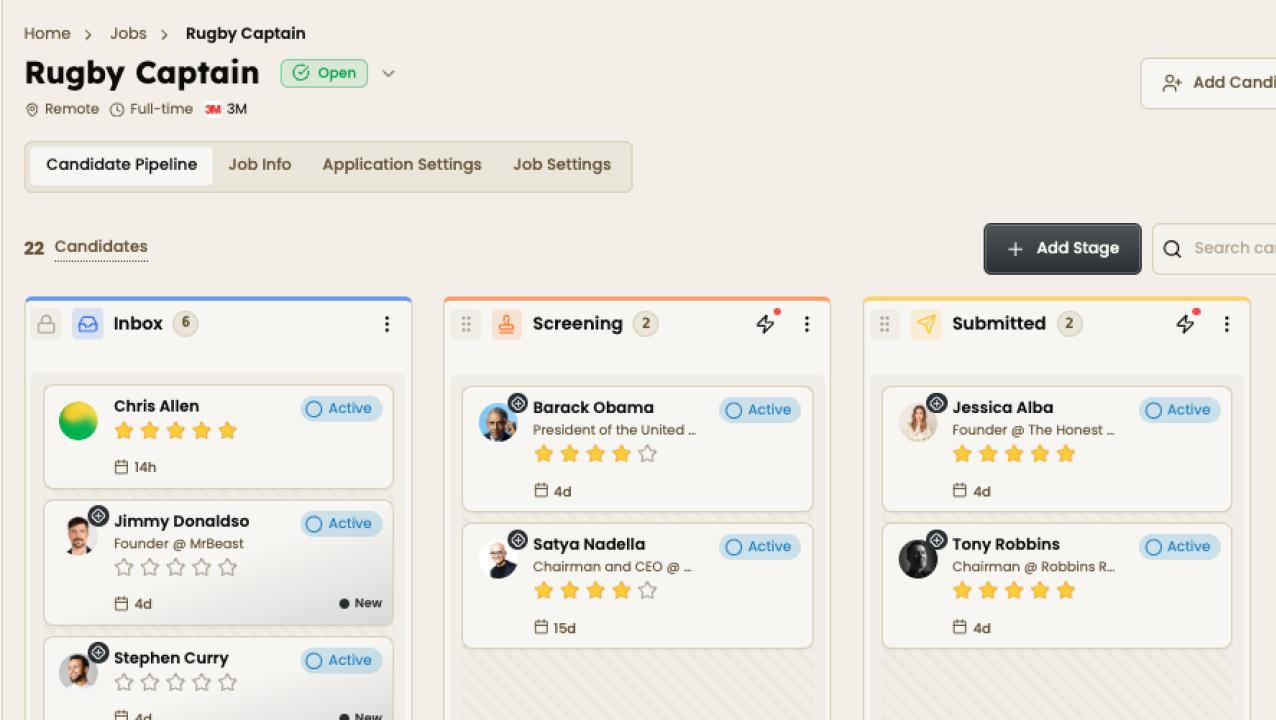
What if everything your team needed to run recruitment was organized in one place? What if adding a candidate, updating a client, creating a job posting, and moving a candidate through your pipeline all happened in a system designed specifically for how recruiters actually work?
That's where modern recruitment platforms make a real difference. Instead of jumping between spreadsheets, email, and notebooks, your entire operation lives in one unified workspace. Client information connects to open jobs. Open jobs connect to candidate pipelines. Every interaction, note, and status update lives in the same place where your team actually needs it.
This approach has transformed how agencies operate. One recruiter using a modern platform instead of spreadsheets reported going from managing chaos to having a complete database where every client, position, and candidate is organized and searchable in seconds.
Getting Started: Features and Onboarding
If you're ready to move your recruitment operation beyond spreadsheets, exploring a platform built specifically for recruiters is the natural next step. You can get a detailed overview of how modern recruitment management works by checking out the key features that make this possible at https://www.happlicant.com/features. These features are designed specifically around what recruiters actually need to do every day.
Getting set up is simpler than you might think. Rather than a complicated implementation process, you can get started quickly and have your team productive from day one. To see exactly how the onboarding process works and how fast you can transition from spreadsheets to a real system, take a look at https://www.happlicant.com/onboarding.
The Path Forward
Every successful recruitment agency eventually reaches a point where spreadsheets stop working. The question isn't whether you'll outgrow them, but when. By making the switch before spreadsheets become a serious bottleneck, you position your agency to scale efficiently, keep your team happier, and deliver better results to your clients.
The spreadsheet trap is real, but it's also completely avoidable. Your recruitment operation deserves better tools, your team deserves better systems, and your clients deserve faster, more professional service. That starts with moving beyond spreadsheets to a platform built for how recruitment actually works.