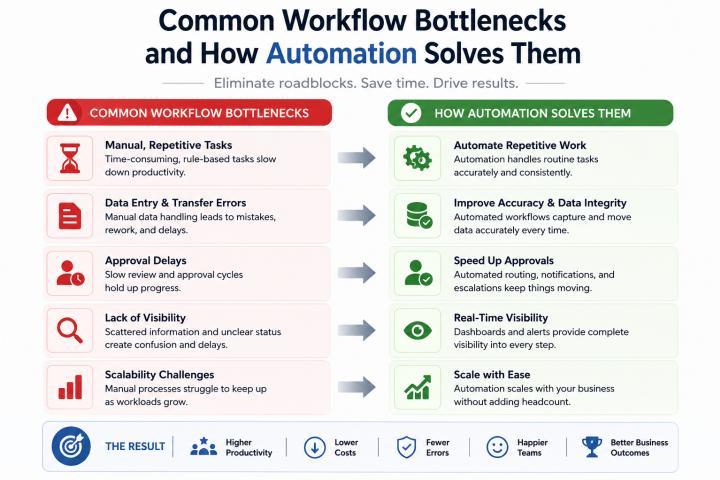

Starting a business requires more than a great idea. As startups grow, managing operations, customer relationships, finances, inventory, and team collaboration becomes increasingly complex. Many growing companies struggle with disconnected tools and manual processes that slow productivity and limit scalability.
This is where ERP (Enterprise Resource Planning) software plays a crucial role. Modern ERP solutions help startups centralize their business operations, automate repetitive tasks, and make better decisions using real-time data.
What Is ERP Software?
ERP software is a technology solution that integrates different business functions into a single platform. Instead of using separate systems for accounting, sales, inventory, customer management, and project tracking, businesses can manage everything through one connected system.
For startups, this means fewer operational challenges, improved visibility, and more efficient workflows.
Why Startups Need ERP Solutions
1. Centralized Business Management
Startups often use multiple applications to manage different departments. While this may work initially, it creates data gaps and communication problems as the company expands.
ERP software brings all essential business processes together, allowing teams to access accurate information from one place. This improves collaboration and reduces errors caused by scattered data.
2. Automating Repetitive Tasks
Time is one of the most valuable resources for startups. Manual tasks such as invoice processing, inventory updates, reporting, and customer follow-ups consume valuable working hours.
Business automation through ERP helps companies reduce repetitive work and allows employees to focus on strategic activities such as innovation, customer engagement, and growth planning.
3. Better Financial Control
Financial management is a major challenge for new businesses. ERP systems provide real-time financial insights, automated accounting processes, and detailed reports.
With improved financial visibility, startup founders can track expenses, manage budgets, and make informed decisions based on accurate data.
4. Improved Customer Experience
Customer expectations continue to increase in the digital era. Businesses need quick responses, personalized services, and smooth communication.
ERP platforms with customer relationship management (CRM) features help startups organize customer information, track interactions, and improve customer satisfaction.
5. Easier Scalability
A major advantage of ERP software is its ability to support business growth. As startups expand into new markets, add employees, or introduce new products, ERP systems can adapt to changing requirements.
Instead of replacing multiple tools every time the business grows, companies can build on a flexible ERP foundation.
The Role of Odoo ERP in Startup Growth
Many startups choose flexible ERP platforms like Odoo because they provide a wide range of business applications, including accounting, CRM, inventory management, project management, and sales automation.
Businesses looking for reliable ERP implementation and customization support can explore solutions from technology partners like NerithonX, which help organizations optimize workflows, integrate business applications, and improve operational efficiency through modern ERP solutions.
Odoo ERP allows businesses to start with essential features and add additional modules as their needs evolve. This makes it a practical option for companies looking for a scalable and customizable solution.
How Business Automation Creates Competitive Advantage
Automation is no longer only for large enterprises. Small businesses and startups can also use automation technologies to improve efficiency and compete in fast-changing markets.
By reducing manual processes and improving operational visibility, startups can respond faster to customer needs and focus more resources on innovation.
Final Thoughts
For startups aiming for sustainable growth, investing in ERP software can create a strong operational foundation. By combining business automation, centralized data management, and scalable technology, ERP solutions help companies work smarter and prepare for future challenges.
As competition increases across industries, startups that adopt efficient digital systems will have a better chance of achieving long-term success.