
In today’s highly competitive business environment, companies are under constant pressure to improve efficiency, reduce costs, and deliver greater value to their customers. This is where operations management plays a critical role.
Operations management is the process of planning, organizing, and controlling the activities required to produce goods or deliver services. While it may often operate behind the scenes, effective operations management can have a direct impact on a company’s profitability, customer satisfaction, and long-term growth.
What Is Operations Management?
Operations management focuses on making sure that a company’s resources are used as effectively as possible. These resources can include employees, equipment, technology, materials, information, and financial resources.
An operations manager is typically responsible for coordinating these resources and ensuring that business processes run smoothly. Depending on the organization, this can involve everything from supply chain management and production planning to quality control, inventory management, and process improvement.
The ultimate objective is simple: to deliver products or services efficiently while maintaining the quality and standards customers expect.
Why Is Operations Management Important?
Efficient operations can provide businesses with a significant competitive advantage. When processes are well designed and properly managed, companies can reduce unnecessary costs, minimize waste, and respond more quickly to changes in demand.
There are several key benefits:
1. Greater Efficiency
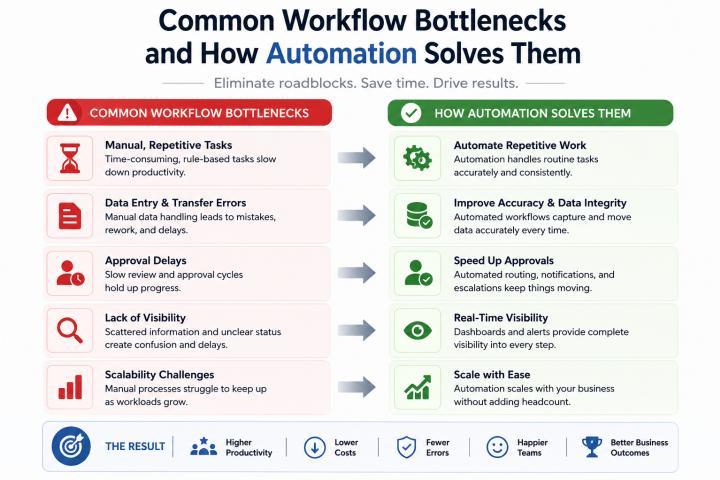
Operations management helps companies identify inefficient processes and find ways to improve them. By eliminating unnecessary steps, automating repetitive tasks, and allocating resources more effectively, businesses can accomplish more with the same resources.
2. Cost Reduction
Poorly managed operations can result in excessive inventory, production delays, wasted materials, and unnecessary labor costs. Effective operational planning helps organizations control these expenses without compromising quality.
3. Improved Quality
Quality management is another essential part of operations. Establishing clear processes and performance standards makes it easier to identify problems and ensure that products and services consistently meet customer expectations.
4. Better Customer Satisfaction
Customers expect companies to deliver reliable products and services on time. Strong operations management contributes to shorter delivery times, consistent quality, and faster responses to customer needs—all of which can strengthen customer loyalty.
5. Increased Flexibility
Markets can change rapidly. Companies that have efficient and adaptable operational processes are better positioned to respond to changes in customer preferences, supply chain disruptions, or new market opportunities.
Key Areas of Operations Management
Although the responsibilities of operations management vary between industries, several areas are particularly important.
Supply chain management involves coordinating suppliers, logistics, transportation, and the flow of materials and products. An effective supply chain can help a business maintain availability while keeping inventory and transportation costs under control.
Inventory management ensures that companies have the right amount of stock at the right time. Too much inventory can increase storage costs, while too little can lead to delays and lost sales.
Quality management focuses on maintaining consistent standards and identifying opportunities for improvement. Quality should not be treated as an isolated activity; it should be integrated into the entire operational process.
Capacity planning involves determining whether a company has sufficient resources to meet current and future demand. This may include workforce capacity, production equipment, technology, or physical facilities.
Process improvement focuses on continuously finding better ways to perform tasks and deliver value. Methodologies such as Lean Management and Six Sigma are widely used to reduce waste and improve operational performance.
The Role of Technology in Modern Operations
Technology has transformed the way businesses manage their operations. From enterprise resource planning (ERP) systems to artificial intelligence and data analytics, digital tools allow companies to make faster and more informed decisions.
Automation can reduce the time required for repetitive tasks, while real-time data can help managers monitor performance and identify problems before they become major issues.
For example, businesses can use analytics to forecast demand, optimize inventory levels, monitor supply chains, and identify operational bottlenecks. Artificial intelligence can further support decision-making by analyzing large volumes of data and identifying patterns that might otherwise be difficult to detect.
However, technology alone does not guarantee better operations. Companies must first understand their processes and objectives before selecting the tools that best support them.
Operations Management and Business Strategy
Operations management should not be viewed simply as a way to control day-to-day activities. It is closely connected to overall business strategy.
A company competing primarily on price needs highly efficient and cost-effective operations. A business focused on premium quality may instead prioritize quality control, skilled employees, and carefully managed production processes. A company competing through speed may invest heavily in logistics, automation, and flexible capacity.
In other words, operations should support the way a company intends to compete in the market.
Building a Culture of Continuous Improvement
Successful operations management is not about finding one perfect process and leaving it unchanged. Customer expectations, technology, regulations, and market conditions continue to evolve.
For this reason, businesses should develop a culture of continuous improvement. Employees at every level can contribute by identifying inefficiencies, suggesting improvements, and monitoring results.
Small improvements can have a significant cumulative impact. Over time, reducing a few minutes from a process, eliminating unnecessary waste, or improving communication between departments can translate into substantial savings and higher productivity.
Final Thoughts
Operations management is a fundamental component of successful businesses. By improving processes, managing resources effectively, maintaining quality, and embracing appropriate technology, companies can become more efficient, resilient, and competitive.
The most successful organizations understand that operational excellence is not simply about reducing costs. It is about creating reliable processes that consistently deliver value to customers while supporting sustainable business growth.
As markets become increasingly complex, companies that invest in strong operations management will be better prepared to adapt, innovate, and compete in the long term.