The cybersecurity landscape continues to evolve as organizations face increasingly sophisticated threats, stricter compliance requirements, and expanding digital infrastructures. As businesses invest more heavily in protecting their networks, the demand for highly skilled security professionals continues to grow.
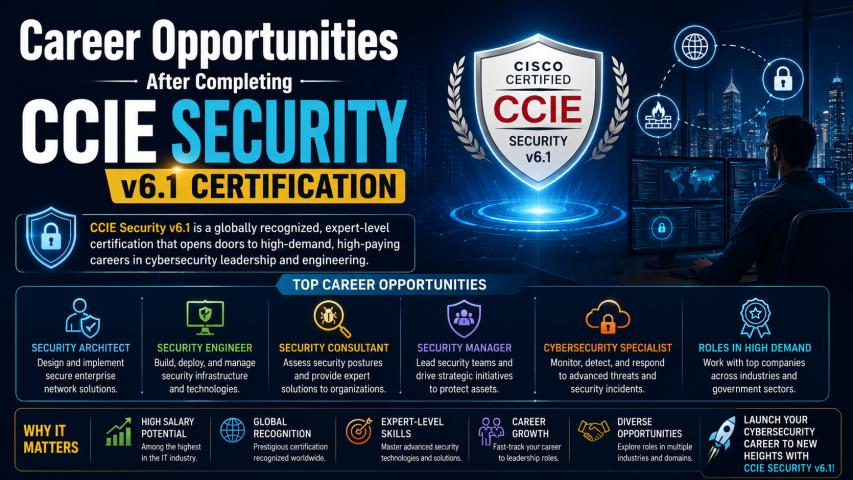
Among advanced networking certifications, CCIE Security remains one of the most respected credentials for validating enterprise security expertise. Employers in 2026 are seeking professionals who possess both technical knowledge and practical skills to secure modern network environments.
Why Advanced Security Skills Matter in 2026
Organizations today operate across hybrid environments that include on-premises data centers, cloud platforms, remote workforces, and connected devices. This complexity has increased the need for security professionals who can design, implement, and manage robust security architectures.
Companies are no longer looking solely for theoretical knowledge. They need experts who can identify risks, mitigate threats, and maintain secure network operations in real-world environments.
The Growing Demand for Enterprise Security Professionals
Cyber threats continue to affect organizations regardless of their size. From ransomware attacks to data breaches and insider threats, businesses require professionals capable of securing critical infrastructure.
As a result, employers increasingly value candidates who demonstrate advanced networking and security competencies through recognized certifications and hands-on experience.
Core CCIE Security Skills Employers Value
Network Security Architecture Design
One of the most sought-after skills is the ability to design secure enterprise network architectures.
Professionals should understand how to:
Develop layered security frameworks
Implement defense-in-depth strategies
Design secure network segmentation
Protect critical business assets
Reduce attack surfaces
Organizations need security engineers who can align network security with business requirements while maintaining performance and scalability.
Firewall Implementation and Management
Firewalls remain a critical component of enterprise security infrastructures.
Employers seek professionals who can:
Configure security policies
Manage access control rules
Monitor firewall performance
Troubleshoot connectivity issues
Optimize security enforcement
A strong understanding of firewall technologies helps organizations prevent unauthorized access while supporting legitimate business traffic.
Virtual Private Network (VPN) Expertise
Remote work and distributed business operations have increased the importance of secure connectivity.
Security professionals should be capable of:
Designing VPN solutions
Configuring site-to-site VPNs
Deploying remote access VPNs
Securing encrypted communications
Troubleshooting VPN-related issues
VPN expertise remains a valuable skill for organizations operating across multiple locations.
Identity and Access Control Skills
Identity-Based Security Management
Modern security strategies increasingly focus on user identities rather than network perimeters.
Employers look for professionals who can:
Implement identity-based policies
Manage authentication systems
Enforce authorization controls
Monitor user activity
Support least-privilege access models
Identity-centric security helps organizations reduce risks associated with unauthorized access.
Multi-Factor Authentication (MFA) Integration
MFA has become a standard security requirement across many industries.
Professionals should understand how to:
Deploy MFA solutions
Integrate authentication platforms
Strengthen user verification processes
Improve account security
The ability to implement strong authentication controls is highly valued in modern enterprises.
Threat Detection and Incident Response
Security Monitoring and Analysis
Organizations rely on proactive monitoring to identify threats before they cause significant damage.
Employers seek candidates who can:
Analyze security events
Investigate suspicious activities
Interpret log data
Monitor network traffic
Detect abnormal behavior
Strong analytical skills are essential for maintaining a secure environment.
Incident Response Capabilities
Responding effectively to security incidents is a critical responsibility.
Security professionals should be able to:
Identify security breaches
Contain threats quickly
Perform root-cause analysis
Coordinate recovery efforts
Document incident findings
Organizations value professionals who can minimize operational disruptions during security events.
Network Segmentation and Zero Trust Skills
Understanding Zero Trust Security Models
Zero Trust has become a leading security framework in enterprise environments.
Employers increasingly prioritize professionals who understand:
Continuous verification principles
User and device validation
Access control enforcement
Micro-segmentation strategies
Risk-based access decisions
Familiarity with Zero Trust principles indicates readiness to address modern cybersecurity threats.
Network Segmentation Expertise
Network segmentation helps organizations contain threats and limit unauthorized movement.
Key competencies include:
VLAN implementation
Security zone creation
Traffic isolation
Access policy enforcement
Segmentation design strategies
These skills contribute significantly to enterprise security resilience.
Cloud Security Knowledge
Securing Hybrid Environments
As cloud adoption continues to grow, employers seek professionals with hybrid security expertise.
Important skills include:
Cloud connectivity security
Secure remote access
Cloud workload protection
Hybrid architecture security
Risk assessment for cloud deployments
Organizations require security professionals capable of safeguarding assets across hybrid and multi-environment infrastructures.
Cloud Access Control Management
Effective cloud security requires strong access governance.
Professionals should understand:
Identity integration
Role-based access control
User provisioning
Security policy management
These capabilities help organizations maintain compliance and reduce security risks.
Security Automation and Programmability
Automating Security Operations
Automation is becoming increasingly important as organizations manage larger and more complex infrastructures.
Employers value professionals who can:
Automate routine tasks
Improve operational efficiency
Reduce manual errors
Accelerate threat response
Streamline policy deployment
Security automation supports faster and more consistent security operations.
Network Programmability Skills
Modern networks increasingly rely on programmable infrastructure.
Desired skills include:
API integration
Automation workflows
Infrastructure management
Configuration consistency
Operational optimization
These competencies enable organizations to scale security operations more effectively.
Risk Management and Compliance Awareness
Understanding Regulatory Requirements
Organizations are required to adhere to industry regulations and established security standards.
Security professionals should be familiar with:
Compliance frameworks
Security governance
Audit preparation
Risk assessment methodologies
Policy development
Compliance knowledge helps businesses avoid regulatory penalties and strengthen security practices.
Security Policy Development
Employers appreciate professionals who can contribute to security policy creation and enforcement.
This includes:
Developing security standards
Establishing access policies
Supporting governance initiatives
Maintaining documentation
Strong policy management contributes to long-term security success.
Soft Skills That Complement Technical Expertise
Communication Skills
Technical knowledge alone is not enough.
Employers seek professionals who can:
Explain security concepts clearly
Communicate with stakeholders
Collaborate across teams
Present recommendations effectively
Strong communication improves security decision-making throughout the organization.
Problem-Solving and Critical Thinking
Cybersecurity challenges often require rapid analysis and effective decision-making.
Professionals should demonstrate:
Analytical thinking
Troubleshooting abilities
Risk evaluation
Strategic planning
These competencies are crucial for handling advanced security problems.
Preparing for Future Security Roles
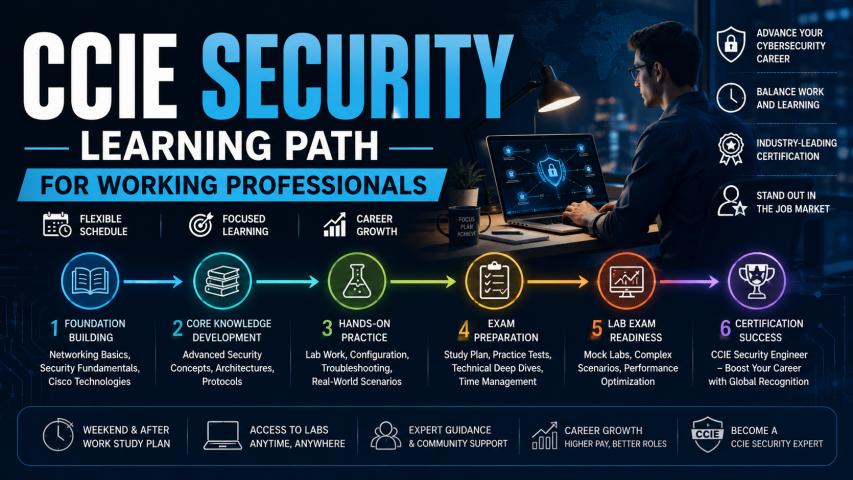
Technology continues to evolve, and security professionals must remain adaptable. Continuous learning, hands-on practice, and exposure to emerging technologies help professionals stay competitive in the job market.
Employers increasingly favor candidates who can combine networking expertise, security knowledge, automation capabilities, and business awareness. Building proficiency across these areas can improve career opportunities and readiness for advanced security roles.
Conclusion
The skills employers seek in 2026 extend beyond traditional network protection. Organizations need professionals who can design secure architectures, manage identity-based access controls, implement Zero Trust principles, automate security operations, and respond effectively to emerging threats.
As enterprise networks become more complex, the value of advanced certifications and practical expertise continues to increase. Professionals who develop the technical and operational competencies associated with CCIE Security are likely to remain highly competitive in the evolving cybersecurity landscape. The knowledge gained through CCIE Security preparation can help professionals meet the growing demands of modern enterprise security environments.