
Introduction to Advanced Enterprise Networking Expertise
Modern enterprises rely on highly complex, distributed, and software-driven network environments that span data centers, cloud platforms, branch offices, and remote users. As these infrastructures continue to expand, organizations require professionals who can design, deploy, and manage scalable and secure networking solutions.
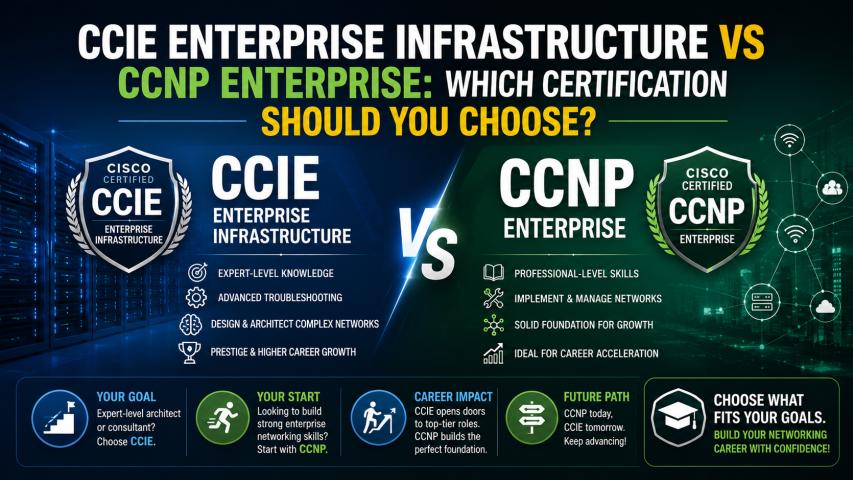
Within this evolving landscape, CCIE Enterprise Infrastructure is widely recognized as one of the most advanced certifications that validates deep expertise in enterprise networking technologies and real-world implementation skills.
Exploring the Value of CCIE Enterprise Infrastructure Certification
Why Advanced Networking Skills Are Essential Today
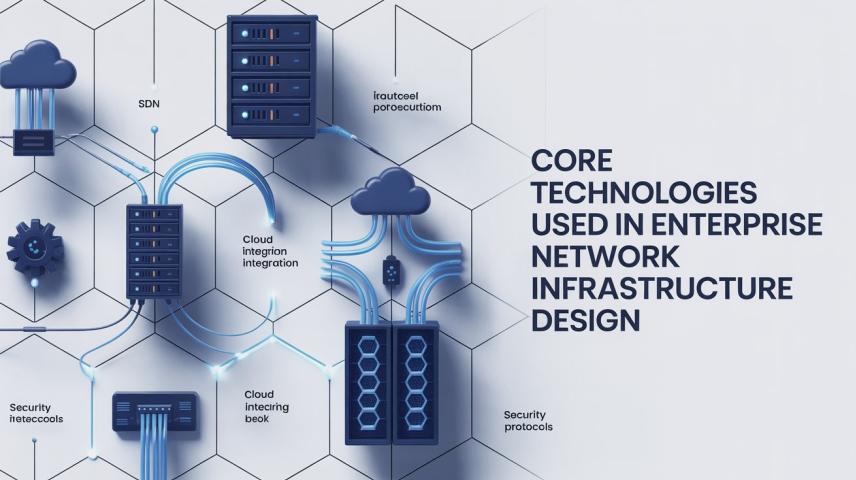
Enterprise networks today are no longer limited to traditional routing and switching environments. They now include cloud integration, automation, virtualization, and software-defined networking (SDN).
Key factors driving demand for advanced networking skills include:
Rapid cloud adoption across industries
Increasing network complexity and scale
Expansion of remote and hybrid work models
Higher dependency on application performance
Growing security and compliance requirements
Because of these challenges, organizations seek professionals who can manage end-to-end enterprise infrastructure efficiently.
Role of Certification in Skill Validation
Certifications play a crucial role in validating technical expertise in a standardized way. They help employers identify professionals who possess not only theoretical knowledge but also practical, hands-on experience.
CCIE Enterprise Infrastructure certification is designed to confirm a candidate’s ability to handle complex enterprise network scenarios, making it a benchmark for advanced networking proficiency.
Core Networking Domains Covered by CCIE Enterprise Infrastructure
Advanced Routing and Switching Concepts
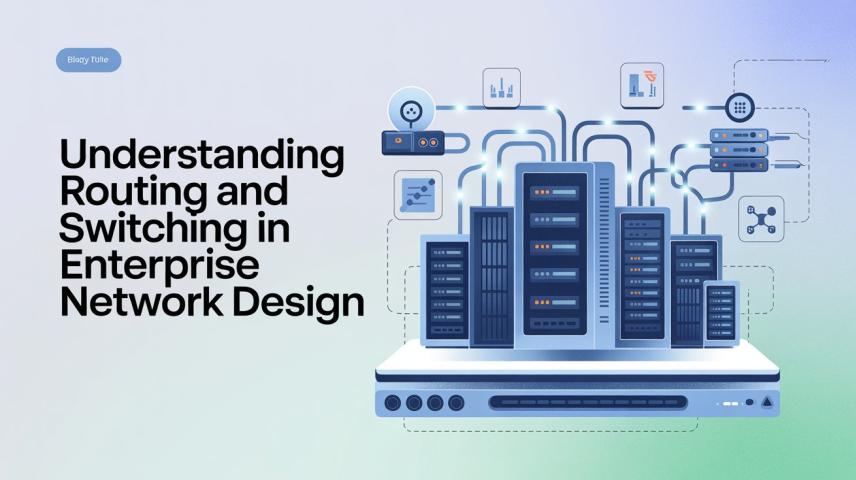
One of the foundational areas validated by this certification is advanced routing and switching.
Professionals are expected to demonstrate expertise in:
OSPF and BGP configuration and optimization
Route filtering and policy control
VLAN design and segmentation
Inter-VLAN routing strategies
High availability and redundancy protocols
They help maintain uninterrupted and efficient network data flow.
Enterprise Network Design Principles
Network design is a critical component of enterprise infrastructure planning.
Key competencies include:
Designing scalable network architectures
Implementing hierarchical network models
Ensuring fault tolerance and redundancy
Optimizing network performance and reliability
Professionals with these skills can align network design with business goals.
Infrastructure Services Integration
Modern enterprise environments rely on multiple integrated services.
This includes:
DHCP and DNS configuration
Network time synchronization
IP address management strategies
Service redundancy and failover mechanisms
They support consistent and reliable functioning of network systems.
Network Automation and Programmability Skills
Importance of Automation in Modern Networks
Automation has become a critical requirement in enterprise networking due to increasing complexity and scale.
Organizations expect professionals to:
Automate repetitive network tasks
Reduce configuration errors
Improve deployment speed
Maintain consistent network policies
Automation increases efficiency and reduces the need for manual intervention.
Programmability and API Integration
Network programmability is a key component of modern infrastructure management.
Professionals are expected to understand:
REST APIs for network devices
JSON and data modeling concepts
Python-based automation scripts
Infrastructure as Code (IaC) principles
These capabilities enable scalable and efficient network operations.
SD-WAN and Modern Enterprise Connectivity
Role of SD-WAN in Enterprise Networks
Software-Defined Wide Area Networking (SD-WAN) is a major focus area in modern enterprise networking.
Key advantages include:
Improved application performance
Centralized network management
Cost-effective WAN optimization
Enhanced security and segmentation
Professionals with SD-WAN expertise can manage distributed networks effectively.
Cloud-Connected Enterprise Architectures
Enterprise networks are increasingly integrated with cloud environments.
Skills include:
Cloud connectivity design
Secure interconnection between sites and cloud platforms
Traffic optimization for cloud applications
Hybrid network management strategies
This ensures seamless user experience across environments.
Network Security Integration in Enterprise Infrastructure
Built-in Security in Network Design
Security is no longer a separate function but an integrated part of network design.
Key practices include:
Secure routing configurations
Access control implementation
Network segmentation strategies
Threat mitigation techniques
These ensure protection against internal and external threats.
Identity and Policy-Based Access Control
Identity-based policies play a critical role in modern enterprise networks.
Professionals must understand:
Role-based access control mechanisms
Policy enforcement strategies
User authentication integration
Secure access provisioning
This strengthens overall network security posture.
Troubleshooting and Operational Excellence
Diagnosing Complex Network Issues
One of the most important skills validated by CCIE Enterprise Infrastructure is advanced troubleshooting.
Professionals are expected to:
Identify root causes of network failures
Analyze routing and switching issues
Resolve connectivity problems efficiently
Use diagnostic tools effectively
These skills ensure minimal downtime and improved reliability.
Maintaining High Network Availability
Enterprise networks require continuous uptime and reliability.
Key strategies include:
Redundant network design
Failover mechanisms
Load balancing techniques
Performance monitoring
High availability is critical for business continuity.
Real-World Enterprise Network Scenarios
Multi-Site Enterprise Connectivity
Organizations often operate across multiple geographical locations.
Professionals must be capable of:
Designing inter-site connectivity
Managing WAN optimization
Ensuring consistent policy enforcement
Maintaining performance across branches
This ensures seamless communication across distributed environments.
Hybrid Infrastructure Management
Most enterprises operate hybrid infrastructures combining on-premises and cloud systems.
Skills include:
Unified network management
Secure cloud integration
Cross-platform connectivity
Centralized monitoring systems
These abilities are crucial in today’s IT landscape.
Career Impact of CCIE Enterprise Infrastructure Certification
Advanced Job Roles in Networking
Professionals with this certification are qualified for senior-level roles such as:
Network Architect
Enterprise Infrastructure Engineer
Senior Network Consultant
Network Operations Lead
Solutions Architect
These roles involve high responsibility and strategic decision-making.
Industry Demand and Career Growth
Organizations across industries continue to invest in advanced networking talent.
Key trends include:
Increased demand for senior network engineers
Higher salary potential for certified professionals
Expansion of enterprise IT infrastructure teams
Global opportunities in networking roles
This makes the certification highly valuable for long-term career development.
Skills That Differentiate Certified Professionals
Deep Technical Expertise
CCIE Enterprise Infrastructure professionals are known for their:
Advanced troubleshooting abilities
Strong network design skills
Hands-on implementation experience
Real-world problem-solving capabilities
These skills differentiate them from entry and mid-level professionals.
Strategic Thinking and Planning
Beyond technical expertise, professionals also develop strategic capabilities such as:
Aligning network design with business objectives
Planning scalable infrastructure growth
Evaluating technology investments
Optimizing network performance for business outcomes
This makes them valuable contributors to enterprise IT strategy.
Conclusion
The increasing complexity of modern enterprise networks has made advanced networking expertise a critical requirement for organizations worldwide. Certifications like CCIE Enterprise Infrastructure play a vital role in validating deep technical knowledge, hands-on skills, and real-world problem-solving abilities in enterprise networking environments.
Professionals who achieve CCIE Enterprise Infrastructure certification demonstrate strong capability in routing, switching, automation, SD-WAN, security integration, and network design. This makes them highly valuable in today’s competitive IT industry and positions them for long-term career growth in advanced networking roles.