Across Canada, cattle ranching remains a cornerstone of rural life, from the foothills of Alberta to the open grasslands of Saskatchewan and Manitoba. Producers who manage herds through long winters and short, intense working seasons depend on equipment that is strong, predictable, and quick to reconfigure. A well designed set of livestock corral panels sits at the centre of this work, shaping the safe movement of animals during sorting, loading, vaccination, and weaning.
Understanding the System
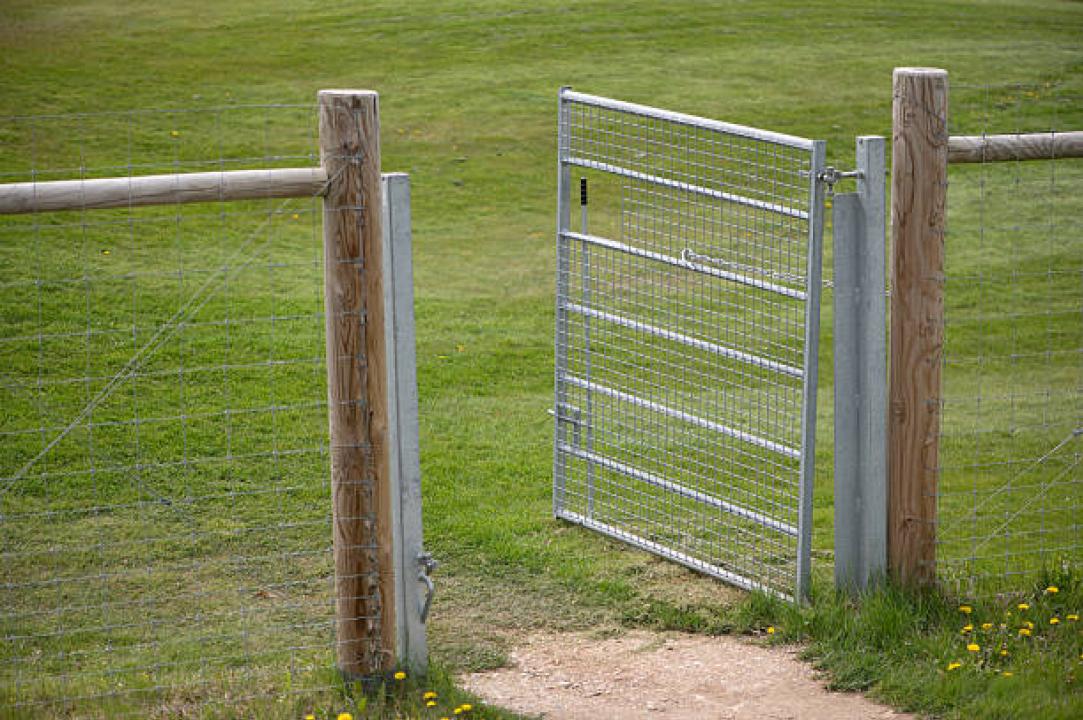
A corral system is built from individual panels that connect to form a continuous enclosure. Each panel is a steel frame filled with horizontal rails or welded mesh, joined to the next by pins or loops so that a pen of almost any shape can be assembled on site. Mesh infill is preferred where smaller or younger animals are handled, because it removes the gaps through which a calf might push a leg or head. Gates are integrated at planned points to let handlers and animals pass without dismantling the line.
Animal Behaviour and Safety
The value of a corral lies in how it works with animal instinct rather than against it. Cattle move more calmly along solid, continuous boundaries and tend to follow curves toward an exit they can see. A panel line that presents a uniform visual barrier reduces baulking, turning back, and the sudden surges that injure both animals and handlers. Rounded edges, smooth joints, and the absence of protruding bolts matter as much as raw strength, because a quiet animal is a safe animal. Handlers should always plan an escape route and never position themselves where a startled animal could pin them against a fixed rail.
Materials and Durability
Corral equipment lives outdoors in demanding conditions. Galvanising protects the steel from rain, snow, and the freeze and thaw cycles that define the Canadian climate, extending service life far beyond that of untreated metal. The weight of a panel is a deliberate balance: heavy enough to resist a leaning animal, yet light enough for one or two people to lift and reposition. Joints must tolerate repeated assembly without loosening, since a corral is often moved between pastures across a single season.
Configuration, Gates, and Accessories
Flexibility is the practical strength of a panel system. The same units that form a holding pen in spring can be rearranged into a sorting alley at shipping time. Gates allow controlled one way movement, while adjoining panels can funnel animals toward a chute or loading ramp. On many operations a small change in layout, such as adding a curved approach to a gate, noticeably improves flow and lowers stress on the herd. Connecting pins, anchor stakes, and adjustable couplers extend the system further and let producers adapt to uneven ground.
Strengths and Limitations
The strengths of portable corral panels are clear: they are durable, reusable, quick to deploy, and adaptable to changing needs. Their limitations deserve equal attention. A portable line is not a permanent structure and benefits from anchoring when it must contain large or excitable animals. Steel panels carry real weight, so handling and storage call for planning, and damaged units should be repaired rather than pressed into service.
Conclusion and Future Outlook
Livestock corral panels and gates translate sound handling principles into practical, everyday tools that protect both animals and people. As welfare standards rise and labour becomes scarcer on Canadian farms, demand for modular, low stress handling equipment will continue to grow. Producers who invest in well made, properly maintained equipment from an established industrial equipment supplier position their operations to work more safely and efficiently for many seasons to come.