Most people don't consider what happens to a battery once it can no longer hold a charge. Substituted with a smartphone. An old laptop is put into storage. Power tool batteries get left in the garage for months and then get thrown away.
The trouble is lithium-ion batteries don’t just disappear when they’re done being useful. They include precious materials which can often be recovered and utilized. Otherwise, incorrect disposal can create environmental and safety hazards that extend far beyond a single residence or business.
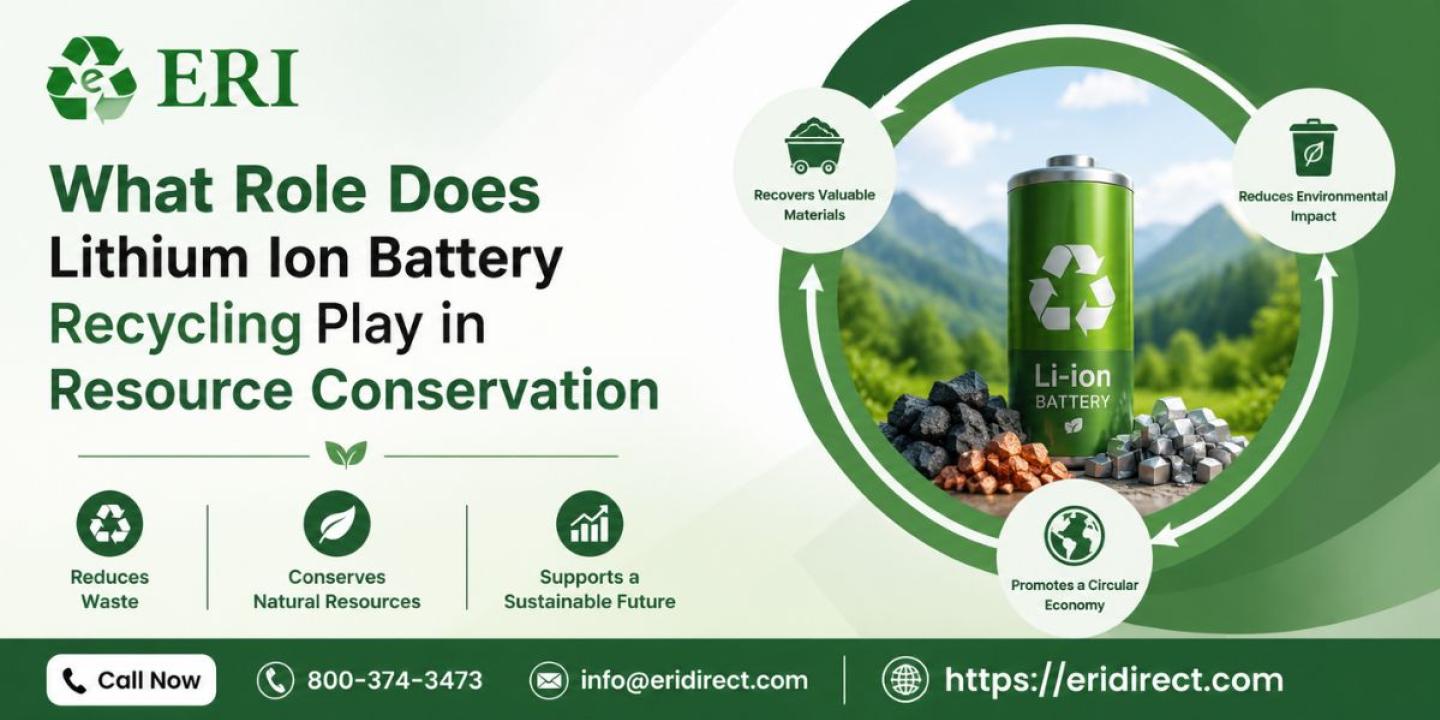
That's one reason lithium ion battery recycling has become more essential in recent years. As demand for rechargeable batteries grows. Recycling is a vital part of conserving resources and minimizing the need to extract new raw materials.
Why Lithium-Ion Batteries Matter So Much Today
Rechargeable batteries power a large part of modern life.
They're found in:
- Smartphones
- Laptops
- Tablets
- Electric vehicles
- Power tools
- Medical equipment
- Energy storage systems
The growth of the number of batteries reaching the end of their useful life is increasing with the development of technology.
Each household can only change a few batteries a year. But millions of batteries across the country need to be handled and disposed of properly.
Valuable Materials Are Inside Every Battery
Few people realize how many resources are in a lithium ion battery to be reused.
Depending on battery type, materials may include:
- Lithium
- Cobalt
- Nickel
- Copper
- Aluminum
These materials demand large amounts of resources to extract and treat. Recycling them helps to cut down on the demand for new raw materials taken from the earth.
Demand Continues to Increase
The demand for batteries is increasing every year. Because of electric vehicles, renewable energy systems and portable electronics.
With consumption on the rise. Conserving resources is becoming more crucial for long term sustainability.
Environmental Benefits Extend Beyond Resource Recovery
Resource conservation is only part of the story.
Proper battery recycling also helps with environmental concerns with disposal .
Keeping Batteries Out of Landfills
When batteries are thrown into landfills we lose precious resources.
In some circumstances, faulty batteries can potentially pose safety issues. Using the right recycling channels ensures. That items are processed according to accepted environmental and safety rules.
Supporting Broader Sustainability Efforts
Many organizations now have battery recycling initiatives as part of a bigger environmental program.
Besides ewaste recycling activities, battery recovery schemes allow businesses and consumers to dispose of electronic waste in a more environmentally friendly way.
These efforts contribute to waste reduction while promoting more efficient material use.
The Growing Importance of Specialized Recycling Services
Not all recycling programs are equipped to handle lithium-ion batteries.
Due to their chemical nature, these batteries require particular collection, shipping and processing techniques.
Why Professional Handling Matters
Improper storage or damage to batteries can lead to safety issues.
Many companies use professional lithium ion battery recycling services to ensure that batteries are gathered and processed correctly.
Supporting Businesses and Institutions
Partnering with experienced lithium ion battery recycling services providers can help organizations to efficiently dispose of batteries. While supporting sustainability goals.
Battery Recycling as Part of a Larger E-Waste Strategy
Battery recycling rarely happens in isolation.
Many organizations combine battery disposal programs with broader electronics recycling efforts.
E-Waste Continues to Grow
More and more electronic trash is generated every year in the form of old computers, printers, displays, phones, and networking equipment.
Recycling programs for electronic waste recapture usable resources and prevent landfill discharge.
In many such programs, battery recycling is a major component.
Other Electronics Can Be Recycled Too
Many people are shocked at what products can be included in recycling programs.
Stereo recycling and other specific electronics recycling services may include audio equipment, speakers and obsolete entertainment systems.
All of these schemes have one thing in common: To keep reused materials circulating as long as feasible.
FAQs
What are lithium ion battery recycling services?
Used lithium-ion batteries are collected, transported, processed and the materials recovered through the lithium ion battery recycling services, following the proper safety and environmental regulations.
How does battery recycling support ewaste recycling efforts?
Battery recycling is an important addition to ewaste recycling programs. As batteries and electronic devices contain valuable components. That can be recovered and re-used, reducing waste and improving resource efficiency.
Conclusions
With the continuous advancement of technology, the application of lithium-ion batteries would definitely increase. This means that careful management of end-of-life is of increasing importance.
Lithium ion battery recycling means that valuable materials can be recovered and re-used and fed back into the manufacturing cycle, rather than lost as waste. These efforts, together with larger programs such as e-waste recycling, battery recycling and audio recycling, assist encourage resource conservation and a more sustainable approach to managing electronic goods.