If you've been told you have a bite problem or jaw misalignment, you may have heard two treatment options—orthodontics and jaw surgery. Naturally, one question comes to mind:
"Which one do I actually need?"
The truth is that both treatments can improve your smile and oral function, but they work in very different ways. While braces or clear aligners move your teeth into better positions, jaw surgery corrects the position of the jawbones themselves.
Understanding this difference is important because choosing the right treatment can improve not only your smile but also your ability to chew, speak, and breathe comfortably.
If you're exploring options for jaw surgery in India, this guide will help you understand how it differs from orthodontic treatment and when each approach may be recommended.
What Is Orthodontic Treatment?
Orthodontics focuses on correcting the alignment of teeth.
Treatment usually involves:
- Braces
- Clear aligners
- Retainers
The primary goal is to move teeth into proper positions for better function and appearance.
Orthodontic treatment is highly effective for correcting:
- Crowded teeth
- Gaps between teeth
- Mild bite problems
- Crooked teeth
However, orthodontics cannot reposition the jawbones.
What Is Jaw Surgery?
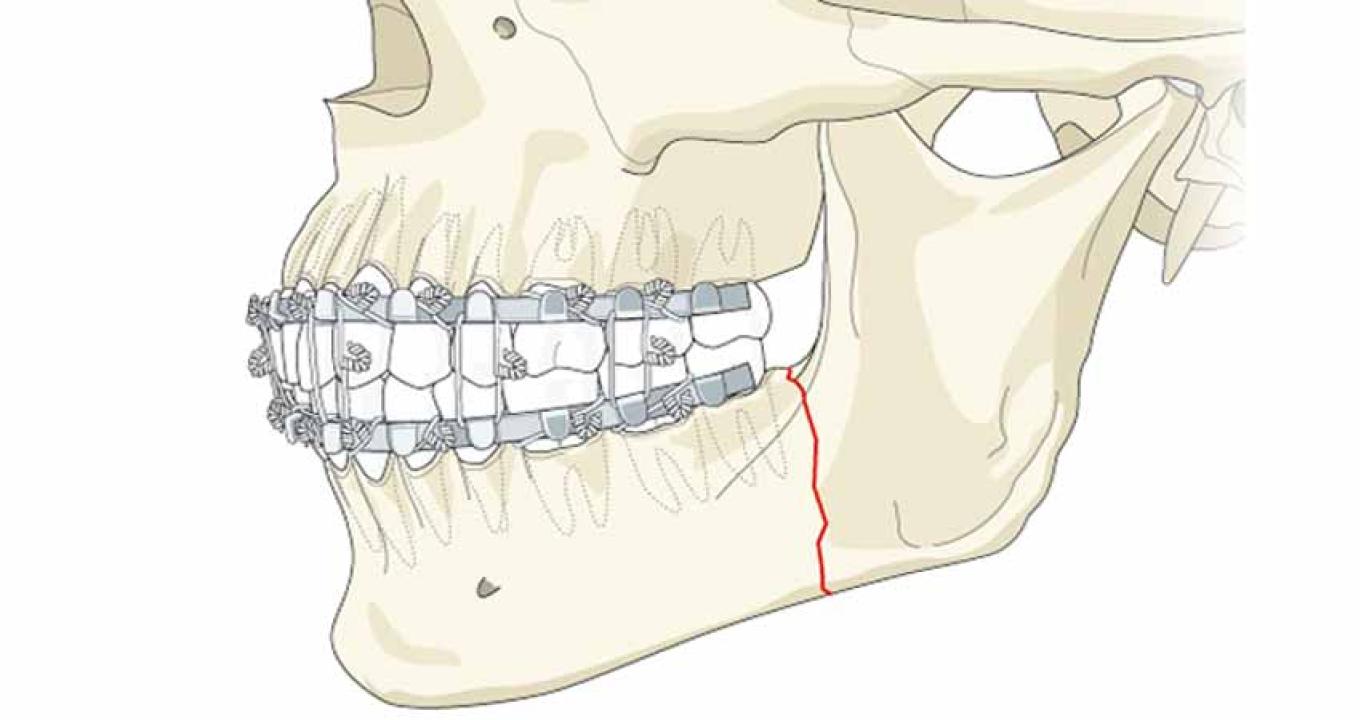
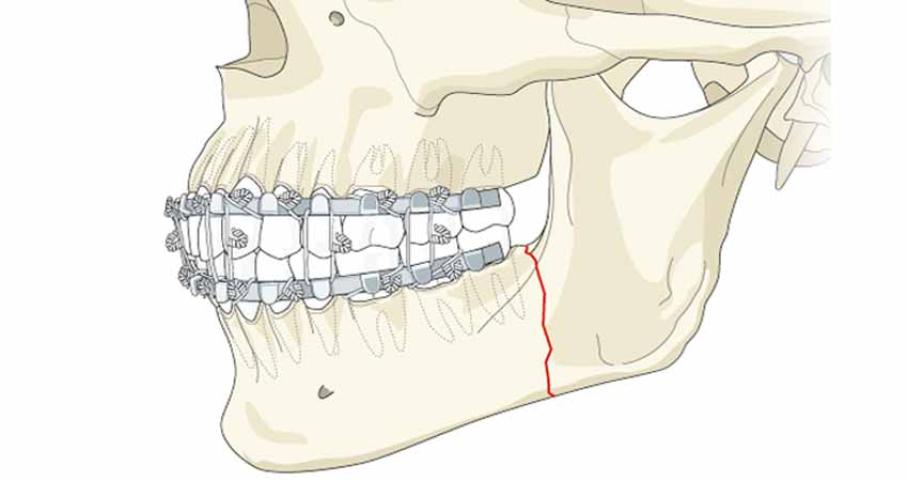
Jaw surgery, also known as orthognathic surgery, is performed to correct the position of the upper jaw, lower jaw, or both.
Unlike braces, this procedure addresses skeletal problems rather than simply moving teeth.
Many patients considering jaw surgery in India have conditions that cannot be corrected through orthodontics alone.
The procedure helps improve:
- Jaw alignment
- Facial balance
- Chewing efficiency
- Speech
- Breathing
The Main Difference Between Jaw Surgery and Orthodontics
The biggest difference is simple.
Orthodontics Moves Teeth
Braces and aligners gradually reposition teeth within the jawbone.
Jaw Surgery Repositions the Jaw
Jaw surgery changes the position of the jawbones themselves to create better facial harmony and function.
Sometimes both treatments are used together for the best outcome.
When Is Orthodontics Enough?
Many people only need orthodontic treatment.
It is usually recommended when problems involve:
Crooked Teeth
Braces effectively straighten misaligned teeth.
Minor Bite Issues
Small overbites, underbites, or crossbites can often be corrected without surgery.
Spacing Problems
Gaps between teeth respond well to orthodontic treatment.
Mild Alignment Concerns
When the jawbones are positioned normally, braces alone are often sufficient.
When Is Jaw Surgery Needed?
There are situations where moving the teeth alone cannot solve the problem.
Jaw surgery may be recommended for:
Severe Overbite
When the upper and lower jaws do not fit together properly.
Underbite
When the lower jaw extends beyond the upper jaw.
Open Bite
When the upper and lower front teeth do not touch while biting.
Facial Asymmetry
Jaw surgery helps improve noticeable facial imbalance caused by skeletal differences.
Difficulty Chewing
Poor jaw alignment may make eating uncomfortable or inefficient.
Speech Problems
Some jaw conditions affect pronunciation and speech clarity.
Breathing Difficulties
Jaw position can sometimes contribute to airway problems or sleep-related breathing disorders.
These are common reasons patients seek jaw surgery in India.
Can Braces Replace Jaw Surgery?
This is a common misconception.
The answer is no—not in severe skeletal cases.
Braces can straighten teeth, but they cannot reposition jawbones.
Trying to correct significant jaw problems using orthodontics alone may lead to less stable or less satisfactory results.
Do Jaw Surgery and Braces Work Together?
Yes.
In many cases, they complement each other.
Treatment often follows this sequence:
Step 1: Orthodontic Preparation
Braces align the teeth before surgery.
Step 2: Jaw Surgery
The jawbones are repositioned into proper alignment.
Step 3: Final Orthodontic Adjustments
Braces fine-tune the bite after surgery.
This combined approach provides the best functional and cosmetic outcome for many patients.
Benefits of Orthodontic Treatment
Orthodontics offers several advantages.
These include:
- Straighter teeth
- Improved oral hygiene
- Better bite
- Enhanced smile
- Easier cleaning
- Improved confidence
For patients without skeletal problems, orthodontics alone often produces excellent results.
Benefits of Jaw Surgery
Patients who undergo jaw surgery in India often experience improvements that extend beyond appearance.
Benefits include:
Better Bite Function
The teeth fit together more naturally.
Improved Chewing
Patients can chew more comfortably and efficiently.
Enhanced Facial Balance
Jaw repositioning often creates a more symmetrical facial appearance.
Better Speech
Correct jaw alignment may improve speech in some individuals.
Improved Breathing
Certain jaw corrections can help improve airway function.
Recovery Differences
Orthodontic treatment requires regular adjustments over several months or years.
Recovery is generally minimal.
Jaw surgery, however, involves a surgical recovery period.
Patients usually experience:
- Swelling
- Temporary discomfort
- Dietary changes
- Gradual healing
Although recovery requires patience, the long-term benefits are often significant.
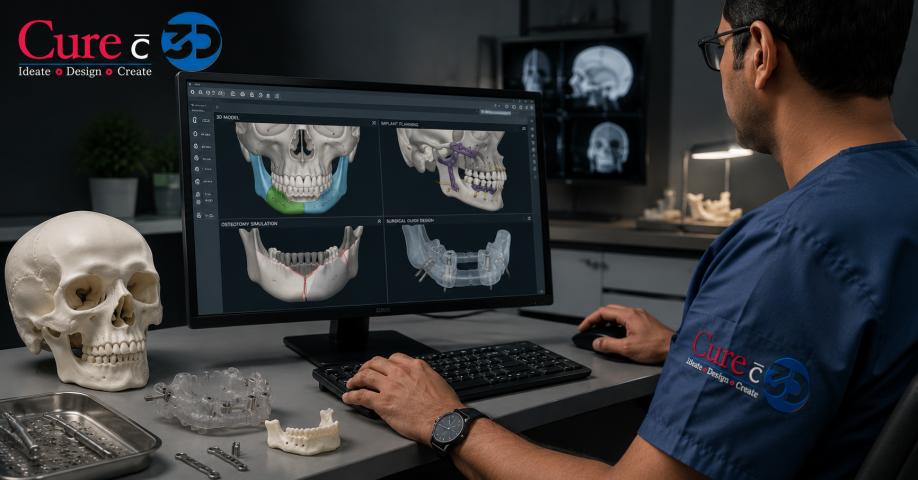
How Is the Right Treatment Chosen?
Your treatment depends on several factors.
Your specialist evaluates:
- Bite alignment
- Jaw position
- Facial structure
- X-rays
- Digital scans
- Overall oral health
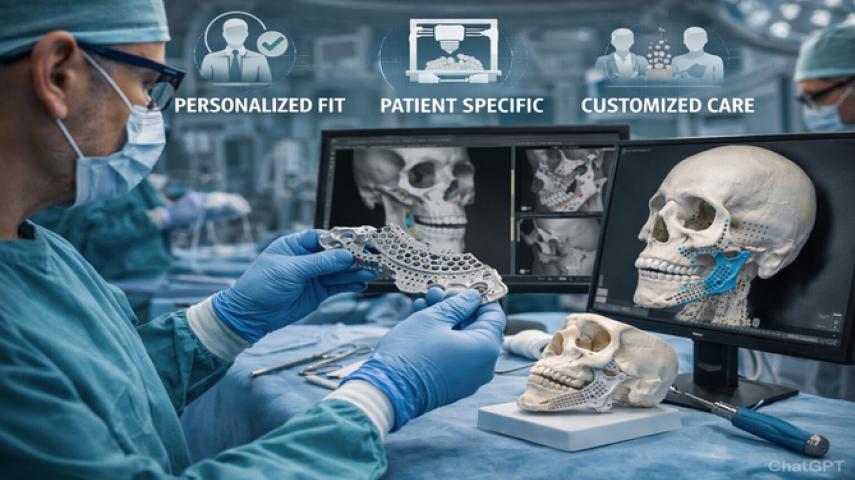
A personalized treatment plan helps determine whether orthodontics, jaw surgery, or both are appropriate.
Common Myths
Jaw Surgery Is Only Cosmetic
False.
Many patients undergo surgery to improve chewing, breathing, and jaw function.
Braces Can Fix Every Bite Problem
Not true.
Severe skeletal issues usually require surgical correction.
Jaw Surgery Is Only for Adults
Although often performed after jaw growth is complete, the appropriate timing depends on individual evaluation.
Final Thoughts
Both orthodontics and jaw surgery play important roles in correcting bite problems, but they address different concerns.
Orthodontics focuses on moving teeth, while jaw surgery in India corrects the position of the jawbones to improve function and facial balance.
The right treatment depends on your specific condition, oral health, and treatment goals.
A detailed evaluation by an experienced specialist is the best way to determine which option is most suitable for you.
Take the First Step Toward Better Jaw Health
If you're considering jaw surgery in India or want to know whether orthodontics or surgery is the right option, consult Dr. Anurag Bhargava. With advanced diagnostic techniques, personalized treatment planning, and extensive surgical expertise, Dr. Anurag Bhargava provides comprehensive care to improve jaw function, facial harmony, and overall quality of life.