Introduction
In today’s rapidly evolving medical landscape, precision and predictability are critical to successful surgical outcomes. Traditional approaches to surgery often relied heavily on the surgeon’s experience, two-dimensional imaging, and intraoperative decision-making. However, with the rise of digital technologies, virtual surgical planning has emerged as a transformative solution that allows surgeons to plan procedures with exceptional accuracy before entering the operating room.
Effective planning is the foundation of any successful surgical procedure. Whether it involves orthopedic reconstruction, maxillofacial correction, or complex tumor removal, pre-surgical planning ensures that surgeons can anticipate challenges, minimize risks, and achieve optimal results. By integrating advanced imaging, 3D modeling, and simulation tools, virtual surgical planning is redefining how modern surgeries are performed.
What Is Virtual Surgical Planning?
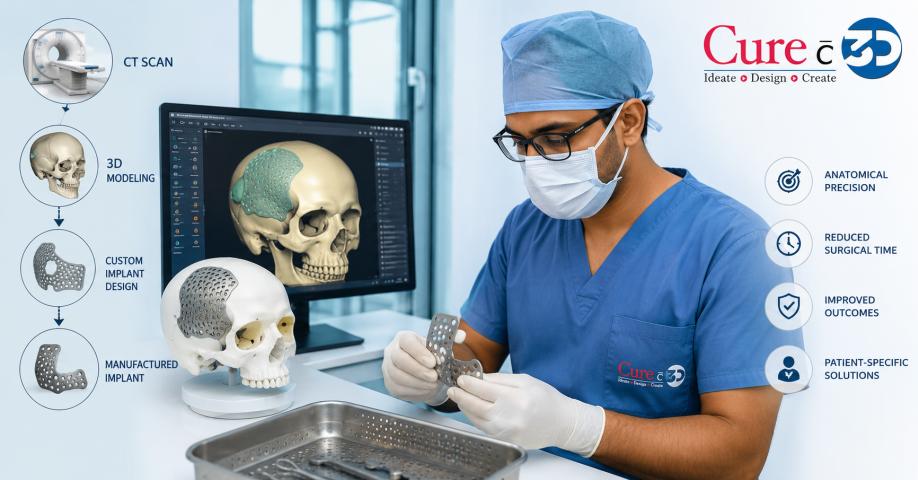
Virtual surgical planning is a digital process that uses advanced imaging data, such as CT or MRI scans, to create accurate 3D representations of a patient’s anatomy. These models allow surgeons to simulate surgical procedures in a virtual environment before the actual operation takes place.
Using specialized software, surgeons can analyze anatomical structures, identify potential complications, and determine the most effective surgical approach. This planning process often includes:
- Creating detailed 3D anatomical models
- Simulating surgical steps and techniques
- Designing custom surgical guides or implants
- Predicting post-operative outcomes
By visualizing the procedure in advance, virtual surgical planning enhances surgical precision and reduces uncertainty during the actual operation.
Importance of Pre-Surgical Planning in Modern Medicine
In modern healthcare, pre-surgical planning has become an essential component of safe and effective treatment. Traditional planning methods relied on X-rays, manual measurements, and surgeon expertise. While effective to some extent, these methods often lacked the depth and accuracy required for complex cases.
With virtual surgical planning, pre-surgical planning has become more data-driven and patient-specific. Surgeons can now evaluate anatomical variations in detail, plan incisions more accurately, and determine the optimal placement of implants or corrective adjustments.
Key Advantages of Pre-Surgical Planning
- Enhanced accuracy: Detailed visualization improves surgical precision
- Risk reduction: Potential complications can be identified and mitigated in advance
- Better communication: Surgeons can explain procedures more clearly to patients and medical teams
- Improved efficiency: Reduced intraoperative decision-making leads to shorter surgery times
These benefits make pre-surgical planning a critical step in modern surgical workflows.
Role of Orthognathic Surgery Planning and 3D Technologies
Orthognathic Surgery Planning in Jaw Correction
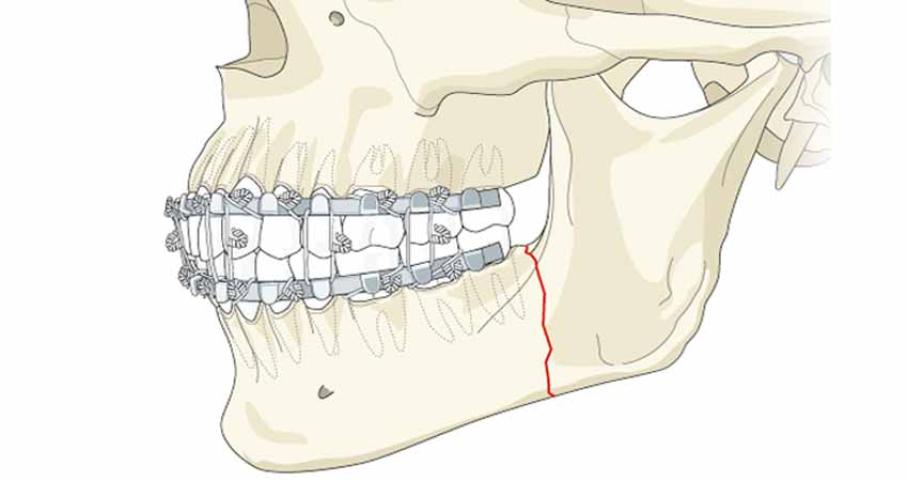
Orthognathic surgery planning is a specialized application of virtual surgical planning used to correct jaw deformities and misalignments. These conditions can affect both function and aesthetics, leading to difficulties in chewing, speaking, and breathing.
In traditional orthognathic surgery, planning was based on physical models and manual measurements. However, digital tools now allow surgeons to perform precise simulations of jaw movements and predict outcomes more accurately.
Advancements in 3D Orthognathic Surgery Planning
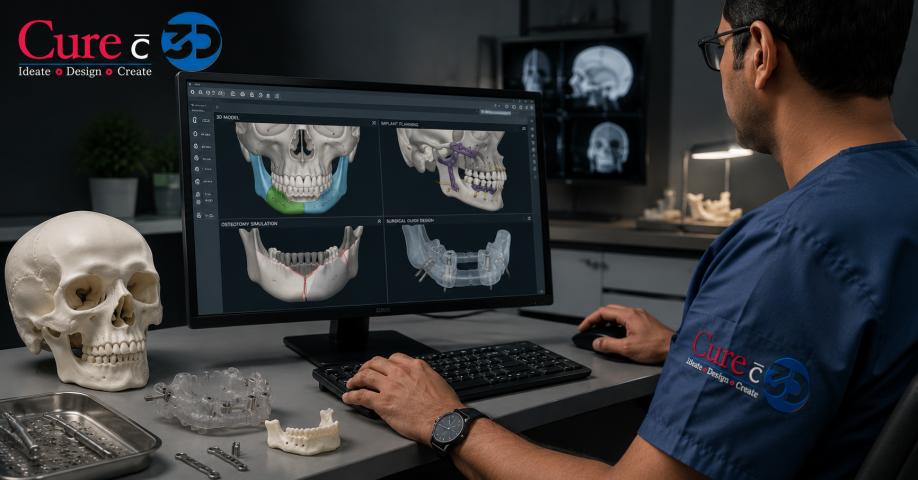
3D orthognathic surgery planning takes this process a step further by using three-dimensional imaging and modeling to create highly detailed representations of the patient’s craniofacial structure. This enables:
- Accurate assessment of skeletal relationships
- Precise repositioning of jaw segments
- Prediction of facial symmetry and aesthetic outcomes
- Integration with custom surgical guides and splints
These advancements significantly improve the predictability and success of orthognathic procedures.
Applications of Virtual Surgical Planning in Healthcare
Virtual surgical planning is widely used across various medical specialties, particularly in procedures that require high precision.
Orthopedic Surgery
In orthopedics, virtual planning helps surgeons design implant placement, align bones, and simulate fracture fixation. It is especially useful in joint replacement, deformity correction, and trauma cases.
Maxillofacial and Craniofacial Surgery
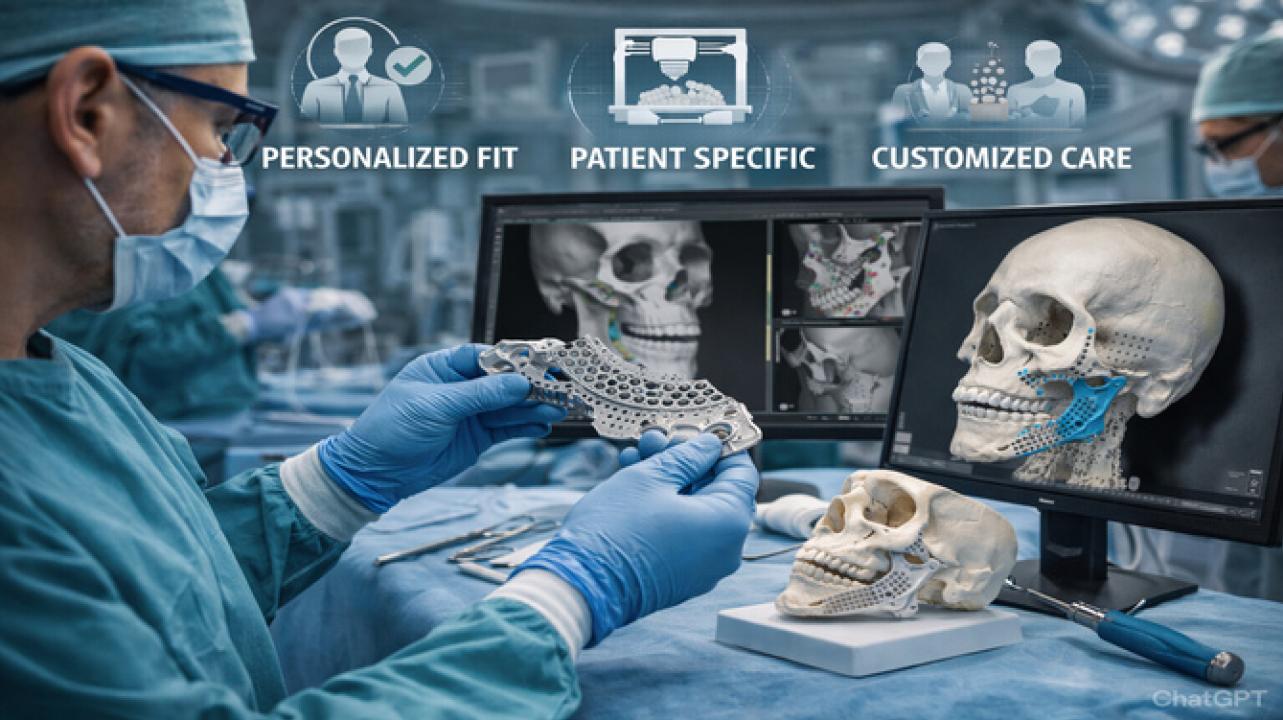
Virtual surgical planning plays a crucial role in reconstructive procedures involving the face and skull. Surgeons can accurately plan bone cuts, reposition structures, and design patient-specific implants or guides.
Oncology and Complex Surgeries
In tumor resection and reconstructive surgeries, virtual planning allows surgeons to map tumor boundaries and plan safe removal while preserving healthy tissue. This is particularly important in delicate anatomical regions.
Benefits of Virtual Surgical Planning Over Traditional Methods
The transition from conventional planning methods to virtual surgical planning has brought numerous advantages that enhance both surgical performance and patient outcomes.
Improved Precision and Accuracy
Virtual models provide a highly accurate representation of patient anatomy, allowing surgeons to perform procedures with greater confidence and precision.
Predictability of Outcomes
By simulating surgical steps in advance, surgeons can predict the results of the procedure more reliably. This reduces uncertainty and improves overall success rates.
Reduced Surgical Risks
Potential complications can be identified during the planning phase, allowing for proactive strategies to minimize risks during surgery.
Shorter Operation Time
With a well-defined surgical plan, procedures can be performed more efficiently, reducing time spent in the operating room and minimizing patient exposure to anesthesia.
Enhanced Patient Outcomes
Better planning leads to improved functional and aesthetic results, faster recovery, and higher patient satisfaction.
Future of Digital and AI-Driven Surgical Planning
The future of virtual surgical planning lies in the integration of artificial intelligence, machine learning, and advanced data analytics. These technologies are expected to further enhance the capabilities of digital planning systems.
AI-Assisted Planning
Artificial intelligence can analyze large datasets to provide insights into optimal surgical approaches, predict complications, and recommend personalized treatment plans.
Automation and Real-Time Simulation
Future systems may offer real-time surgical simulations and automated planning tools, reducing the time required for preoperative preparation.
Integration with 3D Printing
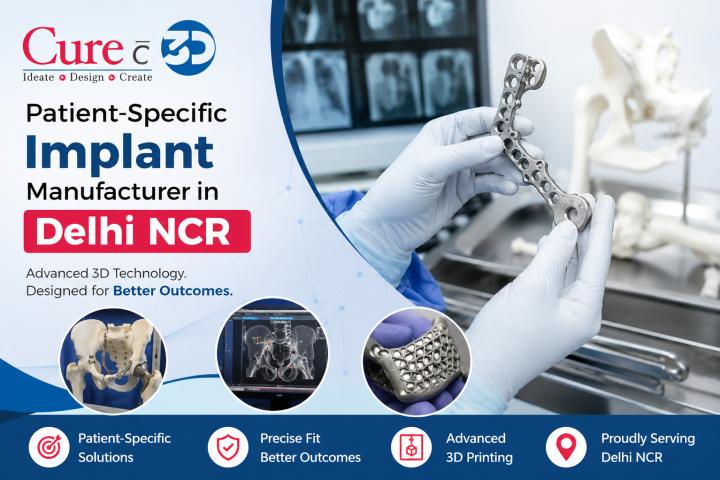
Virtual plans can be translated into physical surgical guides or implants using 3D printing technology, bridging the gap between digital design and surgical execution.
Personalized Healthcare
As technology advances, surgical planning will become increasingly personalized, ensuring that each patient receives treatment tailored to their unique anatomy and condition.
Conclusion
Virtual surgical planning has become a cornerstone of modern surgical practice, transforming how procedures are planned and executed. By leveraging advanced imaging, 3D modeling, and simulation tools, surgeons can achieve greater precision, predictability, and safety in a wide range of medical procedures.
From improving pre-surgical planning workflows to enabling advanced techniques like orthognathic surgery planning and 3D orthognathic surgery planning, this technology is redefining standards in healthcare. It not only enhances surgical outcomes but also contributes to reduced risks, shorter operation times, and improved patient satisfaction.
As digital healthcare continues to evolve, virtual surgical planning will play an increasingly important role in delivering personalized and effective treatment solutions. Organizations like Curewith3D are contributing to this advancement by providing innovative digital planning and 3D-based surgical solutions, helping healthcare professionals achieve better clinical outcomes through precision-driven approaches.