Every founder building a web product eventually hits the same wall: which language should the backend run on? The answer shapes your hiring pool, your development speed, and how easily your product scales once real users show up. Two names come up more than any other in this conversation: PHP and Python.
Why the Tech Stack Decision Isn’t Just a Developer’s Problem
Founders often leave this call entirely to their engineering team, and that’s a mistake. The language you pick affects your budget, your timeline, and how fast you can hire when it’s time to grow the team. A backend built on the wrong language for your use case doesn’t fail immediately. It fails quietly, six months in, when adding a simple feature suddenly takes three times longer than it should.
That’s why it helps to understand the basic character of each language before your team writes a single line of code.
What Makes PHP Different
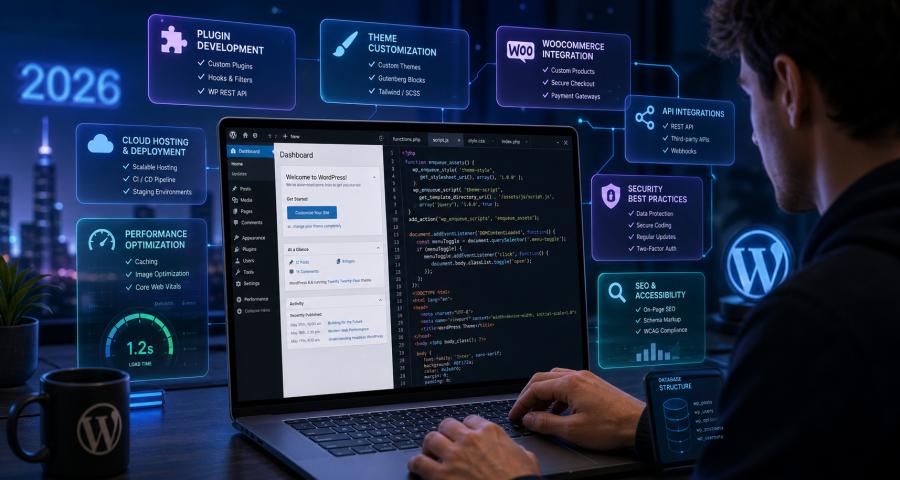
PHP has been powering the web since the 1990s, and it’s not going anywhere. It runs a huge share of the internet, largely because WordPress, Laravel, and countless other frameworks are built on top of it.
PHP also has one of the largest hiring pools in the world. Finding a mid-level PHP developer is rarely a bottleneck, and hosting costs tend to be lower because so much shared infrastructure is built around it.
What Makes Python Different
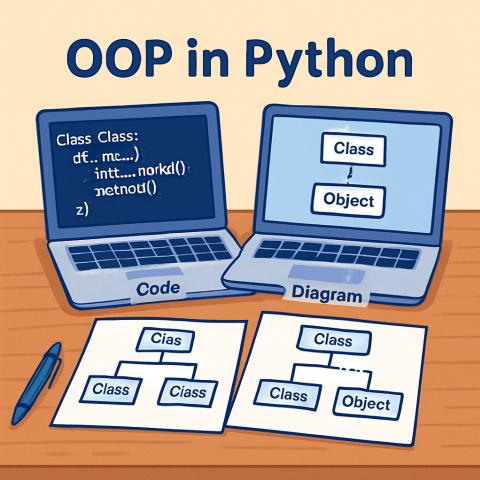
Python took a different path. It reads closer to plain English, which makes onboarding new developers faster and keeps codebases easier to maintain as they grow. Frameworks like Django and Flask handle a lot of the heavy lifting for web apps, but Python’s real strength shows up outside pure web development, in data science, machine learning, and automation.
If your roadmap includes AI features, data pipelines, or anything that needs to scale computationally rather than just serve pages, Python tends to be the more future-proof choice.
Comparing Them Head-On
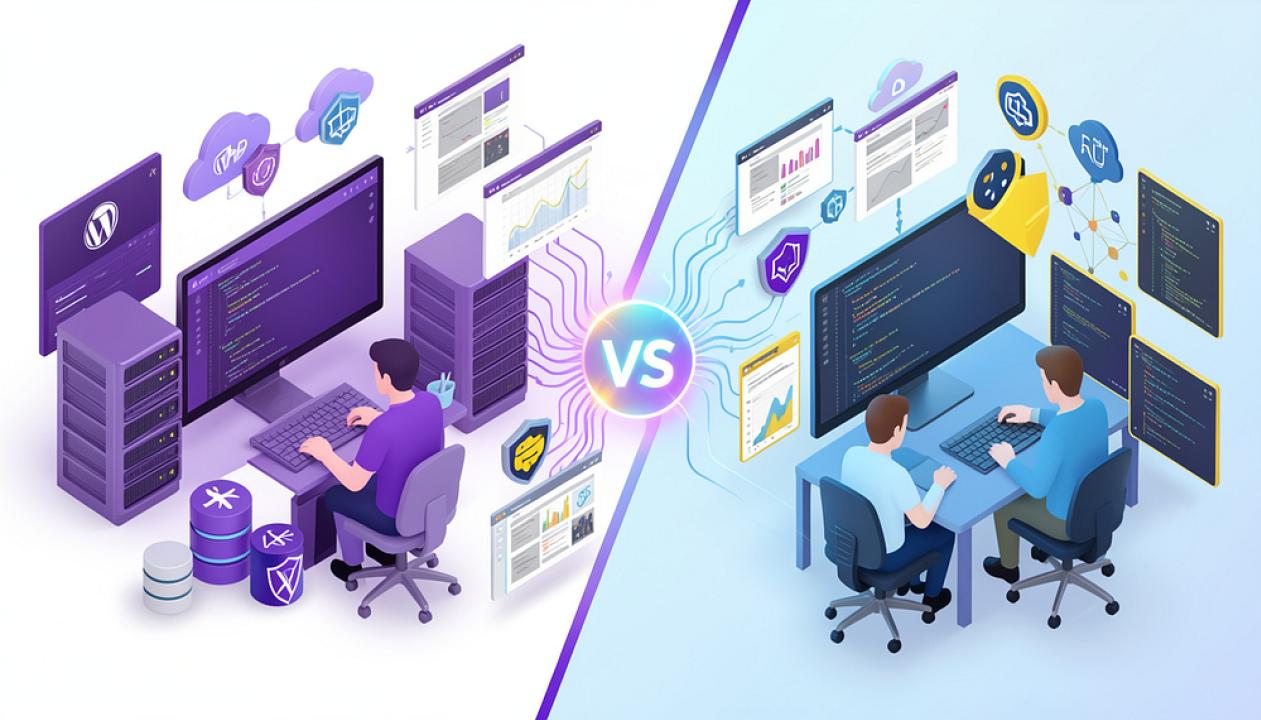
The two languages solve overlapping problems in different ways, and the tradeoffs go deeper than syntax preference. Execution speed, framework maturity, long-term maintenance cost, and how each language handles concurrency all factor into the decision. For a detailed breakdown of how they stack up feature by feature, this PHP vs. Python comparison is worth reading before you commit to either one.
When to Choose Python for Your Project
Python makes the most sense when your product needs more than a standard CRUD backend. Startups building recommendation engines, analytics dashboards, or anything touching machine learning consistently lean toward Python because the ecosystem already has the libraries built for that work.
Finding the right team matters just as much as picking the language. If you’re evaluating vendors in India, a good starting point is this list of Top Python Development Companies in India, which breaks down agencies by specialization and project fit rather than just size.
When PHP Still Makes Sense
Not every project needs Python’s data-heavy toolkit. If you’re building a content-driven site, an online store, or extending something already running on WordPress or Laravel, PHP will get you to market faster with a smaller team. It’s also the pragmatic choice when budget is tight, since PHP hosting and developer rates are generally lower across the board.
Making the Call
There’s no universally “better” language here, only a better fit for what you’re building. Python earns its keep on data-heavy, AI-driven, or automation-focused products. PHP still wins for content platforms, e-commerce, and fast, budget-conscious builds.
The real mistake isn’t picking PHP or Python. It’s picking either one without mapping it against what your product actually needs to do a year from now.