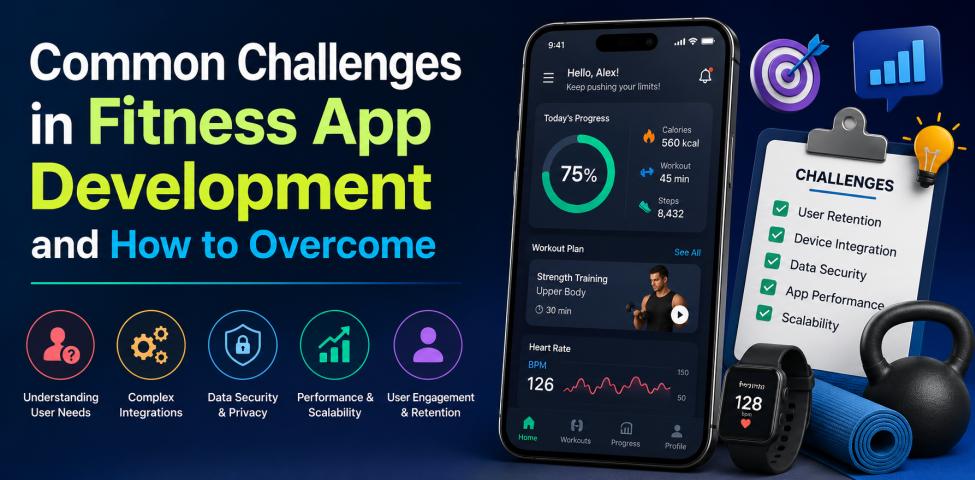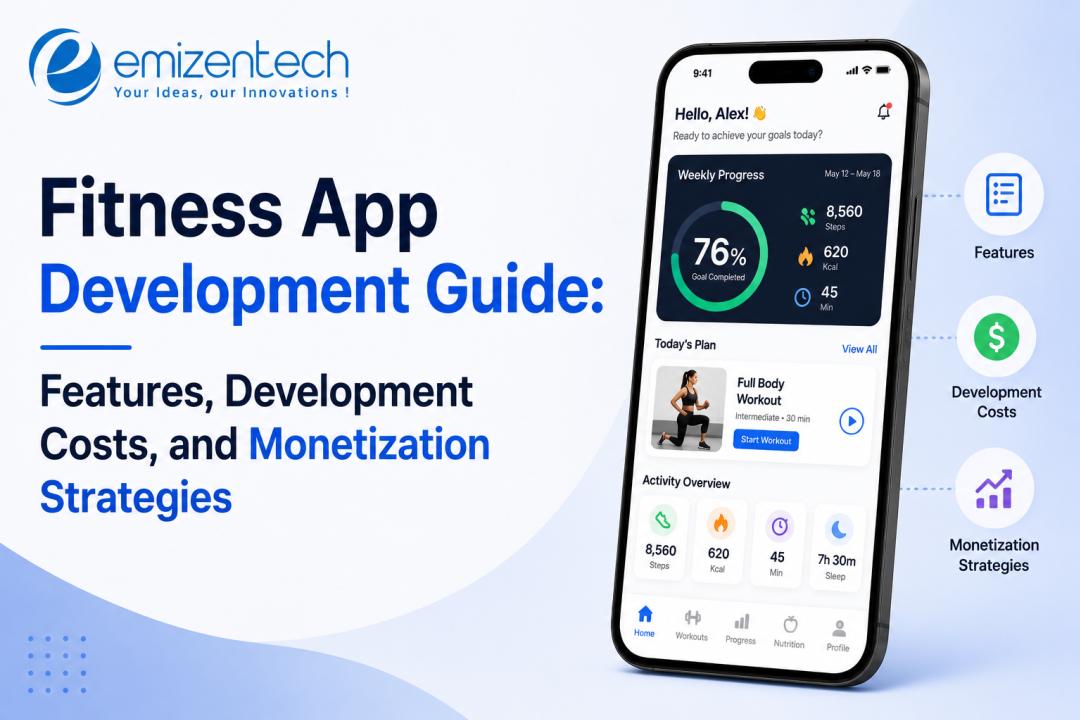
The fitness industry has experienced significant digital transformation over the past decade. As more people prioritize health, wellness, and convenience, mobile applications have become an essential tool for tracking workouts, monitoring nutrition, and staying motivated. From beginner fitness enthusiasts to professional athletes, users increasingly rely on mobile platforms to support their health goals.
Businesses and startups are also recognizing the growing demand for digital fitness solutions. Whether targeting home workouts, personal training, nutrition planning, or activity tracking, fitness applications offer opportunities to deliver value to a wide range of users.
This guide explores the fitness app market, key features, development costs, and monetization strategies that can help create a successful fitness application.
Understanding the Fitness App Market in 2026
The fitness app market continues to expand as consumers seek flexible and personalized ways to manage their health. Growing smartphone adoption, wearable technology, and increased awareness of preventive healthcare have contributed to this growth. Users now expect fitness applications to provide more than basic workout tracking. Personalized recommendations, progress analytics, virtual coaching, and integration with smart devices have become standard expectations.
The popularity of hybrid fitness models, where users combine gym visits with digital fitness tools, has further strengthened demand. Businesses entering this market must understand changing user preferences and evolving technologies to create solutions that remain relevant and competitive.
Popular Types of Fitness Apps
Different fitness applications serve different user needs, making it important to identify the right category before development begins.
Workout and Exercise Apps
These apps provide structured workout plans, exercise demonstrations, and training programs. They often cater to users seeking guided fitness routines that can be performed at home, outdoors, or in a gym environment.
Fitness Tracking Apps
Fitness tracking applications monitor physical activities such as steps, distance, calories burned, heart rate, and sleep patterns. They help users measure progress and maintain consistency in their fitness journeys.
Nutrition and Diet Apps
Nutrition-focused applications assist users with meal planning, calorie tracking, dietary recommendations, and hydration monitoring. These apps support healthier life>
Personal Trainer Apps
Personal trainer applications connect users with fitness professionals through customized workout plans, progress monitoring, messaging, and virtual coaching sessions tailored to individual goals.
Gym Management Apps
Gym management solutions simplify membership management, class scheduling, attendance tracking, and communication between fitness centers and their members, improving operational efficiency.
Essential Features Every Fitness App Needs
A successful fitness application requires a strong foundation of features that support user engagement and long-term retention.
User Registration and Profile Management
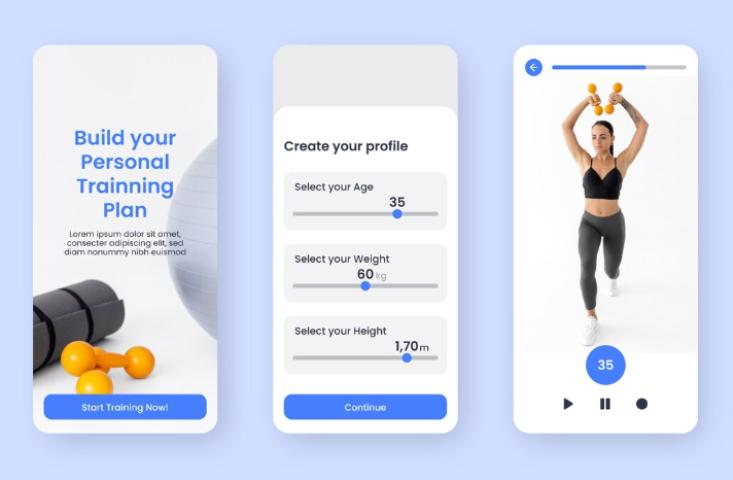
Personalized user profiles allow individuals to enter fitness goals, activity levels, health information, and preferences. This data helps create tailored experiences and relevant recommendations.
Workout Plans and Exercise Libraries
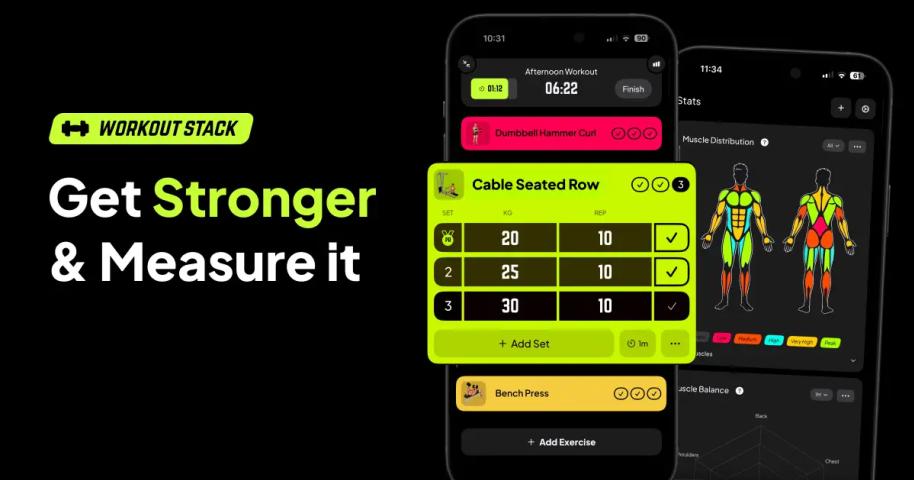
Comprehensive workout libraries containing exercise instructions, videos, and training plans help users access structured fitness routines based on their objectives and skill levels.
Activity and Progress Tracking
Tracking workouts, steps, calories, and performance metrics enables users to monitor improvements over time. Visual progress indicators can increase motivation and accountability.
Goal Setting and Achievement Tracking
Goal-setting features encourage users to establish measurable fitness objectives and track milestones. Achievements and progress updates help maintain engagement.
Nutrition and Calorie Tracking
Nutrition tracking supports healthier eating habits by helping users monitor daily calorie intake, macronutrients, and meal plans aligned with fitness goals.
Push Notifications and Reminders
Timely reminders encourage workout consistency, hydration, meal logging, and progress reviews, helping users stay committed to their routines.
In-App Payments and Subscription Management
Subscription management systems allow users to access premium content, coaching services, and exclusive features while providing a seamless payment experience.
Advanced Features That Enhance User Engagement
As competition grows, advanced functionality can significantly improve user satisfaction and retention.
AI-Powered Fitness Recommendations
Artificial intelligence can analyze user behavior, fitness history, and goals to provide personalized workout suggestions, adaptive training plans, and targeted wellness recommendations.
Wearable Device Integration
Connecting with devices such as smartwatches and fitness trackers enables automatic data synchronization, allowing users to access comprehensive health and activity information in one place. Modern fitness platforms increasingly rely on wearable app development to deliver real-time health monitoring, activity tracking, and seamless data synchronization across connected devices.
Live Streaming and Virtual Coaching
Live workout sessions and virtual coaching features provide real-time interaction between users and fitness experts, creating a more engaging and personalized experience.
Gamification and Reward Systems
Leaderboards, badges, achievement levels, and fitness challenges introduce elements of competition and motivation that encourage continued participation.
Video-Based Workout Sessions
High-quality instructional videos improve exercise accuracy and user confidence. Video content can support various fitness levels and training >
Real-Time Performance Analytics
Advanced analytics provide detailed insights into workout performance, progress trends, and health metrics, helping users make informed fitness decisions.
Fitness App Development Process
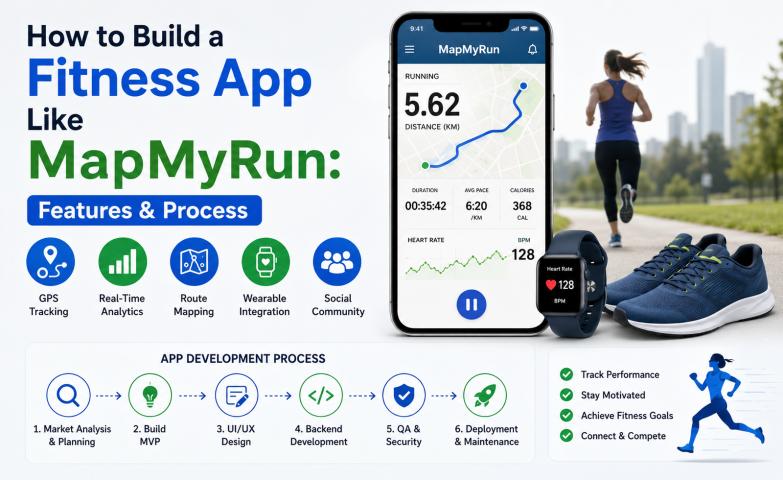
Developing a fitness application requires a structured approach that balances user needs, technical requirements, and business objectives.
Market Research and Requirement Analysis
The process begins with identifying target audiences, analyzing competitors, and defining the application's goals. Understanding user expectations helps shape feature priorities and product direction.
UI/UX Design and Prototyping
User-friendly design is critical for engagement. Wireframes and prototypes help visualize the application's structure, navigation, and overall user experience before development starts.
Technology Stack Selection
Choosing appropriate technologies affects performance, scalability, and maintenance. Development teams evaluate platform requirements, integrations, and future growth needs when selecting frameworks and tools.
App Development and Integration
Developers build core functionalities and integrate essential services such as payment gateways, wearable devices, analytics tools, and cloud infrastructure. A Fitness app development company helps ensure seamless integrations, stable performance, strong security, and smooth functionality across the application.
Testing and Quality Assurance
Comprehensive testing identifies bugs, performance issues, and usability concerns. Functional, security, and compatibility testing help ensure a stable and reliable application.
Deployment and Launch
After successful testing, the application is published on app stores and made available to users. Launch planning may include marketing, user onboarding, and performance monitoring.
Post-Launch Maintenance and Updates
Continuous updates help address user feedback, improve functionality, and maintain compatibility with new operating systems and devices.
Fitness App Development Costs Explained
Development costs can vary significantly depending on the application's scope, complexity, and feature set.
App Complexity and Feature Requirements
Basic applications with limited functionality generally require smaller budgets, while advanced platforms with AI capabilities, wearable integrations, and virtual coaching features involve greater development effort and higher costs.
Platform Selection
Developing separate applications for iOS and Android typically increases costs. Cross-platform approaches may reduce development time while maintaining broad market reach.
Third-Party Integrations
Integrations with payment systems, wearable devices, cloud services, and analytics platforms can affect development timelines and budgets.
Design and User Experience
Custom interfaces, interactive elements, animations, and advanced user experiences often require additional design resources and development effort.
Estimated Cost Ranges
A basic fitness application may cost between $15,000 and $30,000, while mid-level solutions often range from $30,000 to $70,000. Advanced applications with sophisticated functionality can exceed $100,000 depending on requirements.
Ongoing Maintenance Costs
Regular updates, security improvements, server infrastructure, bug fixes, and feature enhancements contribute to ongoing operational expenses after launch.
Organizations exploring fitness mobile app development should consider both initial development expenses and long-term maintenance requirements when planning project budgets.
Effective Monetization Strategies for Fitness Apps
Selecting the right revenue model is essential for long-term sustainability.
Subscription-Based Plans
Subscription models provide recurring revenue by offering users access to premium workouts, coaching sessions, advanced analytics, and exclusive content.
Freemium Model
Freemium strategies allow users to access basic features for free while charging for premium functionality, increasing user acquisition opportunities.
In-App Purchases
Users can purchase individual workout programs, training plans, nutrition guides, or specialized content without committing to a full subscription.
Personal Coaching Services
Fitness professionals can offer one-on-one coaching, consultations, and customized training plans through the application for additional revenue.
Advertising and Sponsorships
Relevant advertisements and sponsored partnerships can generate revenue while maintaining a positive user experience when implemented carefully.
Affiliate Partnerships
Fitness brands, equipment manufacturers, and wellness companies often collaborate through affiliate programs that provide commission-based income opportunities.
How to Choose the Right Fitness App Development Partner?
Selecting a development partner can influence the quality and long-term success of a fitness application.
Evaluate Industry Experience
Experience in health, fitness, and wellness projects can provide valuable insights into user expectations, compliance considerations, and industry trends.
Review Portfolio and Client Feedback
Past projects and client reviews help assess technical capabilities, design quality, and project delivery performance.
Assess Technical Expertise
Development teams should demonstrate proficiency in mobile technologies, cloud infrastructure, wearable integrations, and security best practices.
Consider Post-Launch Support
Long-term support services, maintenance capabilities, and update management are important factors when evaluating potential development partners.
Conclusion
Building a successful fitness app requires careful planning, user-focused features, realistic budgeting, and a sustainable monetization strategy. From selecting the right app type to implementing advanced technologies and maintaining long-term user engagement, every stage contributes to long-term success. EmizenTech recognizes the importance of balancing functionality, user experience, and scalability throughout the development process. As the fitness app market continues to evolve, businesses that prioritize innovation and user needs will be better positioned to deliver lasting value.
Frequently Asked Questions
1.How much does it cost to develop a fitness app?
The cost depends on factors such as app complexity, features, design requirements, platform selection, and third-party integrations. Basic applications generally require lower budgets than advanced solutions.
2. What features should a fitness app include?
Common features include user profiles, workout plans, activity tracking, nutrition monitoring, goal setting, notifications, and payment management.
3. How long does fitness app development take?
Development timelines vary based on project scope and complexity. A simple application may take a few months, while advanced platforms often require longer development cycles.
4. What is the best monetization model for a fitness app?
The most suitable model depends on the target audience and business goals. Subscription plans, freemium models, coaching services, and in-app purchases are commonly used approaches.
5. Can fitness apps integrate with wearable devices?
Yes. Many fitness applications integrate with smartwatches, fitness trackers, and other wearable devices to collect activity and health data automatically.
6. Should I build a native or cross-platform fitness app?
The choice depends on budget, performance requirements, target audience, and long-term business objectives. Both approaches offer unique advantages depending on project needs.