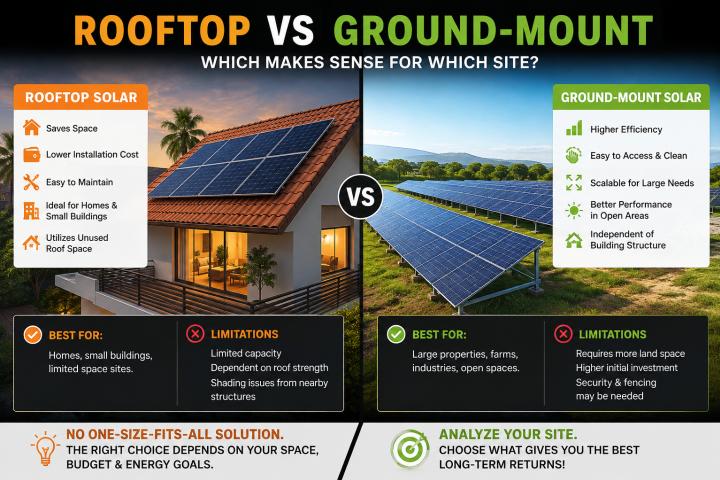
When a client or dealer asks whether a project should go on the roof or on the ground, the honest answer is: it depends on the site, not on which option sounds more advanced. Both approaches are proven, both are widely used, and the right call comes down to a handful of practical factors — available space, roof condition, shading, and how much the client is willing to spend upfront versus how much output they want to squeeze out over the system's lifetime.
Rooftop Solar: The Default Choice, and Why
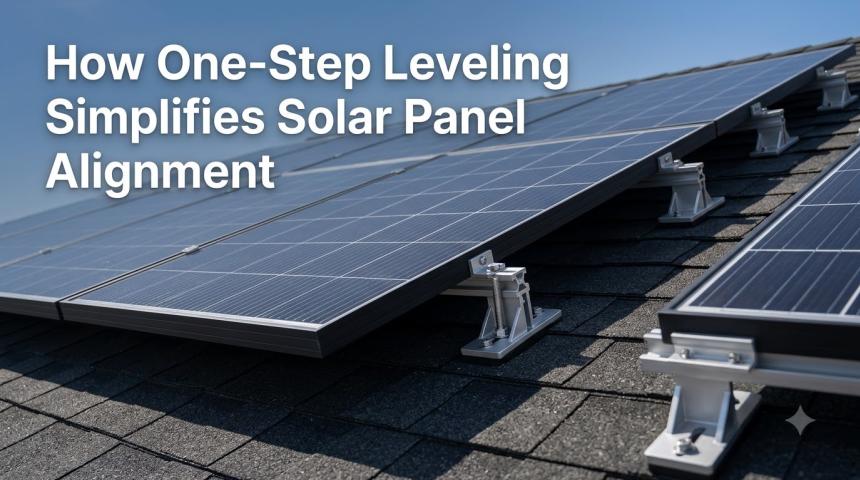
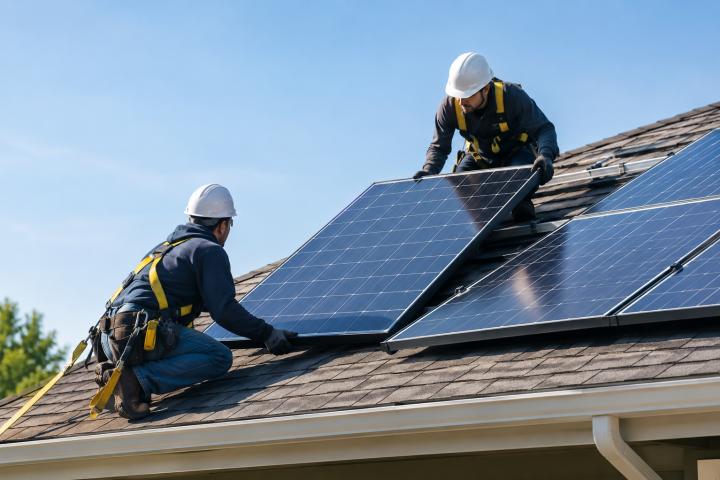
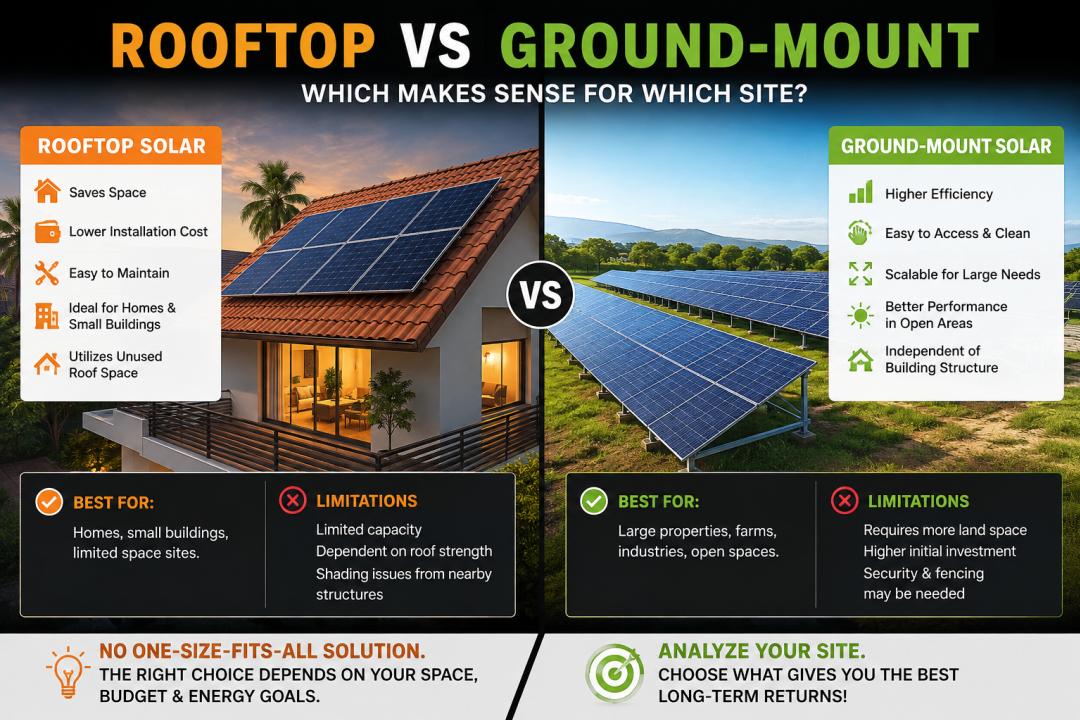
Most installations go on the roof because the structure is already there. No foundation work, no trenching, no land to acquire or clear — the building itself does the job a ground mount would otherwise need dedicated infrastructure.
That translates into a simpler, faster install. Permitting is generally more straightforward too, since the panels attach to an existing structure rather than requiring approval for a new ground-based structure on the property. For most residential and small commercial sites, this is the practical starting point — and for many buildings, it's the only option that doesn't require giving up usable land.
The trade-off is that rooftop systems are locked into whatever tilt and orientation the roof provides. If the roof doesn't face the right direction, or the pitch isn't ideal for solar exposure, the system's output takes a hit that can't be corrected without add-on tilt frames — which add cost and complexity back into what was supposed to be the simpler option.
Ground-Mount Solar: More Control, More Infrastructure
Ground-mounted systems flip the trade-off. Because the array isn't constrained by a roof's fixed angle, installers can set the tilt and orientation for maximum solar exposure at that specific location. That control is real: ground-mounted systems typically produce meaningfully more electricity than a comparable rooftop system, precisely because the panels aren't compromising on angle to match an existing structure.
There are secondary benefits too. Panels mounted on the ground tend to run cooler than roof-mounted panels, since airflow underneath and around the array isn't blocked the way it can be on a rooftop — and cooler panels are more efficient panels. Ground mounts also sidestep the shading problems that chimneys, vents, and other rooftop features can cause.
None of this comes free. A ground-mount system needs its own foundation — driven posts, concrete piers, or ground screws — plus underground conduit to route wiring back to the building. That's infrastructure a rooftop system gets for free from the building it sits on, and it's why ground mounts cost more to install than a similarly sized rooftop system. Permitting tends to be more involved as well, since local authorities are approving a new ground-based structure rather than an addition to an existing one.
Ground-mounted arrays are also more exposed — sitting at ground level makes them more accessible to tampering, wildlife interference, and general environmental exposure than a rooftop array sitting well above foot traffic.
So Which One Fits the Site?
There's no universal right answer, but a few questions tend to settle it quickly:
Is there usable roof space, and is it in reasonable condition? If the roof is structurally sound, has decent southern (or equator-facing) exposure, and isn't heavily shaded, rooftop is usually the faster, lower-cost path — and it doesn't consume any land that could otherwise be used for something else.
Does the roof face the wrong way, or is it heavily shaded? If the roof geometry genuinely limits output — wrong orientation, low pitch, persistent shading from surrounding structures or trees — a ground mount removes that constraint entirely, at the cost of needing available land and a bigger upfront installation budget.
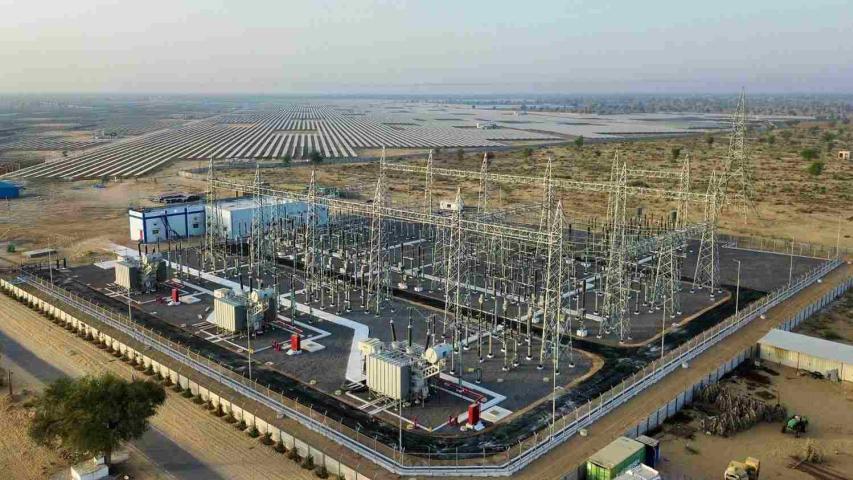
Is land actually available, and is it worth dedicating to the array? Ground mounts need a clear, unshaded plot for the life of the system. For commercial or industrial sites with spare land that isn't earmarked for anything else, that's an easy trade. For sites where every square foot of land has competing uses, rooftop remains the more efficient use of what's already there.
What's the priority — lower upfront cost, or maximum long-term output? Rooftop wins on installation cost and speed. Ground mount wins on output and long-term flexibility, provided the site has the land to spare and the budget to match.
The Practical Takeaway
Neither option is objectively better — they solve different problems. Rooftop solar makes sense when the roof is usable and the goal is a straightforward, cost-efficient install. Ground-mount solar makes sense when the roof can't deliver good output, when there's land to spare, or when the project's scale and budget justify building dedicated infrastructure for the sake of squeezing out every available watt. The right recommendation always starts with a proper site assessment — roof condition, shading, available land, and the client's priorities — rather than a default preference for one approach over the other.