Python has become one of the most popular programming languages in the technology industry. Its simple syntax, versatility, and wide range of applications make it an excellent choice for students, fresh graduates, working professionals, and aspiring developers.
From web development and automation to data analytics, artificial intelligence, and machine learning, Python is used across multiple technology domains. If you are planning to start a career in IT, learning Python can provide a strong foundation for several high-demand career paths.
For learners looking for Python Course Training in Chennai, CloudData Technologies offers practical, career-oriented training designed to help students develop programming skills through hands-on learning and real-time projects.
Why Learn Python in 2026?
Python continues to be an important technology for modern software development and AI applications. One of its biggest advantages is its beginner-friendly syntax, which allows new programmers to understand programming concepts without dealing with excessive complexity.
Python is widely used for:
Web application development
Data analysis
Artificial Intelligence
Machine Learning
Automation
Data Science
API development
Scripting
Software testing
Database applications
Because Python can be applied across different technology areas, learning it can open multiple career opportunities.
Why Choose Python Course Training in Chennai?
Chennai has a growing technology ecosystem with opportunities across software development, data analytics, cloud computing, AI, automation, and enterprise applications.
Choosing the right Python training in Chennai can help you build both theoretical knowledge and practical programming skills.
A good Python training program should cover more than basic syntax. Students should get opportunities to write programs, solve coding problems, work with databases, build applications, and develop real-world projects.
At CloudData Technologies, the Python course is designed around this practical approach.
The training includes hands-on coding, real-time projects, flexible batches, and placement-oriented preparation.
Python Course Curriculum
A structured Python course should take students from programming fundamentals to practical application development.
1. Python Fundamentals
The course begins with the basic concepts required to understand Python programming.
Students learn:
Variables
Data types
Operators
Conditional statements
Loops
Input and output
Functions
Basic programming logic
These fundamentals are essential for developing strong programming skills.
2. Python Data Structures
Students learn how Python stores and manages information using different data structures.
Important concepts include:
Lists
Tuples
Sets
Dictionaries
Strings
Nested data structures
List comprehension
Understanding data structures is particularly important when preparing for Python developer interviews.
3. Functions and Modules
Functions help developers organize code into reusable components.
Students learn:
Function creation
Parameters and arguments
Return values
Lambda functions
args and *kwargs
Modules
Packages
Import statements
These concepts help learners write cleaner and more maintainable Python applications.
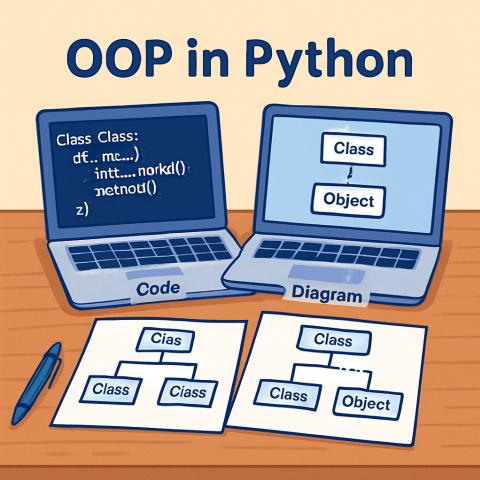
4. Object-Oriented Programming
Object-Oriented Programming is an important part of Python development.
The training introduces concepts such as:
Classes
Objects
Constructors
Inheritance
Polymorphism
Encapsulation
Abstraction
Understanding OOP is also important for technical interviews and professional software development.
5. Exception Handling
Real-world applications need to handle unexpected errors properly.
Students learn:
Errors and exceptions
try
except
finally
else
Custom exceptions
This helps developers build applications that can handle errors more effectively.
6. File Handling
Python provides powerful capabilities for working with files.
Students learn how to:
Create files
Read files
Write files
Update files
Work with CSV files
Process text files
File handling is useful for automation, data processing, and application development.
Python with Databases
Modern applications frequently need to store and retrieve information from databases.
Python training can introduce students to database connectivity and concepts such as:
SQL basics
Database connections
CRUD operations
Executing queries through Python
Retrieving database records
Working with application data
Combining Python with SQL can be particularly useful for aspiring backend developers and data professionals.
Python for Data Analysis
Python is widely used for processing and analyzing data.
Students interested in data analytics can learn popular Python libraries such as:
NumPy
NumPy is commonly used for numerical computing and working with arrays.
Pandas
Pandas provides powerful tools for manipulating and analyzing structured data.
Using Python with NumPy and Pandas allows developers and analysts to clean, transform, analyze, and prepare datasets.
Python for Web Development
Python can also be used to build web applications.
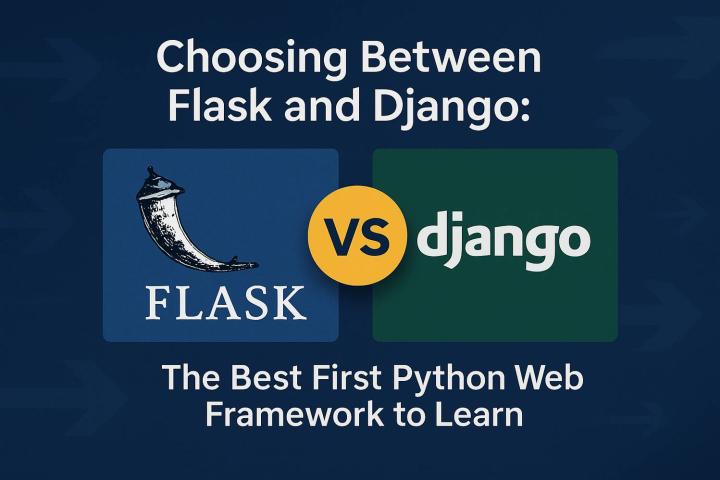
Popular Python web frameworks include:
Django
Flask
FastAPI
Students can learn how Python communicates with web applications, databases, APIs, and backend systems.
This provides a foundation for pursuing Python Developer or Backend Developer roles.
Python for Automation
One of Python's biggest advantages is automation.
Python scripts can automate repetitive tasks such as:
File processing
Data extraction
Report generation
Data conversion
Routine system tasks
API-based operations
Automation skills can help organizations reduce repetitive manual work and improve productivity.
Real-Time Python Projects
Learning programming through projects is often more effective than studying theory alone.
At CloudData Technologies, the Python training emphasizes practical learning through real-time projects.
Depending on the learner's level and course path, projects can include:
1. Python Automation Project
Build a Python application that automates repetitive file or data-processing tasks.
2. Data Analysis Project
Use Python, Pandas, and NumPy to analyze a real-world dataset and generate meaningful insights.
3. Web Application
Develop a basic web application using a Python framework such as Flask or Django.
4. Dashboard or Reporting Project
Process datasets using Python and create useful reports or visualizations.
5. API-Based Application
Build an application that communicates with external services through APIs.
These projects help students understand how Python is used beyond classroom exercises.
Who Can Join Python Training in Chennai?
Python is suitable for a wide range of learners.
Freshers
Students and fresh graduates can start Python from the fundamentals without previous professional programming experience.
Working Professionals
Professionals who want to transition into software development, data analytics, automation, or AI can use Python as a career-building skill.
Non-Programming Background Students
Python's relatively simple syntax makes it suitable for learners who are beginning their programming journey.
Aspiring Data Professionals
Python is an important skill for people interested in data analytics, data science, and machine learning.
Do You Need Programming Experience to Learn Python?
No.
You do not necessarily need previous programming experience to start learning Python. A structured course can begin with basic concepts such as variables, conditions, loops, and functions before progressing toward advanced topics.
CloudData Technologies' Python program is designed to start from fundamentals and gradually introduce advanced concepts.
However, consistent practice is extremely important. Students should write code regularly rather than relying only on watching training sessions.
Career Opportunities After Learning Python
Python skills can support several career paths.
Potential roles include:
Python Developer
Backend Developer
Software Developer
Automation Developer
Data Analyst
Junior Data Scientist
Machine Learning Engineer
AI Developer
QA Automation Engineer
The exact role depends on the additional skills, projects, experience, and specialization developed by the learner.
Python Interview Preparation
Learning Python syntax is only one part of becoming job-ready.
Students should also prepare for technical interviews.
Common interview topics include:
Python data types
Lists vs tuples
Sets and dictionaries
Functions
Lambda functions
List comprehension
Exception handling
OOP
Inheritance
Polymorphism
Decorators
Generators
Iterators
File handling
Database connectivity
Python libraries
Problem-solving and coding questions
Project-based interview preparation can also help candidates explain their practical experience confidently.
Python Certification
Completing a structured training program can provide learners with a course completion certificate.
CloudData Technologies provides a Python Course Completion Certificate after successful completion of the training.
A certificate can strengthen a resume, but practical skills and demonstrable projects remain important when applying for jobs.
Flexible Python Training Batches
Learners often have different schedules. CloudData Technologies offers multiple batch options, including:
Weekday batches
Weekend batches
Fast-track training
The current course information lists weekday sessions, weekend sessions, and intensive fast-track options, with morning, afternoon, and evening timings available.
This makes it easier for students and working professionals to select a schedule that fits their routine.
Why Choose CloudData Technologies for Python Training?
CloudData Technologies focuses on practical and career-oriented IT training.
Key benefits include:
Hands-on Python training
Real-time projects
Experienced trainers
Flexible batch schedules
Placement support
Interview preparation
Course completion certification
Industry-oriented curriculum
The goal is to help learners move from programming fundamentals toward practical, job-ready skills.
How to Start Your Python Learning Journey
If you are completely new to programming, start with the fundamentals.
A recommended learning path is:
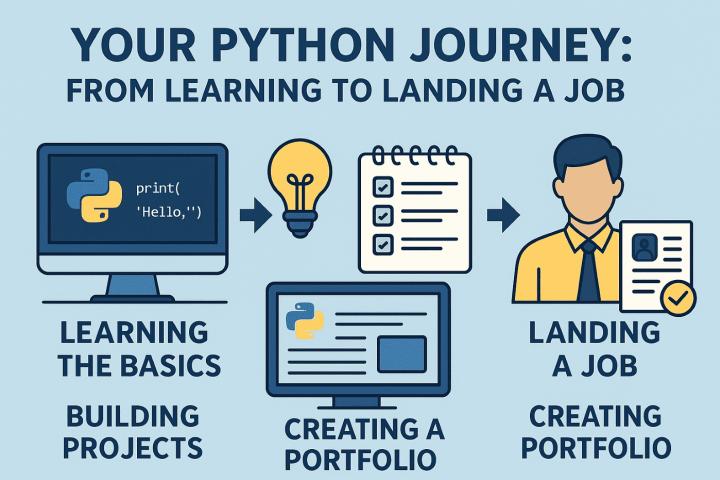
Python Basics → Data Structures → Functions → OOP → Exception Handling → File Handling → SQL → APIs → Frameworks → Projects → Interview Preparation
Do not try to learn everything at once. Focus on understanding each concept and practice by writing programs.
The most important factor is consistency.
Even 1–2 hours of daily coding practice can significantly improve your programming confidence over time.
Conclusion
Python is a valuable programming language for anyone looking to enter or grow within the technology industry. Its applications across software development, automation, data analytics, AI, and machine learning make it a versatile skill for modern IT careers.
For students and professionals searching for Python Course Training in Chennai, choosing a program that combines fundamentals, hands-on coding, real-time projects, and career preparation can make the learning journey more practical.
CloudData Technologies provides Python training in Chennai with hands-on learning, real-time projects, flexible batches, placement support, and certification.
If you are ready to start your Python journey, explore the Python Course Training in Chennai program at CloudData Technologies: