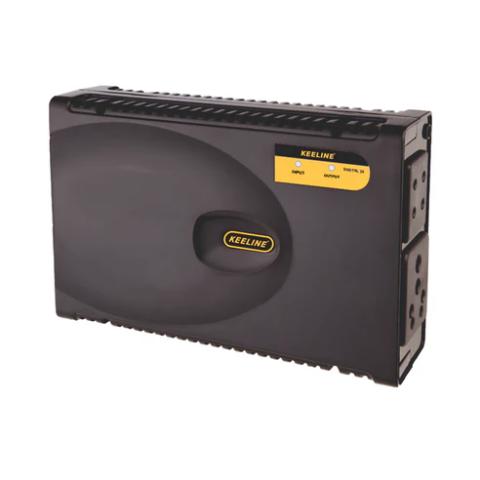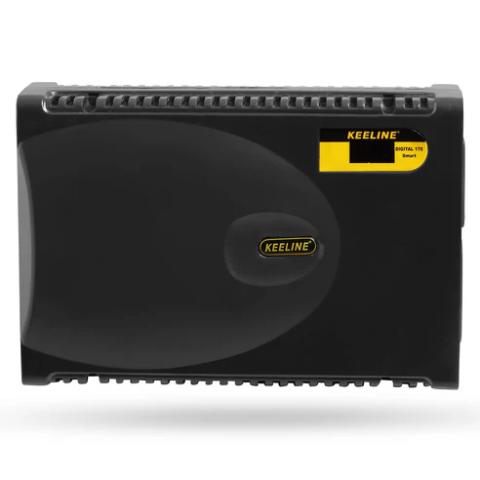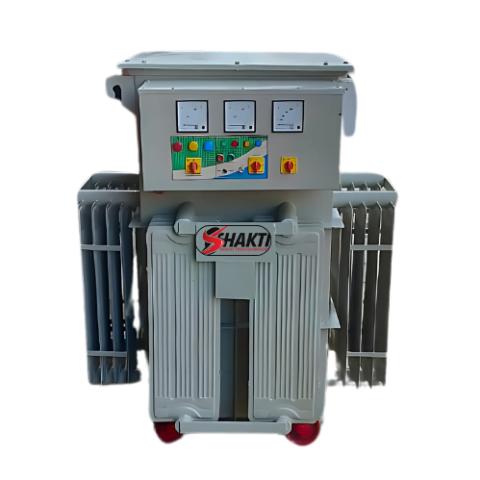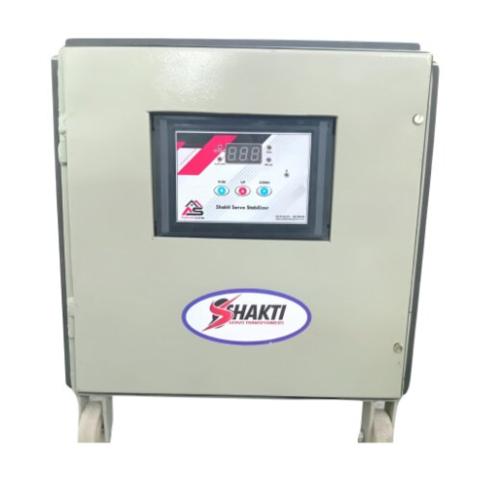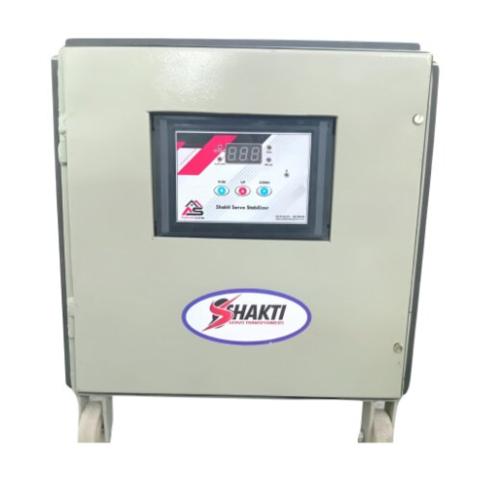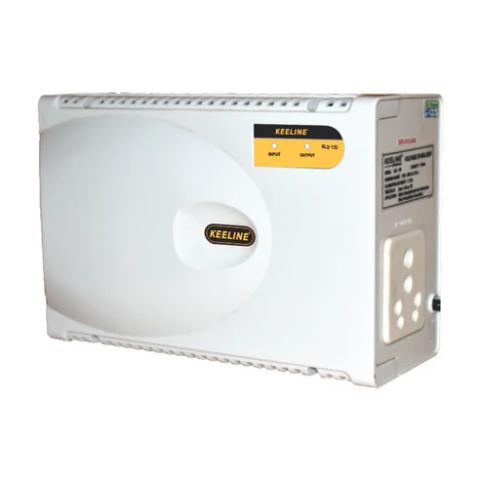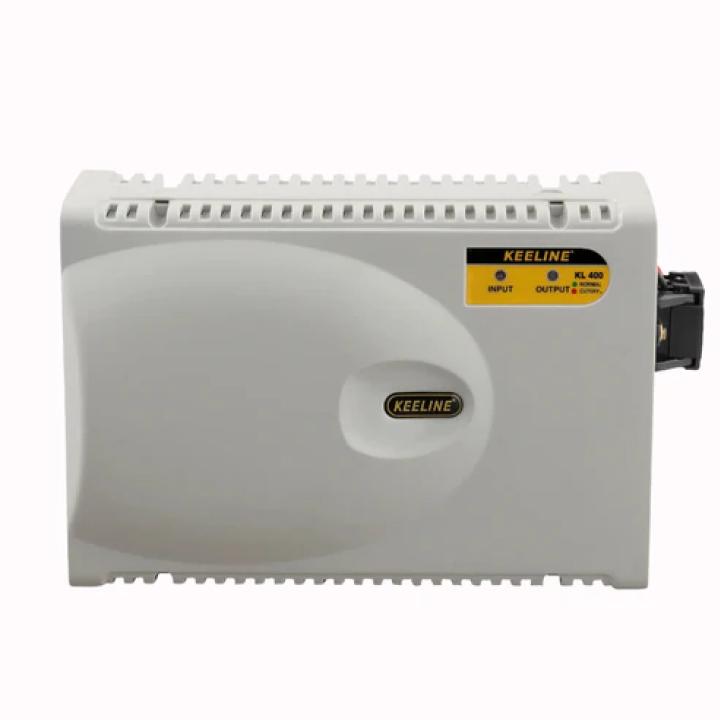
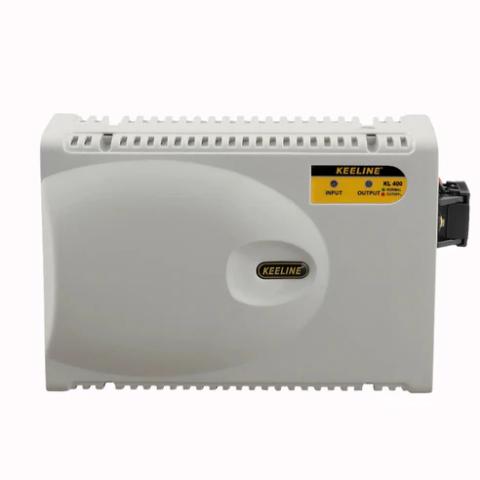
Monsoon brings relief from summer heat, but it can also create electrical challenges for homes and offices. Heavy rainfall, thunderstorms, lightning, power cuts, and sudden restoration of electricity can contribute to unstable power conditions. Air conditioners are particularly important during humid weather because they help maintain comfortable indoor temperatures, but their electronic components can be affected by sudden voltage changes.
Many homeowners focus on preventing water damage during the rainy season but overlook electrical risks. Voltage spikes and fluctuations can place stress on the compressor, control boards, sensors, and other components inside an air conditioner. When comparing options, consider the voltage range, AC capacity, protection features, and local power conditions to identify the best stabilizer for AC based on your specific requirements.
Why Monsoon Can Affect Power Supply
Rain itself does not automatically cause voltage fluctuations, but severe weather can affect electricity distribution systems. Storms, lightning, fallen branches, damaged infrastructure, and temporary power interruptions can all contribute to unstable electrical conditions.
Power may also fluctuate when electricity is restored after an outage. These sudden changes can be particularly concerning for electronic appliances that are connected directly to the household supply.
An appropriately rated stabilizer helps regulate incoming voltage and provides an additional layer of protection for the connected AC.
Hidden Risks of Power Surges During Monsoon
A power surge is a sudden increase in electrical voltage. It can happen during grid disturbances, switching events, or after electricity returns following an interruption.
The effects may not always be immediately visible. A surge can place electrical stress on components such as:
- Compressor-related electrical systems
- Inverter boards
- Control circuits
- Sensors
- Power supply components
Repeated exposure to unstable voltage can affect appliance reliability over time. A stabilizer helps manage voltage fluctuations within its specified operating range and reduces the stress caused by unstable supply.
How a Stabilizer Protects Your AC
The primary function of a stabilizer is to regulate voltage before it reaches the air conditioner. It monitors the incoming supply and adjusts the output when the voltage moves outside the suitable range supported by the product.
This can help protect the AC against:
- Low voltage
- High voltage
- Sudden fluctuations
- Certain power restoration events
- Overload conditions, where supported
For households experiencing frequent electrical instability during monsoon, a properly matched best stabilizer for AC can provide valuable additional protection.
Protecting the Compressor
The compressor is one of the most important and expensive components in an air conditioner. It plays a central role in the cooling cycle and operates under demanding conditions.
Unstable voltage can place additional electrical stress on the compressor. Low voltage may make operation more difficult, while excessive voltage can stress electrical components.
A suitable stabilizer helps maintain more consistent voltage for the connected AC, supporting smoother compressor operation and reducing exposure to unnecessary electrical variations.
Safeguarding Inverter AC Electronics
Inverter air conditioners use variable-speed compressor technology and sophisticated electronic systems to regulate cooling. These systems can improve efficiency, but they also contain sensitive control electronics.
Power instability may affect inverter control boards and other electronic circuits. A compatible stabilizer provides an additional layer of voltage regulation before electricity reaches the AC.
This does not replace the protection built into the air conditioner. Instead, it complements the manufacturer's electrical safeguards, particularly in areas with inconsistent power.
Protection After Power Cuts
One of the most overlooked monsoon risks is the moment electricity returns after an outage.
When power is restored, the electrical supply may briefly fluctuate. If several appliances restart simultaneously, local demand can also change quickly.
A stabilizer helps regulate incoming voltage before it reaches the air conditioner. This can reduce the impact of unstable power during the restart process and support safer appliance operation.
Can a Stabilizer Prevent Lightning Damage?
A stabilizer should not be treated as complete protection against a direct lightning strike. Lightning can involve extremely high electrical energy and requires dedicated protection measures such as properly designed surge protection and building earthing systems.
However, a suitable stabilizer may help manage certain routine voltage fluctuations and electrical disturbances within its specified capabilities.
For maximum safety, homeowners should follow electrical safety recommendations and use appropriate surge and grounding protection where required.
Supports Reliable Cooling During Humid Weather
Monsoon weather can make indoor conditions uncomfortable because of increased humidity. Air conditioners are often used to maintain a cooler and more comfortable environment.
Reliable electrical operation is therefore important. Voltage instability can interrupt AC operation or affect component performance.
By providing regulated voltage, a stabilizer supports more consistent appliance operation, helping the AC perform reliably when it is needed most.
Choosing the Right Stabilizer for Monsoon Protection
Not every stabilizer is suitable for every AC. Before buying one, consider:
- AC capacity and tonnage
- Inverter or non-inverter technology
- Input voltage range
- Output voltage
- Surge protection features
- High- and low-voltage protection
- Overload protection
- Manufacturer recommendations
The best stabilizer for AC is not necessarily the most expensive option. It is the model whose specifications match your air conditioner's requirements and your local electrical conditions.
Installation Matters
Proper installation is just as important as selecting the right product. A stabilizer should be installed in a dry, well-ventilated location away from direct exposure to rainwater or moisture.
Electrical connections and earthing should be handled according to applicable safety requirements, preferably by a qualified technician. Avoid covering ventilation openings or placing the stabilizer where water can reach it.
Correct installation helps the device operate safely and reliably throughout the monsoon season.
Why Preventive Protection Makes Sense
Air conditioner repairs can be expensive, particularly when electrical problems affect the compressor, inverter board, or control circuitry. A stabilizer cannot prevent every possible malfunction, but it can help reduce risks related to unstable voltage.
Preventive protection can therefore be a practical investment, especially for households located in areas with frequent fluctuations or power interruptions during storms.
Conclusion
Monsoon can introduce electrical risks that are easy to overlook. Power cuts, restoration events, storms, and voltage fluctuations may place stress on air conditioner components even when there is no visible damage to the appliance.
A properly selected stabilizer helps regulate incoming voltage and adds another layer of protection for compressors, inverter electronics, and control systems. When comparing options, focus on compatibility, operating range, protection features, and installation requirements rather than price alone.
For households that regularly experience unstable electricity, choosing the best stabilizer for AC can be a practical step toward safer operation, fewer voltage-related risks, and more dependable cooling throughout the monsoon season.
Frequently Asked Questions
- Does an AC need a stabilizer during monsoon?
An AC may benefit from a stabilizer if your area experiences frequent voltage fluctuations, power cuts, or unstable electricity during storms. Always check the air conditioner's manufacturer recommendations before installation.
- Can an AC stabilizer protect against power surges after a power cut?
A suitable stabilizer can help regulate voltage when electricity returns and may reduce the impact of certain voltage fluctuations. The level of protection depends on the stabilizer's specifications and should not be confused with complete lightning protection.
- Can the best stabilizer for AC protect an inverter AC?
A compatible stabilizer can provide an additional layer of voltage regulation for an inverter AC. However, compatibility, operating range, and the AC manufacturer's recommendations should be checked before purchase.
- Does a stabilizer protect an AC from lightning?
A standard stabilizer should not be considered protection against a direct lightning strike. Dedicated surge protection, proper earthing, and an appropriate electrical protection system are important for reducing lightning-related risks.
- What features should I look for in an AC stabilizer for monsoon?
Look for an appropriate voltage operating range, automatic voltage regulation, high- and low-voltage protection, suitable capacity, and any documented surge or overload protection. Make sure the stabilizer is compatible with your AC.
- Is a more expensive AC stabilizer always better?
Not necessarily. The best choice depends on your AC's capacity, electrical conditions, required voltage range, protection features, and manufacturer recommendations. A properly matched stabilizer can offer better practical value than simply choosing the most expensive model.