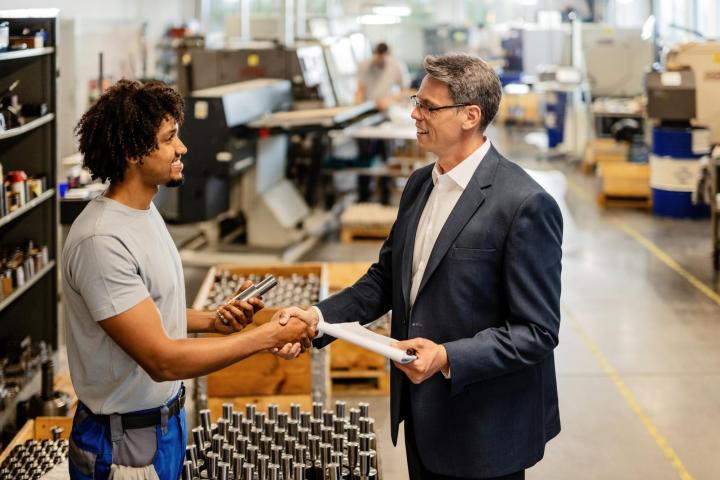
Industries rarely have identical production requirements. From automotive components and construction systems to electronics and industrial equipment, businesses often need products that match specific dimensions, materials, performance standards, and production volumes. Custom manufacturing provides the flexibility to create components according to these individual requirements rather than forcing businesses to adapt to standard products. For companies sourcing precision components, CNC Machining China can provide access to specialized machining capabilities, flexible production options, and manufacturing expertise for complex parts.
What Is Custom Manufacturing?
Custom manufacturing is the process of producing components or products based on a customer's specific design, specifications, and performance requirements. Instead of manufacturing a standardized product for a broad market, manufacturers work from technical drawings, CAD files, prototypes, or detailed instructions.
The approach can involve several processes, including CNC machining, extrusion, injection molding, sheet metal fabrication, casting, finishing, and assembly. The appropriate process depends on factors such as the material, design complexity, quantity, tolerance requirements, and intended application.
This flexibility makes custom manufacturing valuable across industries where standard components may not provide the required fit or functionality.
Meeting Industry-Specific Design Requirements
One of the biggest advantages of custom manufacturing is the ability to accommodate specialized designs. Different industries use components with unique dimensions, shapes, and functional characteristics.
For example, automotive manufacturers may require lightweight structural parts that can withstand vibration and temperature changes. Electronics companies may need small, highly precise enclosures or brackets, while industrial machinery manufacturers may require heavy-duty components capable of handling continuous operation.
Custom production allows engineers to adjust dimensions, tolerances, material selection, and surface treatments to suit the final application. This helps businesses develop components that integrate more effectively into their existing products or systems.
Supporting the Construction and Architecture Industry
Construction and architectural projects frequently require materials and components that fit specific structural or aesthetic requirements. Standard profiles and components may not always match a project's dimensions or design.
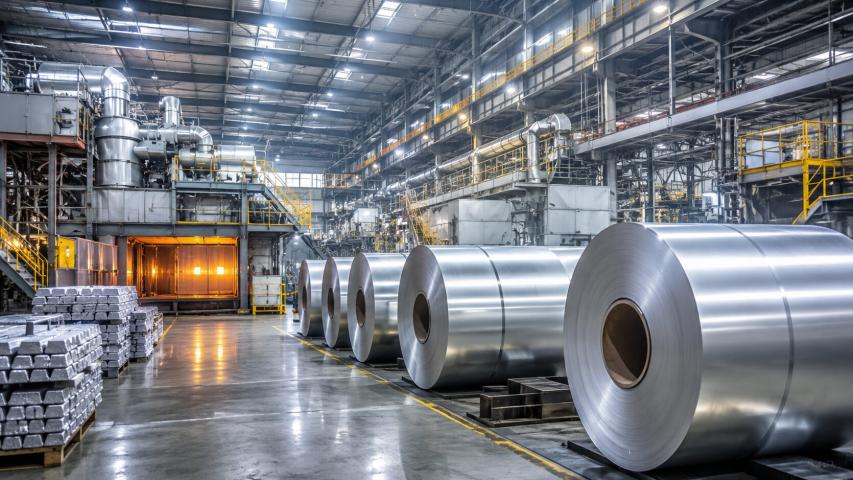
This is where customized aluminum components can provide significant value. An Aluminum Profile Manufacturer China can produce profiles in different shapes, sizes, wall thicknesses, and configurations according to project specifications. These profiles can be used for doors, windows, curtain walls, partitions, equipment frames, and other architectural applications.
Customization also allows manufacturers to provide specific surface finishes and cutting dimensions. As a result, construction companies can reduce the amount of modification required during installation and achieve a more precise final fit.
Precision for Automotive and Transportation Applications
The automotive and transportation sectors depend heavily on accuracy, consistency, and durability. Components must often meet strict dimensional tolerances because even minor variations can affect assembly or performance.
Custom manufacturing supports the production of brackets, housings, shafts, fittings, engine components, and structural parts according to detailed engineering specifications. Manufacturers can also work with materials selected for strength, corrosion resistance, heat resistance, or weight reduction.
Another important benefit is repeatability. Once a design and production process have been validated, manufacturers can produce additional batches with consistent specifications. This is particularly useful for companies that need replacement parts or recurring production runs.
Supporting Electronics and Technology Products
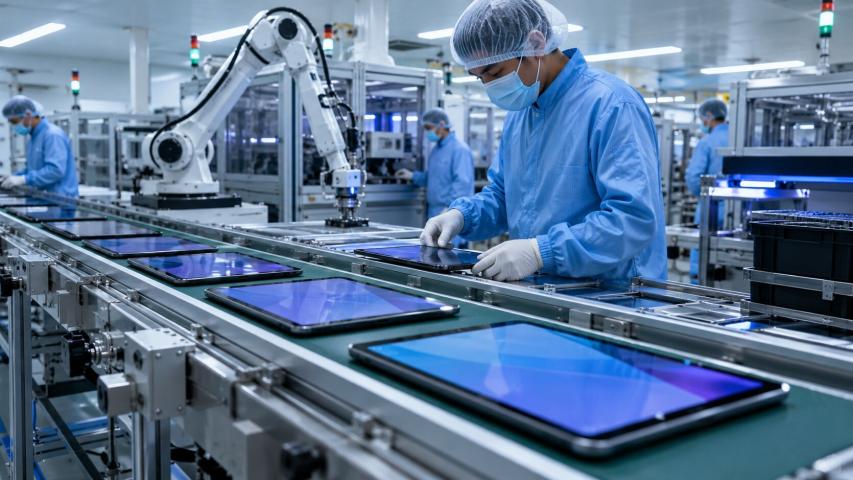
Technology products are becoming smaller and more sophisticated, increasing the need for precise custom components. Electronics manufacturers may require compact enclosures, heat sinks, mounting brackets, connectors, and structural parts that fit within limited spaces.
Custom manufacturing enables these components to be designed around the internal layout of a product. Manufacturers can account for ventilation, cable routing, mounting points, and other functional considerations during production.
Material selection is also important. Aluminum, stainless steel, plastics, and other materials may be selected depending on electrical, thermal, and mechanical requirements.
Flexibility for Medical and Healthcare Equipment
Medical equipment often requires specialized components that meet demanding standards for reliability, cleanliness, and precision. Components may need to be manufactured from materials suitable for particular environments while maintaining accurate dimensions.
Custom production can support devices such as diagnostic equipment, laboratory instruments, surgical tools, equipment housings, and specialized fixtures. Manufacturers can produce prototypes for testing before moving to larger production quantities, allowing engineers to identify potential design improvements at an earlier stage.
For businesses developing new medical equipment, this flexibility can help shorten development cycles while supporting the technical requirements of the finished product.
Helping Businesses Manage Different Production Volumes
Not every company requires thousands or millions of components. Some businesses need only a small batch for prototyping, while others require large-scale production after a product enters the market.
Custom manufacturing can accommodate different production volumes. Small quantities are useful during product development and testing, while larger batches can support commercial production.
This scalability allows businesses to move through different stages of development without completely changing their manufacturing strategy. A company can begin with prototypes, produce a limited run for market testing, and later increase production as demand grows.
Improving Product Development and Prototyping
Prototyping is an important part of developing new products. A design that appears effective on a computer may reveal practical issues when it becomes a physical component.
Custom manufacturing makes it possible to produce prototypes that closely represent the final product. Engineers can test dimensions, assembly, strength, functionality, and usability before committing to full-scale production.
Design changes can then be incorporated into subsequent versions. This iterative process helps reduce the risk of expensive modifications after mass production has already started.
Supporting Material and Finishing Choices
Different applications require different material characteristics. Custom manufacturers can work with materials such as aluminum, stainless steel, brass, copper, engineering plastics, and various alloys.
Surface finishing can also be selected according to the application's requirements. Options may include anodizing, powder coating, polishing, plating, brushing, or other treatments.
These choices can improve corrosion resistance, appearance, durability, or surface performance. Having access to multiple material and finishing options allows businesses to create components that better match their operating environment.
Maintaining Quality and Consistency
Quality control is essential when producing customized components. Manufacturers typically use inspection methods to verify dimensions, tolerances, surface quality, and other specifications.
For industries with strict requirements, quality checks can be integrated throughout the production process rather than performed only after manufacturing is complete. This helps identify potential issues early and improves consistency between batches.
Clear technical drawings, agreed specifications, and inspection standards also help manufacturers and customers maintain the same expectations throughout the production process.
Conclusion
Custom manufacturing provides industries with a practical way to address specialized production requirements. Its ability to accommodate unique designs, materials, tolerances, finishes, and production volumes makes it suitable for sectors ranging from construction and automotive to electronics, healthcare, and industrial equipment.
By combining design flexibility with scalable production and quality control, custom manufacturing can help businesses develop better-fitting components, improve product development, and respond to changing market demands. As industries continue to pursue more specialized and efficient products, customized production will remain an important part of modern manufacturing.