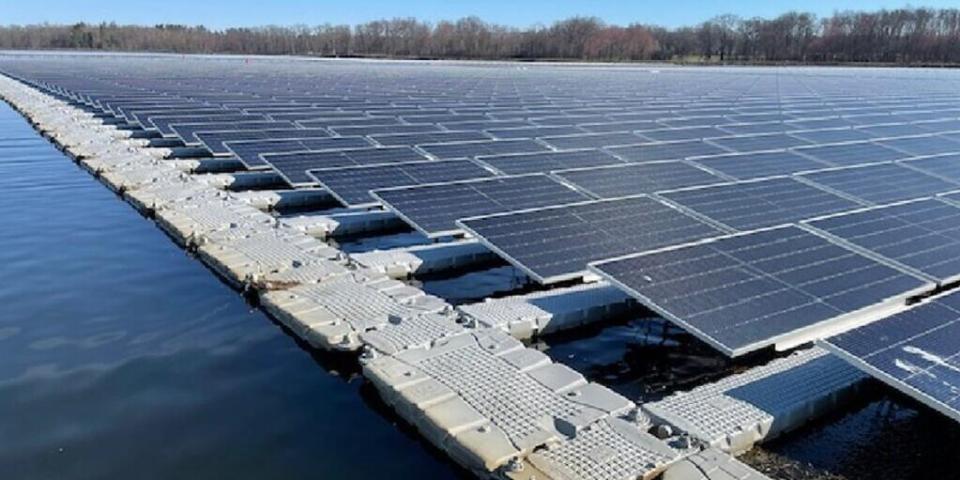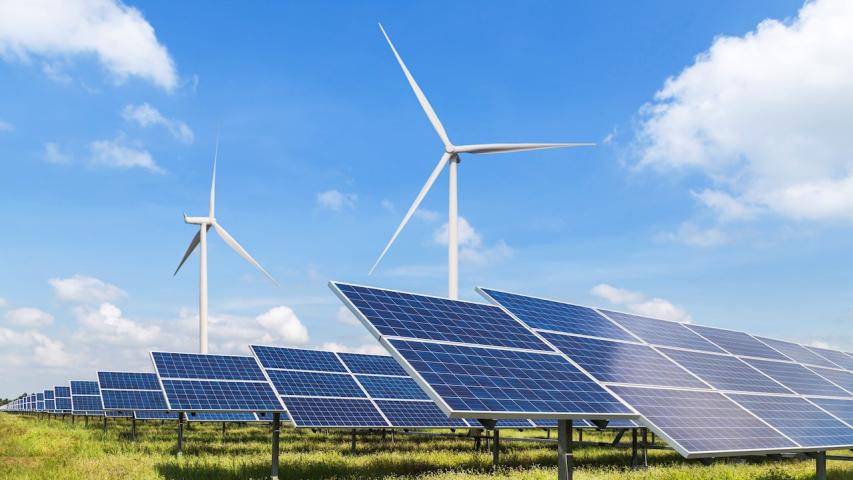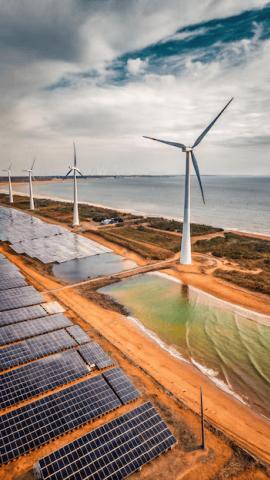
Walk through almost any Indian city today and you’ll spot solar panels on rooftops that had nothing but water tanks a few years ago. Big solar parks are going up too. Clean energy is no longer a distant idea here. It’s opening doors for businesses, communities and ordinary households.
But panels and investment only get you so far. Someone has to explain why it matters, answer the doubtful neighbour, and push people to take that first practical step. That’s where the renewable energy enthusiast comes in: a person who cares about clean power, environmental responsibility and sustainable development, and who passes that interest on to others.
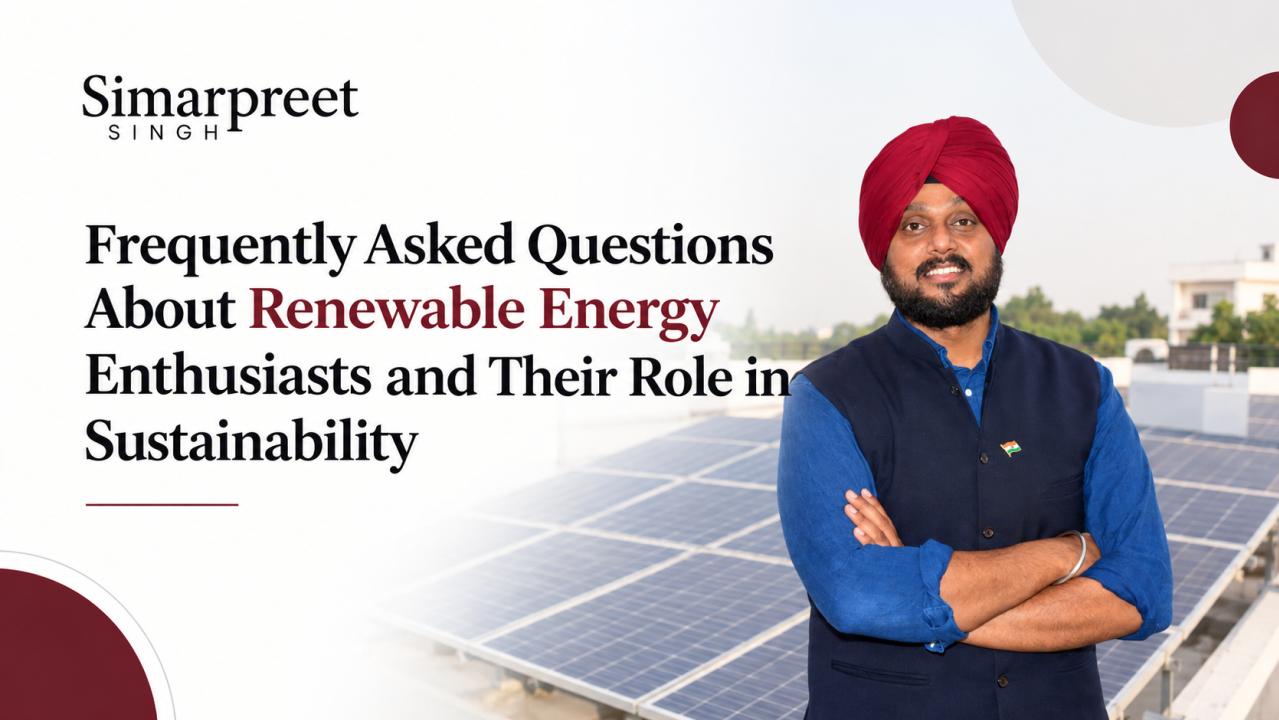
Simarpreet Singh knows this space well. He’s an Indian entrepreneur and the Founder of Hartek Solar, and his career has been built around the power sector and sustainable infrastructure. Through Hartek Group, he’s worked to expand renewable energy and support India’s energy transition. His official website also talks about his wish to leave a better future for coming generations.
Below are answers to the questions people ask most about renewable energy enthusiasts and what they add to sustainability.
Frequently Asked Questions About Renewable Energy Enthusiasts
1. What is a renewable energy enthusiast?
It’s someone who’s genuinely excited about clean energy, whether that’s solar, wind or hydropower. They want to know how these technologies work and how they could ease our reliance on fossil fuels.
What that looks like varies a lot. Some enthusiasts work in the energy sector. Others run awareness drives, teach in their communities, or simply try to use greener technology in daily life.
You don’t need a technical background. Curiosity, patience and real concern for the environment are enough to start.
2. Why are renewable energy enthusiasts important for sustainability?
Governments and companies build the infrastructure, but sustainability only works when ordinary people understand why it matters. Enthusiasts help close that gap.
They’re the ones telling a family that rooftop solar is worth looking into, showing a shop owner how to trim their power use, or keeping talk of climate change and resource conservation going in a community.
One person’s effort looks small. Yet awareness spreads from one household to the next, and that’s often how wider participation begins.
3. How does renewable energy help create a sustainable future?
Renewable sources are naturally replenished, so they can generate electricity and heat without running out. Solar and wind plants, for instance, don’t burn fossil fuels while they operate.
The gains are real: lower greenhouse gas emissions during operation compared with fossil-fuel generation, less dependence on finite resources, and stronger energy security.
It isn’t a free lunch, though. Panels, turbines, batteries and transmission lines all need materials, land and manufacturing. Good design, recycling and proper disposal keep their environmental cost in check over their full life. A sustainable future means growing clean energy while handling those trade-offs honestly.
4. What role does solar energy play in India’s energy transition?
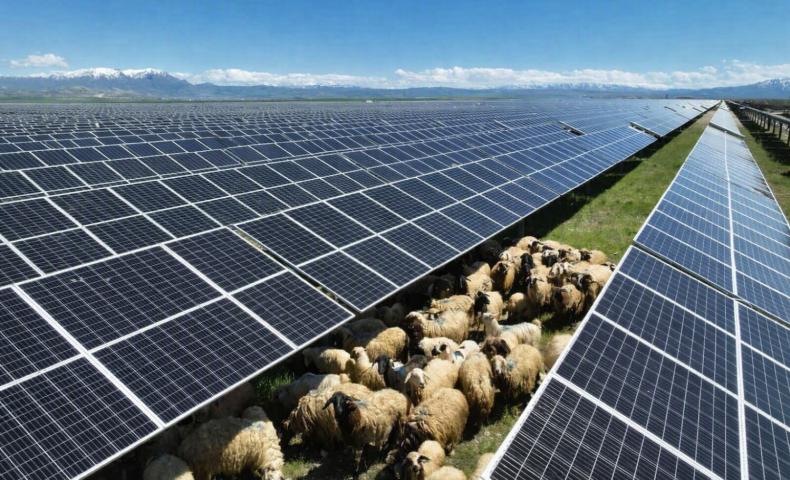
A big one. India gets plenty of sunshine, which makes room for rooftop systems, commercial projects and utility-scale solar parks.
For a household, rooftop solar can produce power on-site and may bring bills down. How much depends on system cost, your usage, local tariffs and current policies.
Businesses can use solar to manage energy costs and work toward their sustainability goals. And the sector itself creates work in engineering, manufacturing, installation, operations and maintenance.
If you’re an enthusiast, one useful thing you can do is learn how these options work and help others figure out which one suits them.
5. How can someone become a renewable energy enthusiast?
You don’t need a career switch or expensive equipment. Start by understanding the basics and how they apply in real life. A few ways in:
- Learn how solar, wind and other technologies actually generate electricity.
- Follow credible sources on energy policy, climate action and new technology.
- Check how much power your home uses and where it’s wasted.
- Join local environmental awareness activities.
- Take a course in sustainability, electrical engineering or clean energy.
- Talk to people who work in renewables and ask what the job is really like.
Steady learning beats chasing trends. A solid foundation helps you make good decisions and share information people can trust.
6. Can renewable energy create career opportunities for young people?
Yes, and not only for engineers. As projects get built and maintained, companies need people with all sorts of skills.
Roles include solar project engineering, electrical design, energy management, research, manufacturing, project finance, business development and sustainability consulting.
Young people can get ready by building technical knowledge, communication skills and a feel for how energy systems work. Internships, academic projects and time spent around the industry all count for a lot.
Starting your own venture is another route. Someone who understands what their area needs might spot an opening in solar services, energy efficiency or project development.
7. How can businesses support renewable energy and sustainability?
A good first step is looking honestly at how the business produces and uses energy. Depending on the operation, that might mean rooftop solar, buying renewable electricity, switching to efficient equipment, or running regular energy audits.
What works best depends on your power needs, available space, budget and the rules where you operate.
Companies can also look at energy use across their supply chains, track environmental performance and set goals they can measure. Open reporting lets stakeholders see progress and spot gaps.
Leadership matters most here. Sustainability should sit inside long-term planning, not be treated as a marketing exercise.
8. How does Simarpreet Singh contribute to renewable energy awareness?
Simarpreet Singh is an entrepreneur and business leader who serves as Executive Director and CEO of Hartek Group. He also founded Hartek Solar, which focuses on rooftop solar solutions. His background spans power infrastructure, manufacturing and renewable energy. His official website tells more about his journey, achievements and interest in sustainable development.
His path shows how business leadership and clean energy infrastructure can meet. For young professionals and first-time entrepreneurs, it’s a reminder to learn the industry’s real challenges, build practical skills, and keep long-term goals in view.
Learning from people already working in the sector is one of the quickest ways to see how an idea becomes a real project.
9. What challenges does the renewable energy sector face?
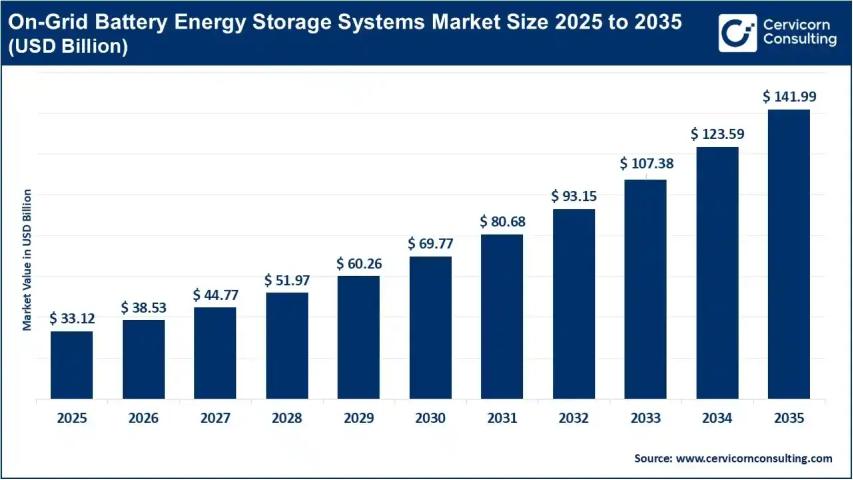
Plenty. Solar and wind depend on the weather, so storage, flexible power systems and dependable transmission lines matter a great deal.
Projects also run into land constraints, financing trouble, equipment supply problems and slow approvals. Fitting renewable power into the existing grid takes careful planning and steady investment. And equipment needs proper maintenance and responsible recycling once it reaches the end of its life.
No single group can fix all this. Policymakers, energy companies, researchers, investors and local communities have to work together. Enthusiasts can help by keeping the conversation balanced instead of selling renewables as a solution with no downsides.
10. How can individuals make sustainability part of everyday life?
It starts with small habits. Switch off equipment you aren’t using, pick energy-efficient appliances, cut unnecessary consumption and think before you buy.
If it suits your property, look into renewable electricity or check whether rooftop solar is practical for your home.
You can also back local environmental efforts, reduce waste, and share reliable energy-saving tips with family and friends.
Let’s be realistic: not every action carries the same weight, and individual choices can’t solve big environmental problems alone. But good habits, combined with changes in infrastructure, business practice and public policy, do add up to lasting progress.
Learn More About Simarpreet Singh and His Work in Renewable Energy
A sustainable future needs informed decisions, responsible leadership and people willing to keep learning. Maybe you’re a student curious about clean energy, an entrepreneur weighing new opportunities, or a business leader working toward sustainability goals. Understanding renewable energy is a good place to begin.
Simarpreet Singh’s career connects entrepreneurship, power infrastructure and renewable energy development. Visit us to read more about his work, his views on sustainability, and his commitment to a better future for coming generations.
For speaking opportunities, collaborations, interviews or conversations about entrepreneurship, leadership and renewable energy, head to the contact section on the official website and get in touch.