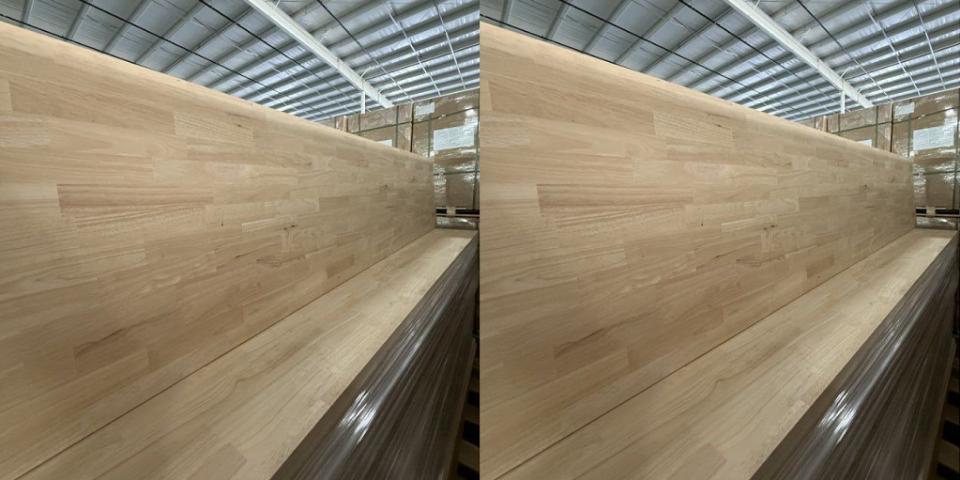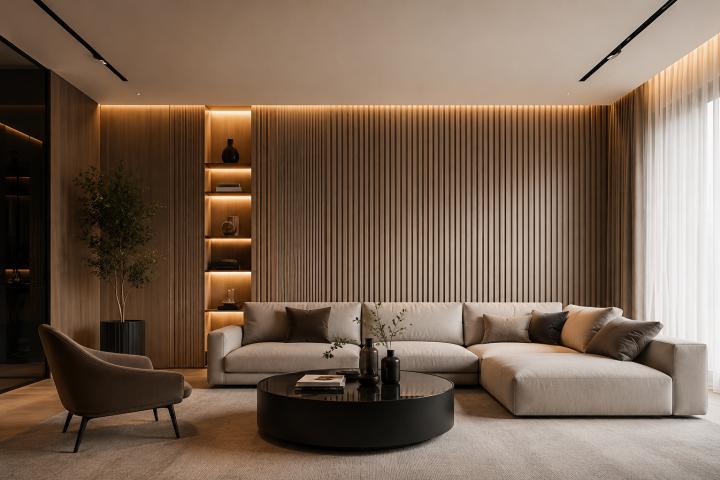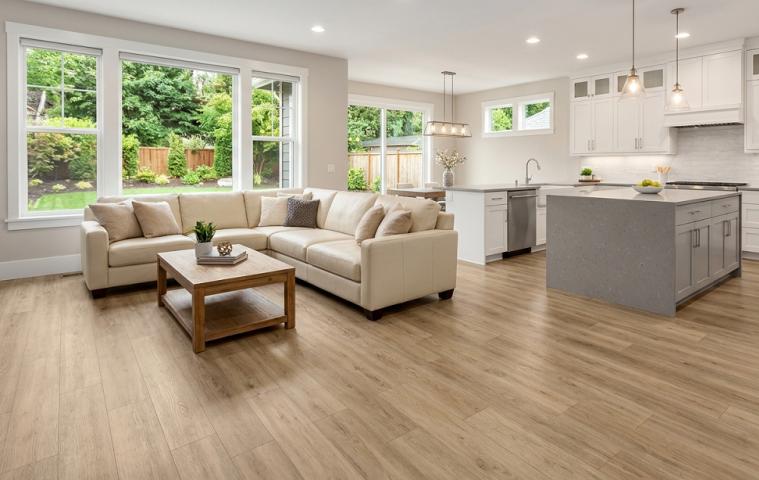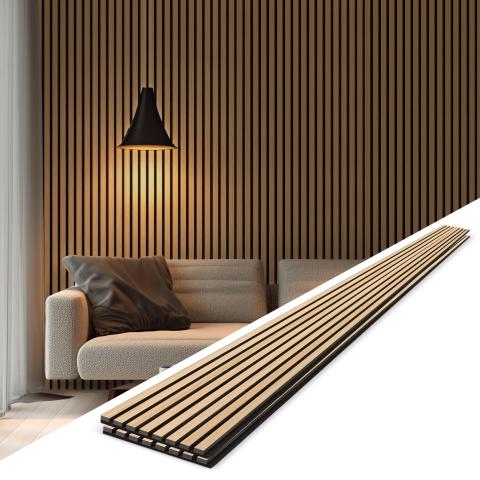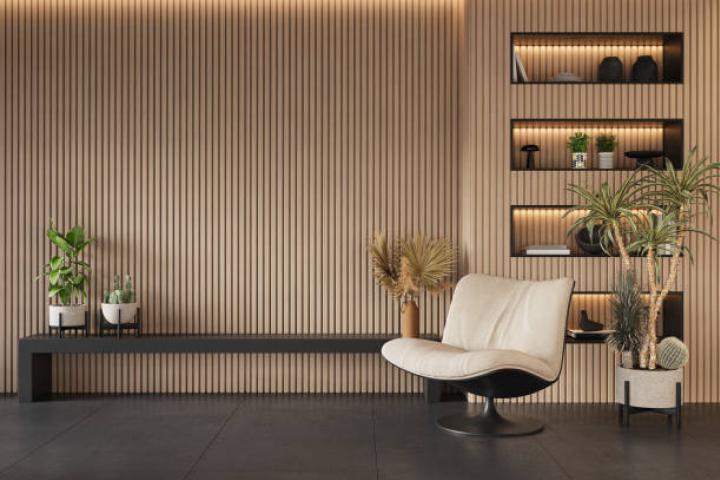

In the world of modern architecture and interior design, one timeless material continues to captivate designers and occupants alike—wood. While it has always been celebrated for its aesthetic warmth, structural versatility, and natural charm, wood is now gaining renewed attention for a more technical reason: its acoustic capabilities. Enter the realm of Wooden Acoustic Panels, where beauty meets science to create atmospheres that are not only visually striking but acoustically optimized.
The Resurgence of Wood in Acoustic Design
Noise pollution is an increasing concern, especially in urban settings, commercial buildings, educational institutions, and hospitality environments. With open-plan offices and minimalistic interiors dominating the design landscape, reverberation and poor sound quality have become common issues. That's where Acoustic Wood Panels come into play.
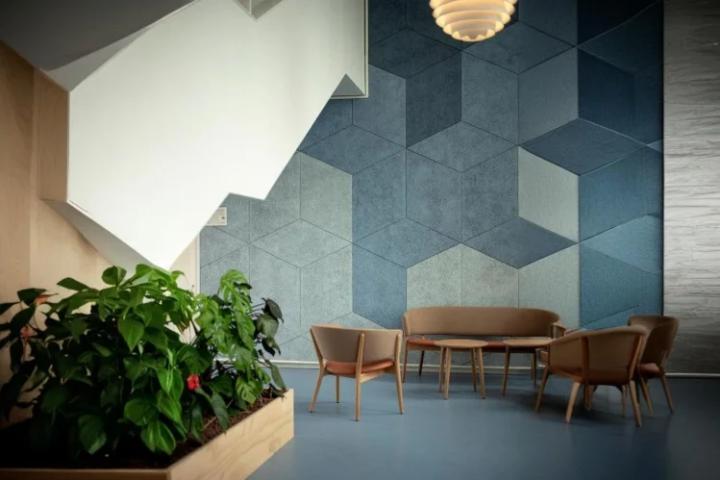
Architects and designers are now turning to Wood Acoustic Paneling as a natural solution to control sound while adding an elegant, earthy aesthetic to spaces. These panels help absorb sound, reduce echoes, and enhance overall acoustical performance—without compromising on >
Key Features of Wooden Acoustic Panels
The rise in popularity of Wooden Acoustic Panels isn't just about looks—these panels come packed with performance-enhancing features that make them a standout choice across sectors.
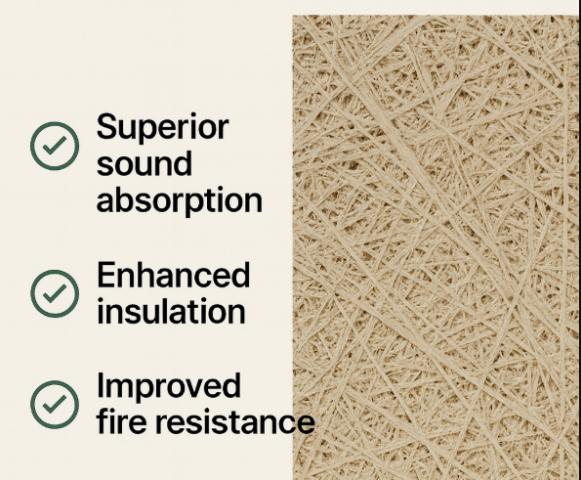
Superior Sound Absorption
Thanks to their slatted or perforated design backed with acoustic insulation, Acoustic Wood Panels trap and break up sound waves, significantly reducing noise levels and improving speech clarity.
Natural Aesthetic Appeal
Wood adds unmatched warmth and texture to interiors. With Wood Acoustic Paneling, spaces feel more welcoming, premium, and connected to nature.
Customizable Designs
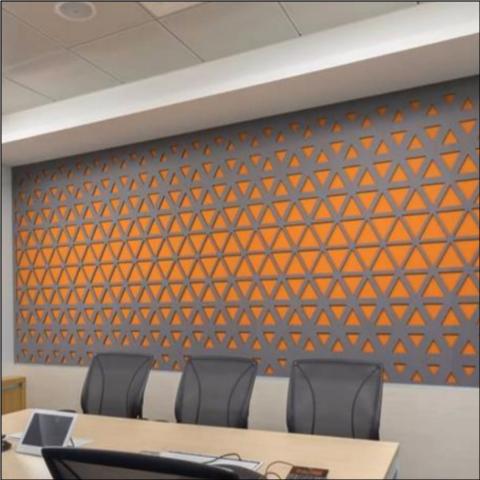
From color finishes to shapes, slot widths to perforation patterns, Wooden Acoustic Panels are highly customizable to meet diverse design themes and acoustic demands.
Sustainable Material Choice
Many panels are made from sustainably sourced wood and low-VOC finishes, aligning with green building standards such as LEED and WELL.
Thermal Benefits
Besides sound control, wood inherently offers thermal insulation, helping regulate indoor temperatures and reduce HVAC loads.
Durability & Easy Maintenance
With protective finishes, Wood Acoustic Paneling resists wear and is easy to maintain—just a simple wipe down keeps it looking fresh.
Flexible Installation
Panels are available in wall-mounted, ceiling-suspended, and even modular freestanding systems—offering flexibility across various architectural typologies.
Applications Across Architectural Spaces
One of the most appealing aspects of Wood Acoustic Paneling is its versatility. These panels are not one-size-fits-all; they can be tailored to suit the acoustic and aesthetic needs of various environments.
Corporate Workspaces: With hybrid working and collaboration-focused environments becoming the norm, controlling ambient noise is more critical than ever. Acoustic Wood Panels help create zones of acoustic comfort—meeting rooms, focus areas, and breakout zones—allowing for better productivity and employee well-being.
Educational Institutions: Classrooms, auditoriums, and libraries benefit significantly from Wooden Acoustic Panels, as they enhance speech clarity and reduce background noise. Students and educators experience fewer distractions, leading to improved learning outcomes.
Hospitality and Retail: From restaurants buzzing with conversation to hotel lobbies bustling with guests, sound control is crucial to customer experience. Wood Acoustic Paneling softens the space, making it more inviting and calming without losing its visual appeal.
Residential Spaces: With the growing popularity of home theaters and work-from-home setups, even homes are seeing a rise in acoustic treatments. Wooden Acoustic Panels not only solve acoustic challenges but also elevate the interiors with their natural grain and warmth.
Design Versatility Meets Sustainability
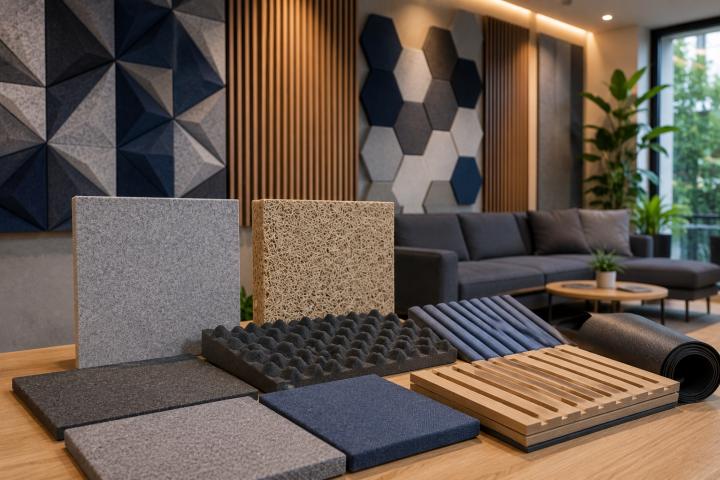
One of the biggest strengths of Wood Acoustic Paneling is its aesthetic adaptability. Available in various finishes, grains, colors, and patterns, these panels can match both contemporary and traditional interiors. Whether it’s a rustic oak finish for a cabin->
Moreover, Wooden Acoustic Panels are often made from sustainably sourced timber and can be finished with eco-friendly coatings, aligning with the growing emphasis on green building practices. This makes them an ideal choice for projects aiming for LEED or WELL certifications.
Customization is Key
Today’s acoustic solutions are far from generic. Designers can now customize Acoustic Wood Panels to suit exact design needs. Whether it’s curved panels for a futuristic concert hall or slatted geometries for a chic café, manufacturers offer a range of modular, bespoke options.
The customization extends beyond form to function. Panels can be engineered for specific Noise Reduction Coefficients (NRC), depending on the desired level of sound absorption. This means that whether you’re aiming to soften the hum in a co-working space or completely isolate sound in a podcast studio, there’s a Wood Acoustic Paneling solution for that.
Installation and Maintenance
Beyond their functional and aesthetic advantages, Wooden Acoustic Panels score high on ease of installation and maintenance. They can be mounted on walls, ceilings, or even free-standing frames, depending on the spatial requirement. Panels typically come with modular fixing systems, reducing installation time and labor costs.
When it comes to maintenance, Wood Acoustic Paneling is relatively low-maintenance. A periodic dusting or gentle cleaning is often all that’s required to maintain its appearance and performance for years.
A Symphony of Nature and Innovation
In a world increasingly dominated by artificial materials and digital noise, Wooden Acoustic Panels offer a much-needed return to nature—without sacrificing the needs of modern living. They embody a unique synergy between natural elegance and technological innovation, proving that performance and aesthetics can indeed coexist.
For architects, interior designers, and acoustic consultants, the message is clear: when it comes to designing acoustically sound and visually captivating spaces, Acoustic Wood Panels are not just a choice—they're a statement.
Conclusion
As design trends continue to evolve toward more sustainable, health-focused, and experience-driven spaces, Wood Acoustic Paneling stands at the intersection of form and function. Whether you're reimagining a co-working space, designing a high-end hotel, or optimizing a school auditorium, the use of Wooden Acoustic Panels can dramatically transform both how a space looks and how it sounds.
So next time you're planning an architectural masterpiece, remember the quiet power of wood—it might just be the acoustic solution you didn't know you needed.