A Trail of Many Worlds
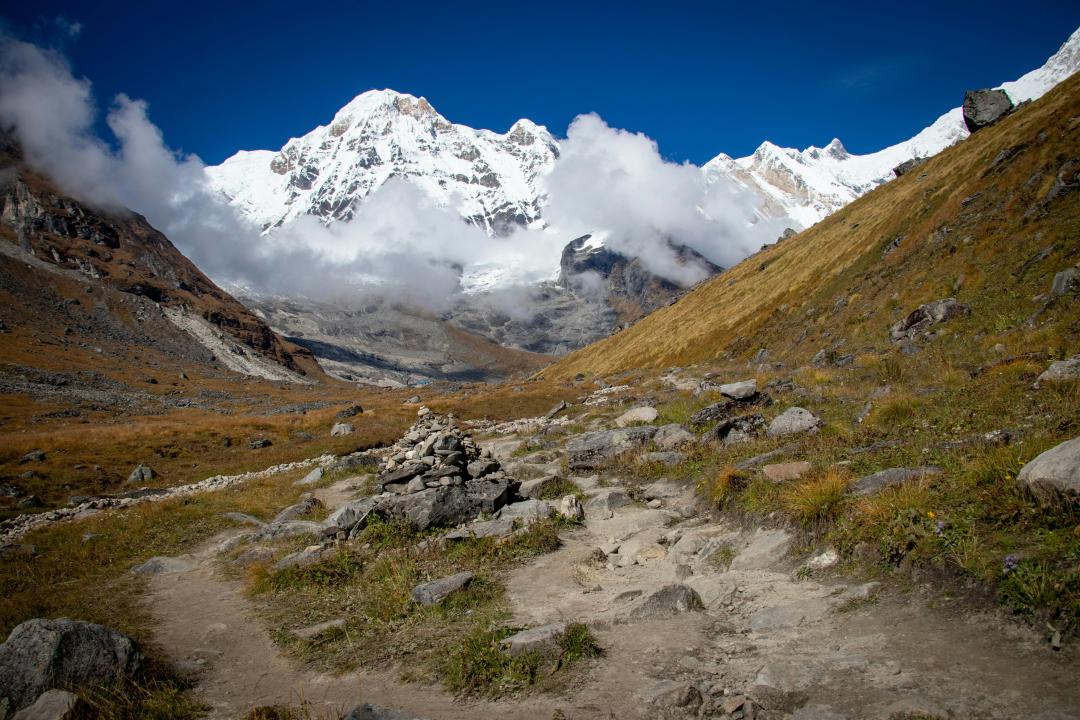
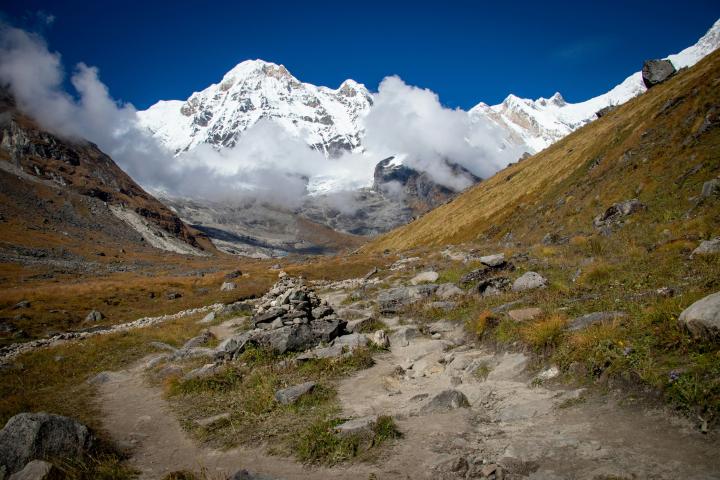
There are few places on Earth where you can walk from lush green rice fields to frozen high mountain passes—on foot, without ever taking a vehicle. The Annapurna Circuit is one of them.
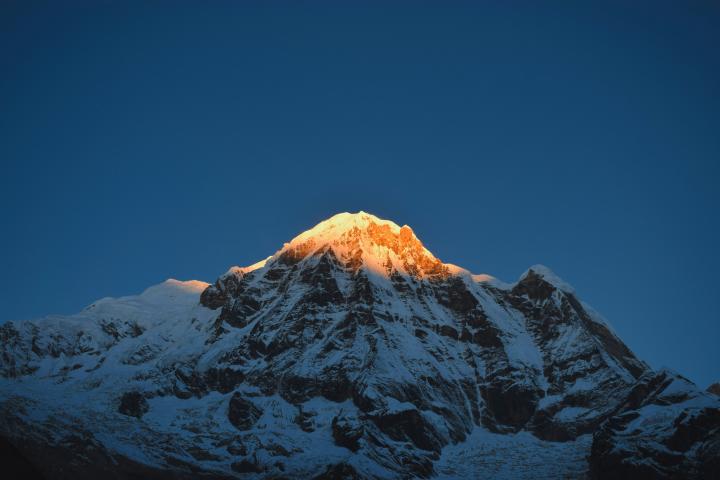
This trek isn’t just about covering distance. It’s about moving through layers of earth, air, and culture. One moment, you’re following a river in a warm valley. A few days later, you’re crunching over snow, staring up at peaks that scrape the sky.It’s not a straight line. It’s a circle. And circles have a way of bringing you back changed.
The Quiet Shift
I didn’t fully understand it at first. The change is slow—so quiet you barely notice it.
It wasn’t just my body getting stronger. It was my mind getting softer. The noise I carry in my daily life—the to-do lists, the alerts, the constant need to move fast—started to fade.
With each passing village, with each bowl of dal bhat, I found myself breathing a little easier. Sleeping deeper. Talking less, and listening more. Especially to the silence.
Not Just a Trek—A Tapestry
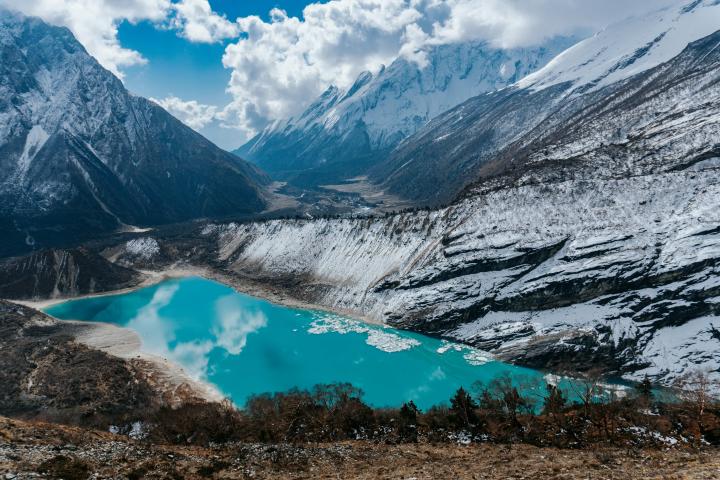
The Annapurna Circuit is full of contrasts that somehow blend into harmony.
You walk through Tibetan->
This isn’t just a trail. It’s a living, breathing tapestry of people, land, and spirit.
The Numbers That Ground the Journey
Though it feels like a dream in motion, here’s what the trek actually includes:
Trek Duration: 17 days (more, if you explore side routes)
Distance: Around 160 to 230 km (100–145 miles), depending on where you start and end
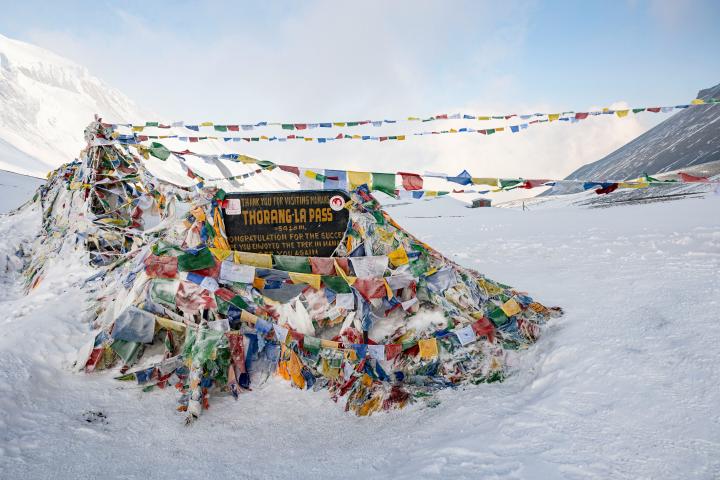
Highest Point: Thorong La Pass at 5,416 meters (17,769 ft)—a thin-air, high-stakes crossing
But these numbers only measure the “outside” journey. The inner journey has no stats. No trail map. No timeline.
The Pass That Breaks You—and Builds You
It’s hard to describe Thorong La Pass without sounding dramatic. But that’s the thing—it is dramatic.
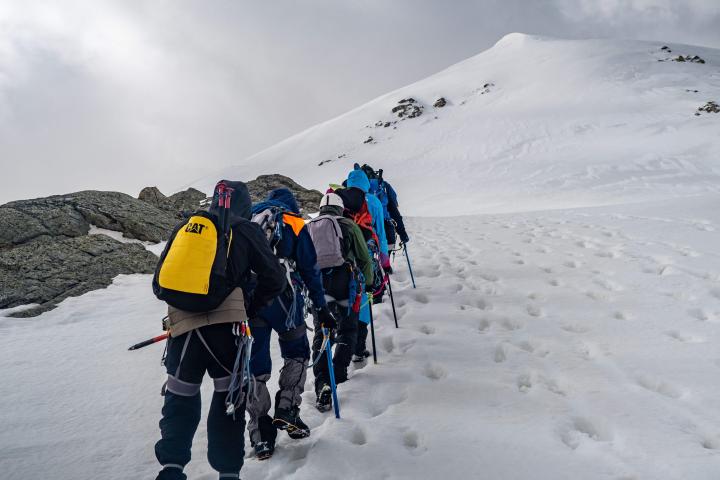
I remember the cold wind biting my face, and how the oxygen seemed to vanish from the air. I remember stopping every few steps to catch my breath.
And I remember the moment I reached the top. There were no fireworks, no loud cheers. Just prayer flags flapping wildly in the wind, and a raw sense of awe.
I wasn’t proud. I was humbled. There’s a difference.
One Conversation, One Realization
In a teahouse not far from Manang, I sat beside an older man from France. We had both walked far, and both had little energy to chat. But something he said stuck with me:
“We all think we’re going somewhere up here. But maybe we’re just walking back to ourselves.”
I smiled, nodded, and didn’t say much. But later, under the stars, his words came back to me. That’s what this trek was doing. It wasn’t about escaping life—it was about returning to it. More clearly. More quietly.
Circling Back
We finished the circuit where rivers ran wide and the landscape felt more familiar again. But something in me had changed.
The trail had taught me how to live slower. How to breathe deeper. How to let discomfort teach me rather than fight it.
I came to Nepal looking for altitude. What I found was depth.
Final Thought
The Annapurna Circuit doesn’t give you a finish line. It gives you perspective. It’s a loop—but not the kind that keeps you stuck.
It’s a circle that frees you.