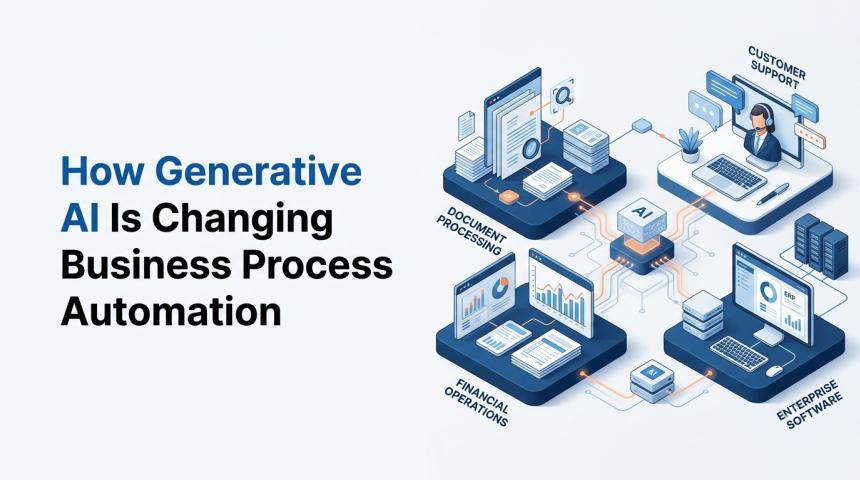
Generative AI is changing how businesses manage daily operations by helping teams reduce manual work and handle complex tasks faster. Traditional automation follows fixed rules and predefined steps. Generative AI..
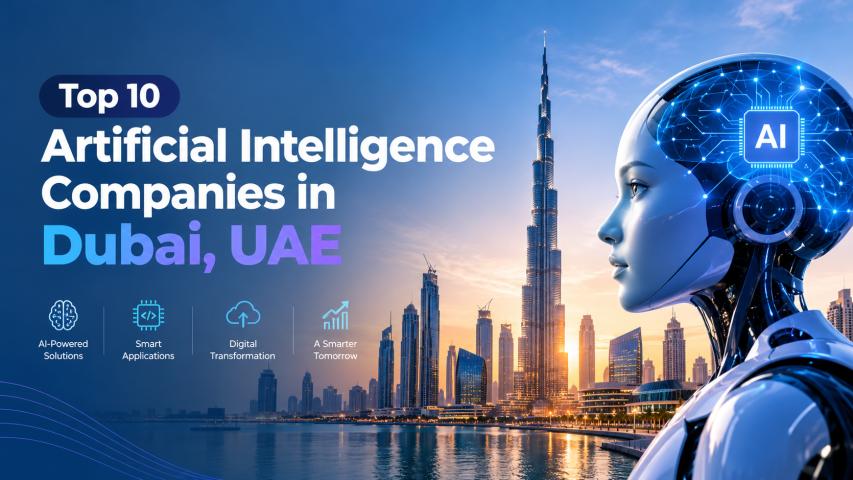
Artificial intelligence is transforming how businesses operate, automate tasks, and serve customers. According to KPMG’s 2025 research, 97% of surveyed UAE respondents reported using AI for work, study, or personal..
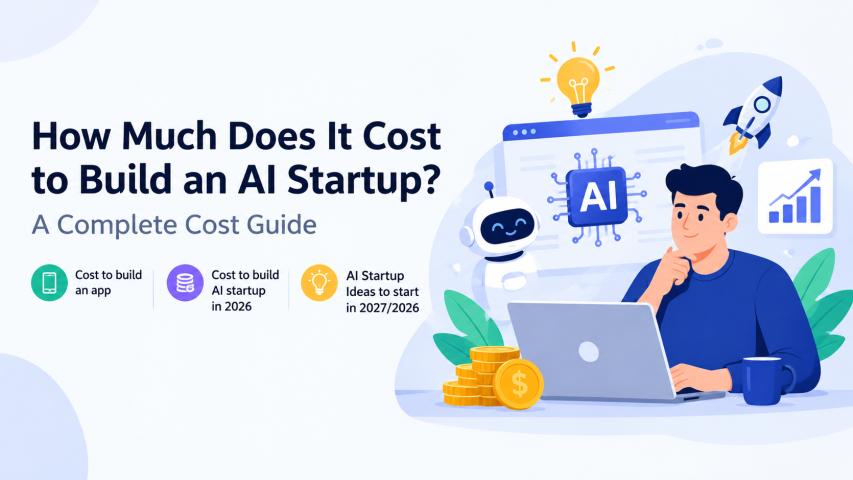
Artificial intelligence is changing the way businesses operate, serve customers, and develop new products. From intelligent chatbots and AI-powered mobile applications to automated business platforms, entrepreneurs are exploring new opportunities..
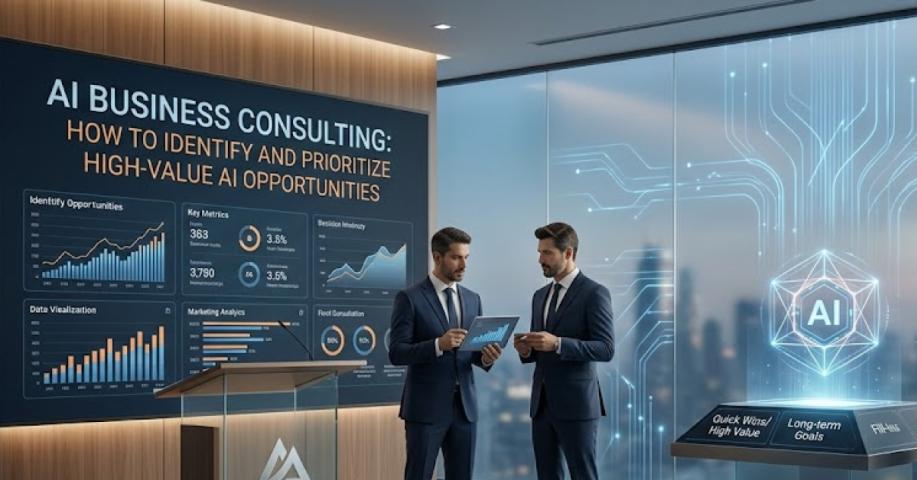
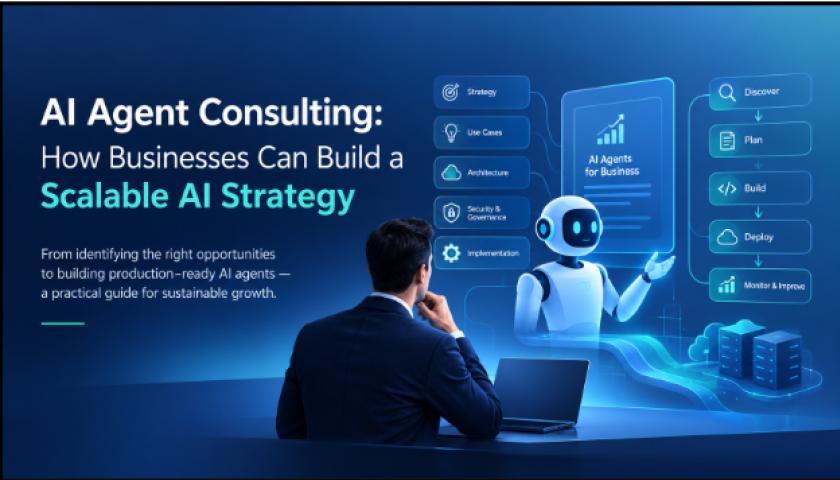
AI adoption is no longer about asking whether your business should use AI. The more important question is where AI can create measurable business value. AI business consulting helps organizations..
Generative AI has largely focused on producing responses, summarizing information, and assisting employees. The next stage is more action-oriented: AI agents can work toward defined goals, use business tools, interact..
Every modern business generates data.Customer interactions, website visits, sales transactions, employee activity, operational reports, marketing campaigns, and financial records all create valuable information. Yet having more data does not automatically..
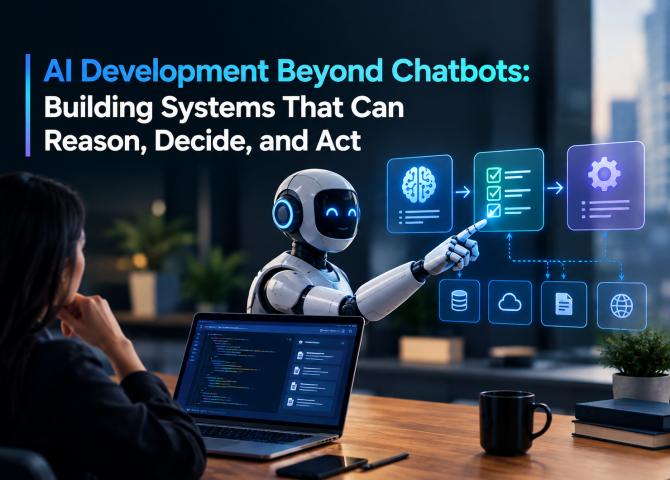
Artificial intelligence is moving beyond systems that simply respond to questions or generate content. Modern AI development is increasingly focused on building systems that can interpret context, reason over information,..
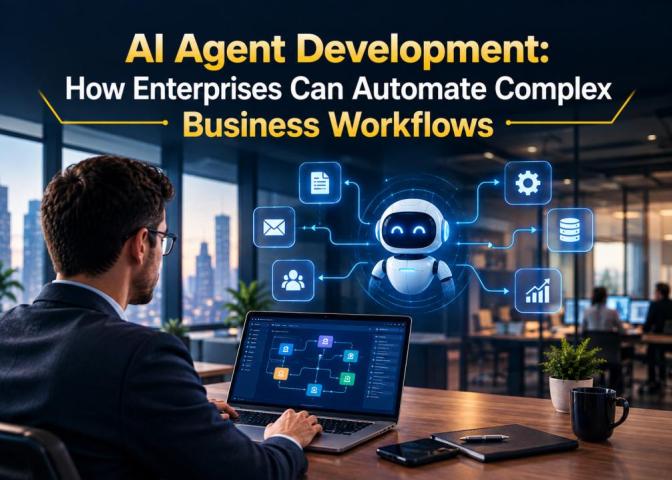
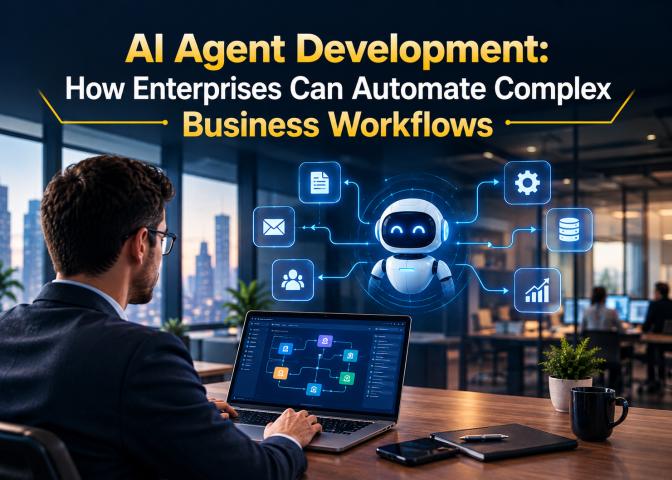
Enterprise automation is moving beyond fixed rules and repetitive task execution.AI agents introduce a different approach to automation. Instead of executing only predefined instructions, an AI agent can interpret an..
Enterprise automation is moving beyond fixed rules and repetitive task execution. Traditional workflow systems are effective when processes follow predictable paths, but modern business operations rarely remain that simple. Customer..
According to McKinsey’s 2026 State of AI survey, most organizations—about 78%—now use AI somewhere in their business. But here’s the catch: only 6% can call themselves “AI high performers.” That..
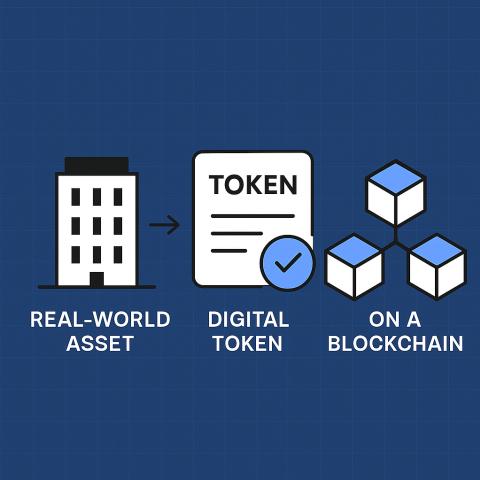
Real-world asset (RWA) tokenization is changing how businesses represent, manage, and transfer ownership of physical and financial assets. From real estate and commodities to private equity, artwork, and investment funds,..
I’ve been working in blockchain product development for years, and one of the most common questions I get is:“How do you actually build a blockchain-based gaming platform?”Not theory. Not hype...
The cryptocurrency industry continues to evolve at a rapid pace, creating new business opportunities across the globe. Among the most promising models gaining strong momentum is the P2P crypto exchange...
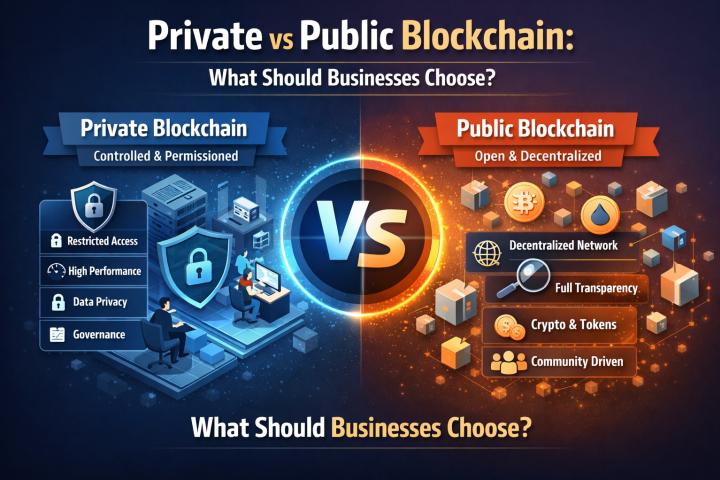
Blockchain adoption is expanding across industries—from financial services and digital payments to healthcare, logistics, and enterprise automation. As businesses explore distributed ledger technology (DLT), one fundamental question arises:Should you choose..
The gaming industry is at a crossroads. While the benefits of true asset ownership are clear, many projects fail because they prioritize the "crypto" aspect over the actual player experience...
The gaming industry has experienced a revolutionary shift over the past few years, with blockchain technology emerging as a game-changer. By integrating decentralized systems, token economies, and unique digital assets,..
Most blockchain developers thinking about quantum computing focus on one thing: the threat. Quantum computers might break our cryptography, so we need quantum-resistant algorithms. That's true, but it's only half..
Imagine being able to buy a piece of a skyscraper in New York, a share of fine art, or even a slice of your favorite sports team—all from your phone,..