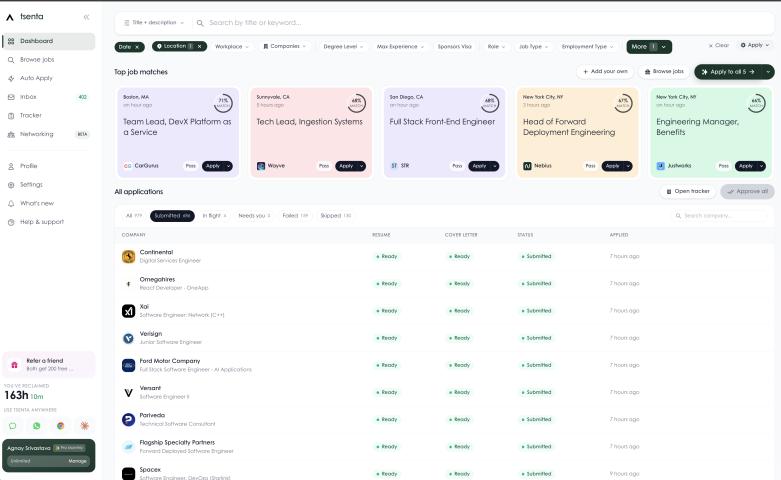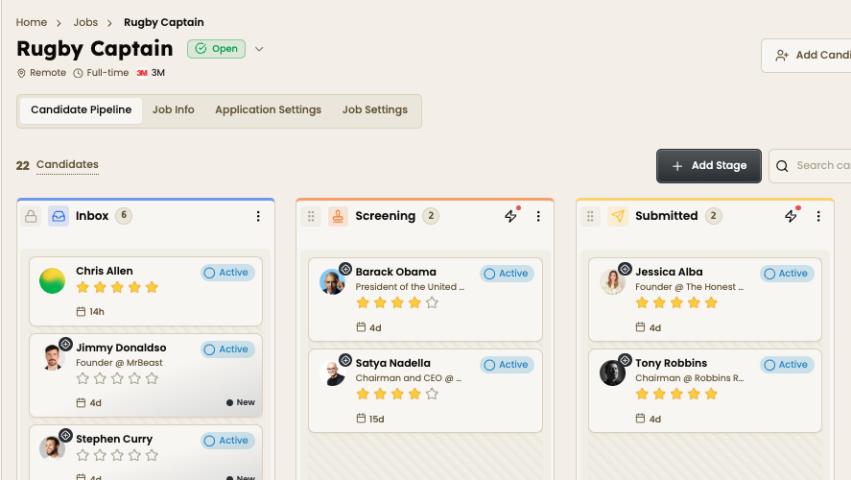

Recruitment has changed forever, or at least it will be as AI becomes more and more the norm in hiring, and applicant tracking systems are at its core. AI-powered automated tools are helping organisations computerise the highest parts of their workflows and provide quicker, better-matched candidates to make those all-important hires. Yet many organisations find it challenging to properly assess AI ATS ROI.
Misunderstanding the applicant tracking system ROI can result in bad investment decisions, unused tools and lost business opportunities. In this article, we will look at common mistakes in AI ATS ROI calculation, detail how to measure the ROI of an AI ATS and cover key metrics that define AI hiring ROI.
Why AI ATS ROI Is Often Misunderstood
Calculating the ROI of AI ATS is trickier than traditional HR software. AI tools impact several layers of the hiring process, which range from recruiter productivity and candidate experience to workforce performance and revenue lift.
And as it turns out, many companies also calculate only subscription costs and no broader benefits, such as better retention, faster hiring cycles or making hiring decisions based on data. This short-sighted view undervalues the actual AI-powered ATS ROI.
What Is AI ATS ROI?
AI ATS ROI is the financial and operational value provided by an AI-powered applicant tracking system relative to its total cost of ownership. It includes:
· Cost savings from automation
· Productivity gains from faster hiring
· Improved quality of hire
· Reduced turnover and rehiring costs
Knowing these elements is vital to knowing when it comes to measuring applicant tracking system ROI.
Common Mistakes in AI ATS ROI Calculation
1. Focusing Only on Subscription Costs
The pitfall in calculating AI ROI is only taking into account SaaS subscription fees. Teams typically put a blind focus on monthly pricing without calculating the real business impact.
What to do instead:
Add the development, training, interfacing and continued performance figures.
2. Ignoring Time-to-Hire Improvements
Few teams realise the cost impact of a quicker time-to-hire. Faster hiring also directly impacts productivity and revenue in terms of reducing losses by having an empty seat.
What to do instead:
Quantify the sales or productivity advantage of filling seats more quickly via AI ATS ROI.
3. Not Measuring Quality of Hire
One of the biggest outcomes from any AI hiring software is still ignored in ROI calculations. The tighter the fit of candidates, the greater performers they are and the lower their turnover.
What to do instead:
Monitor how AI ATS affects retention rates, performance reviews and hiring manager satisfaction to measure the ROI of an AI ATS.
4. Overlooking Recruiter Productivity Gains
An automated tracking system can easily eliminate manual tasks such as resume screening and interview scheduling. Most businesses don’t measure such productivity gains.
What to do instead:
Quantify hours per recruiter saved and turn them into cost or hiring capacity.
5. Excluding Long-Term Business Impact
AI-based hiring tools have impacts on the quality of the workforce, innovation and customer satisfaction. These long-term benefits are seldom figured into the ROI of an applicant tracking system.
What to do instead:
Tie AI hiring results to business KPIs, including revenue per employee, project delivery speed and customer satisfaction scores.
How to Measure AI ATS ROI Accurately
To measure AI ATS ROI, metrics should be comprehensive, incorporating both financial, operational and strategic measures for it to be measured.
Step 1: Calculate Total Costs
Be sure to account for all AI ATS costs:
- Software subscription fees
- Setup and integration costs
- Training and change management
- Ongoing maintenance and upgrades
Step 2: Quantify Direct Cost Savings
- Reduced recruiter hours
- Lower agency fees
- Reduced job board spend
- Lower administrative overhead
Step 3: Measure Productivity Gains
Measure productivity gains from faster hiring and lower time-to-fill. This includes:
- Faster team time to market revenue
- Lower productivity cost of vacancies
Step 4: Measure Quality and Retention Impact
And last but not least, measure the cost savings yielded by better retention and performance. Include:
- Reduced rehiring and onboarding costs
- Increased employee performance and output
Step 5: Apply the AI ATS ROI Formula
AI ATS ROI (%) = (Total Benefits – Total Costs) ÷ Total Costs × 100.
The above formula helps you understand How AI enabled ATS ROI looks like, in terms of money.
Key Metrics That Define AI Hiring ROI
Measuring the right metrics is key to calculating AI ATS ROI. Here are some of the key indicators by which AI hiring ROI is being defined:
1. Time-to-Hire
Days to Fill Measures how long it took to fill a role. This figure is heavily decreased with AI-automation.
2. Cost-per-Hire
Recruiter salaries, along with advertising costs and agency fees. Artificial intelligence (AI) cuts down on these costs through automation.
3. Quality of Hire
Quantified in terms of performance rating, retention rate and hiring manager feedback.
4. Recruiter Productivity
Records the number of hires per recruiter and how many hours are saved through automation.
5. Candidate Experience
Assessed by surveys, acceptance rates, and engagement numbers.
6. Retention Rate
The use of AI-driven matching leads to better retention and, therefore, significantly reduces long-term hiring costs.
The Role of AI Hiring Software and Automated Tracking Systems
AI recruiting software and tracking systems of today turn the hiring into no longer manual work, but into data work. These systems:
- Take the screening process and candidate ranking off your plate
- Schedule interviews and send reminders
- Provide predictive hiring analytics
- Optimise hiring funnels and workflows
Automation and analytics can help companies to drive more ROI out of AI ATS.
Real-World Examples of the ROI of AI ATS
Example 1: Faster Hiring
A firm halves its time-to-hire with the help of AI from 40 to 20 days. This speeds up project delivery, and revenue is gained faster.
Example 2: Reduced Turnover
AI enhances candidate-job fit and lowers turnover by 15%. Because of this renewed training that maintained knowledge don’t have to be rehired at a later date.
Example 3: Recruiter Scalability
Automation allows a single recruiter to handle two times the volume, meaning fewer humans within HR.
How Teams Can Avoid Pitfalls on AI ATS ROI
Establish Baseline Metrics
To accurately monitor the gains afterwards, measure before AI is implemented.
Integrate HR and Business Data
Integrate recruiting metrics with financial and performance dashboards which illustrate business impact.
Monitor ROI over Time
AI ROI grows as models are trained and workflows evolve. Measure ROI once every quarter or year, not just after roll-out.
Train Recruiters and Hiring Managers
The right training can also ensure that AI tools are utilised to their full extent, which is key for getting the most out of an AI-powered ATS ROI.
Long-Term Strategic Value of AI ATS
In addition to immediate savings, AI-powered hiring systems provide strategic value over the long term:
- Better workforce planning
- Data-driven hiring strategies
- Improved employer branding
- Increased organizational agility
These advantages have the effect of greatly increasing the applicant tracking system ROI over time.
Future Trends in AI ATS ROI Measurement
As AI continues to mature, companies will measure ROI through Modern analytics (for example)
- Predictive workforce analytics
- AI-driven retention forecasting
- Revenue per hire metrics
- Real-time hiring performance dashboards
These advancements will enable a more comprehensive analysis of the ROI of AI ATS.
Final Thoughts: Turning AI ATS into a Strategic Investment
Misinterpretation of AI ATS ROI is a problem many HR teams face and one that’s preventable with the right metrics, formulas and data integration. By steering clear of the common mistakes in AI ATS ROI calculation, companies can effectively assess their return from AI investments.
To really measure AI ATS ROI, potential buyers should also look at cost savings, productivity increases, quality of hire and long-term business effects. Our customers’ ability to monitor critical KPIs for AI hiring ROI means that AI-enabled hiring translates into quantifiable business value.
Whether you’re with sophisticated AI hiring software or a newfangled ATS, understanding and maximising ROI turns recruitment technology into a game-changing business-growth machine.
Also Read Relatable Articles:
What Changes After AI Enters Your Hiring Process
10 Common Recruitment Funnel Issues and How to Fix Them
Types of Software Used by Staffing Agencies & How to Find Your Best Fit