The digital revolution has entered a new phase where artificial intelligence isn't a luxury—it's a necessity for survival. A custom AI app development company stands at the forefront of this shift, working with organizations across sectors to build intelligent systems tailored to their specific operational needs. Unlike generic software solutions that force companies into predetermined workflows, custom artificial intelligence app solutions are designed from the ground up around your business requirements, data, and goals. This approach creates applications that don't just work—they become integral to how modern industries operate, compete, and succeed in an increasingly digital world.
The Evolution of AI in Modern Industries
The journey of artificial intelligence across industries tells a story of adaptation and innovation. A decade ago, AI was theoretical. Today, it's operational. Across manufacturing, healthcare, finance, retail, and logistics, businesses are deploying machine learning app development solutions that solve real problems and generate measurable returns. The shift from theory to practice happened because companies realized that generic AI platforms couldn't address their unique challenges. Each industry has different data types, regulatory requirements, and business logic. The solution was obvious: work with an AI software development company that understands your specific sector and can build accordingly.
Why Industry-Specific AI Matters
Different industries face fundamentally different problems. A healthcare provider needs AI that understands patient data privacy regulations, medical terminology, and clinical workflows. A manufacturing facility needs systems that predict equipment failures, optimize production schedules, and maintain quality standards. A financial services firm needs AI that detects fraud patterns, manages risk, and complies with regulatory frameworks. Generic AI platforms rarely excel at all these requirements simultaneously. When you partner with a company offering enterprise AI app solutions, you're working with teams who've solved similar problems before, understand your industry's constraints, and know what works. This expertise translates directly into systems that perform better and deploy faster than attempts to retrofit generic tools to your specific needs.
How Custom AI Development Differs from Standard Software Development
The distinction between building custom AI software development and traditional application development is more significant than many business leaders realize. While conventional software follows predefined logic—if this, then that—AI systems learn from data and make decisions based on patterns they discover. This fundamental difference requires different expertise, different development approaches, and different thinking about how to validate that systems work correctly.
The Role of Data in Custom Development
Traditional software development starts with requirements. You specify what the system should do, developers build it, testers verify it works, and you deploy it. AI development follows a different path. You start with data. The quality, quantity, and structure of your data fundamentally determines what's possible with AI. A company offering artificial intelligence app solutions begins by examining your data—what you have, what condition it's in, what's missing. They'll likely identify gaps in your data and plan strategies to address them. This upfront data work takes time but prevents costly mistakes later. Once data is prepared properly, the development team creates models, tests them against your actual data, refines them based on results, and continues this cycle until performance reaches acceptable levels. This is iterative in ways traditional development rarely is.
Building Models That Perform in Production
One of the biggest gaps between proof-of-concept AI projects and actual production systems is the difference between laboratory performance and real-world performance. A machine learning model might perform perfectly on test data but struggle when deployed because the production environment introduces variations the training data didn't capture. Professional AI application development services account for this by designing systems with monitoring, gradual rollout procedures, and feedback mechanisms that alert your team to performance degradation. They build in safeguards so the system fails gracefully rather than spectacularly. This production-ready thinking is what separates consulting firms that deliver working systems from those that deliver impressive demos.
Industries Being Transformed by Custom AI Solutions
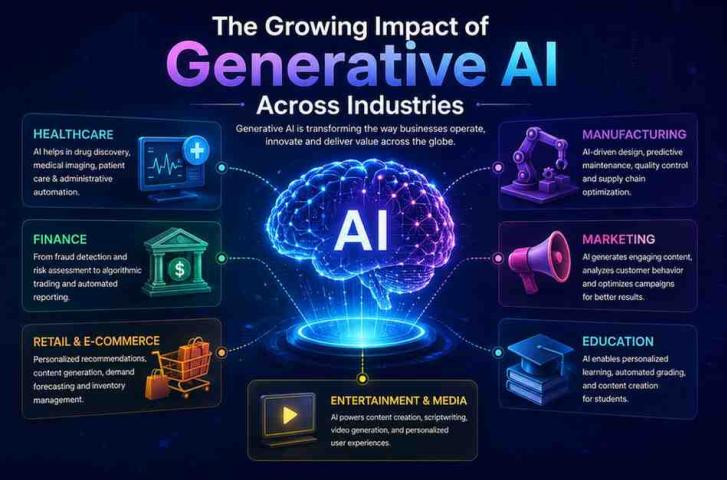
The impact of AI extends across virtually every industry, but the applications differ based on sector-specific needs. Understanding these real-world transformations illustrates the potential within your own organization.
Manufacturing and Supply Chain Optimization
Manufacturing companies deploy AI mobile app development solutions and backend systems to predict equipment failures before they occur, potentially saving thousands in unexpected downtime. AI systems analyze sensor data from machinery, recognizing patterns that precede breakdowns. Maintenance teams shift from reactive responses to predictive maintenance, scheduling service before problems develop. Supply chain optimization uses AI to forecast demand, optimize inventory levels, and identify supply disruptions before they impact production. Companies report efficiency gains of 10-30% depending on implementation scope. These aren't theoretical gains—they're measured in hours of prevented downtime and reduced waste.
Healthcare and Diagnostic AI
Healthcare institutions use AI to assist with diagnostics, predict patient readmissions, and optimize staff scheduling. Machine learning models trained on medical imaging can identify abnormalities with accuracy matching or exceeding human radiologists. AI systems that analyze patient histories predict which patients are at high risk of readmission, allowing preventive interventions. Hospitals deploy AI scheduling systems that optimize staffing while respecting preferences and ensuring adequate coverage. The business impact includes improved patient outcomes, reduced costs, and better staff satisfaction. A custom AI app development company working in healthcare understands HIPAA regulations, medical data characteristics, and clinical workflows—essential context generic AI platforms lack.
Financial Services and Risk Management
Banks, insurance companies, and investment firms rely on AI for fraud detection, risk assessment, and customer insights. Machine learning models analyze transaction patterns, flagging suspicious behavior far faster than human review. Credit risk models assess lending decisions with greater accuracy than traditional scorecard approaches. AI systems detect money laundering patterns and regulatory violations. Insurance companies use AI to assess claim fraud, predict customer lifetime value, and optimize pricing. The financial impact is substantial—preventing just one percent of fraud losses often exceeds the cost of the entire AI system. Financial institutions have long understood the value of AI because the return on investment is so clear.
Retail and Customer Experience
Retail companies use AI to personalize shopping experiences, forecast inventory needs, and optimize pricing. Recommendation engines increase average order value by showing customers products they actually want. AI pricing systems adjust prices dynamically based on demand, competition, and inventory levels. Inventory forecasting prevents stockouts of popular items while reducing waste from overstock. Customer service chatbots handle routine inquiries instantly, freeing staff for complex issues. The competitive advantage is real—customers notice when their shopping experience feels personalized and responsive, and they reward that with loyalty and spending.
Logistics and Route Optimization
Delivery companies and logistics providers use AI to optimize routes, predict delivery times, and manage fleet maintenance. Route optimization saves millions in fuel costs annually. AI predicts which vehicles need maintenance before failures occur. Demand forecasting helps position inventory closer to customers, reducing delivery times. In an industry where margins are thin and customer expectations for delivery speed are rising, AI provides a competitive edge that's difficult to replicate without equivalent investment.
The Business Case for Custom AI: Why Generic Won't Do
Many organizations initially explore off-the-shelf AI platforms before concluding that custom development is necessary. Understanding why this pattern repeats helps you avoid the same costly experiments.
The Customization Problem
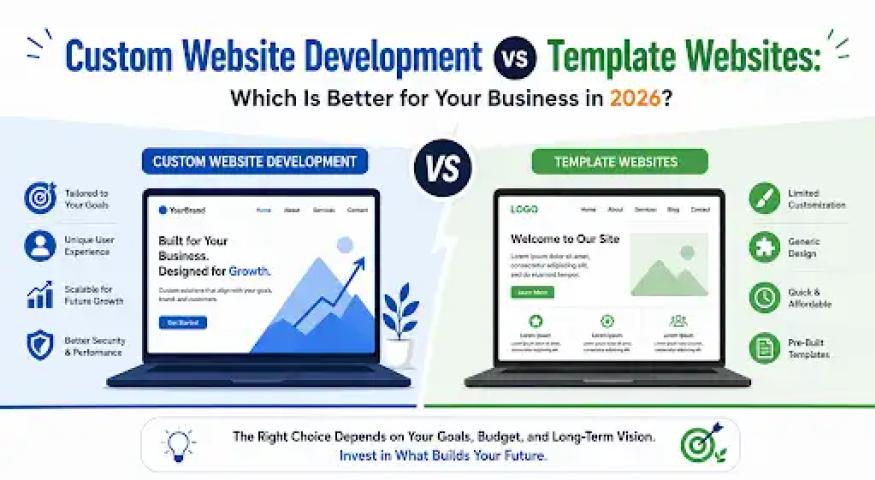
Generic AI platforms are designed for broad applicability, which means they handle common use cases reasonably well but rarely excel at anything specific. When you try to force your business requirements into these platforms, you encounter endless customization needs. Each requirement requires additional work, configuration, or workarounds. The promised quick implementation extends as project teams discover that the platform doesn't quite fit your needs. The cumulative effect is a mediocre system that cost more than expected and delivered less than hoped. Custom artificial intelligence app solutions approach this from the opposite direction—the system is built to fit your requirements exactly, with no forcing or adaptation needed.
Data Integration and Quality
Generic platforms often struggle with integrating your specific data sources. Your company might have data in multiple systems—legacy databases, cloud platforms, spreadsheets, paper records. Generic platforms have connectors for common systems but struggle with custom databases or older legacy systems. The integration work alone can consume months and significant budget. A team building custom AI software development solutions investigates your data landscape upfront, plans the integration strategy, and builds connectors specific to your systems. They don't try to force your data into a predetermined format; instead, they build systems that understand your data as it actually exists.
Regulatory and Compliance Requirements
Different industries face different regulatory requirements. Healthcare requires HIPAA compliance. Financial services require SOX compliance. Insurance requires different regulations still. Privacy regulations like GDPR and CCPA add additional requirements. Generic AI platforms apply general security practices that might not meet your specific compliance needs. A custom AI app development consulting firm understands these requirements, builds compliance into the system architecture from the start, and maintains documentation that demonstrates compliance to regulators. This isn't an afterthought—it's fundamental to the design.
Proprietary Business Logic
Your company has unique business logic that competitors don't have. Perhaps you have a specific pricing model, customer segmentation approach, or operational process that differentiates you. Generic AI platforms can't possibly encode this proprietary logic. Custom AI application development services build your specific business rules directly into the AI system, creating tools that work the way you actually operate. This isn't just about functionality—it's about maintaining your competitive differentiation within your AI systems.
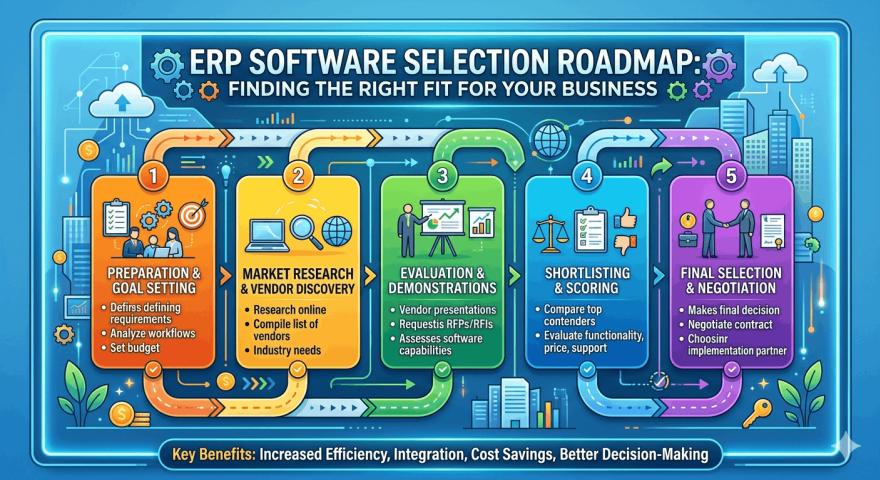
The Development Lifecycle: From Vision to Production
Successful AI implementations follow a structured path from initial conception to ongoing optimization. Understanding this process helps you plan appropriately and recognize value at each stage.
Discovery and Planning Phase
The first phase involves deep dives into your business, your data, and your goals. A consultant working with an artificial intelligence app solutions company will ask questions about current challenges, success metrics, existing systems, and constraints. They'll examine your data to understand what information exists, how reliable it is, and what gaps might need to be addressed. They'll map out your business processes to identify where AI can add value. This discovery phase typically lasts 2-4 weeks and produces a detailed assessment and recommendation. This upfront work might seem slow, but it prevents building solutions for the wrong problems—a far costlier mistake.
Design and Architecture Phase
Once the discovery is complete, architects design the AI system. They'll select appropriate machine learning models for your specific problems. They'll design data pipelines that extract information from your various sources, clean it, and prepare it for model training. They'll plan how the AI system integrates with your existing applications and databases. They'll design monitoring and alerting systems that track performance and alert teams to issues. The result is a detailed plan that guides development and keeps the project on track. For larger projects, this phase might produce documentation, architecture diagrams, and validation that the approach will work before significant coding begins.
Development and Training
With a solid design in place, developers build the system. They create the data pipelines, build the machine learning models, and construct the applications that users will interact with. Throughout this phase, they test continuously. Do the models perform well on your actual data? Do the integrations work correctly with your systems? Are there edge cases that need handling? Rather than building the entire system then testing everything at once, successful teams test continuously as they build, catching issues early when they're inexpensive to fix. The goal is having a working system ready for testing in your actual environment—a huge step forward from the earlier phases.
Testing and Validation
Before deploying AI to production, thorough testing validates that it works correctly. This includes performance testing (does it respond fast enough?), accuracy testing (does it make correct decisions?), integration testing (does it work with your other systems?), and resilience testing (what happens when something fails?). Unlike traditional software testing that validates against static requirements, AI testing includes validating against your actual data and business logic. Testing reveals whether the AI system actually solves your problems or whether refinement is needed. This phase might identify the need for additional training data, model adjustments, or process changes.
Deployment and Rollout
Deploying AI to production requires careful planning. Most successful implementations use phased rollouts rather than big-bang deployments. You might deploy to one department first, monitor performance, gather feedback, refine, then expand. This approach reduces risk and builds organizational confidence in the system. Training accompanies deployment, ensuring users understand the system and how to work with it effectively. Post-deployment support is critical during the first weeks as the organization adapts to new tools and processes.
Ongoing Optimization
Deployment isn't the end—it's the beginning of the next phase. AI systems need monitoring. Are models maintaining their accuracy or degrading over time? Are there edge cases causing unexpected behavior? Is the system performing as expected from a business standpoint? Professional AI app development consulting firms monitor continuously, looking for opportunities to improve. They gather feedback from users and identify refinements that could enhance the system. As you collect new data, they might retrain models to incorporate new patterns. This continuous optimization is what separates systems that remain valuable over years from those that gradually underperform.
The Technical Expertise Behind Successful Implementations
Building AI systems that work in production requires specialized skills. This isn't something generalist software developers can readily do after reading a few tutorials. Professional AI teams combine multiple specialized skill sets.
Data Science and Machine Learning
These specialists understand statistical modeling, understand which algorithms suit different problems, and know how to prepare data for training. They navigate the landscape of available techniques and select approaches that balance accuracy with practical requirements like speed and interpretability. They understand the mathematics underlying the models and can explain why a particular approach will or won't work for your problem. This is not entry-level work—it requires years of dedicated study and experience.
Software Engineering and Architecture
Building data pipelines, integrating systems, managing code, and designing for scale requires software engineering discipline. Data scientists might develop models in notebooks, but production systems require architecture that handles errors gracefully, scales to real-world volumes, and maintains security and compliance. Software engineers in AI teams understand how to take data science code and transform it into production-quality systems. They design for reliability, implement monitoring and alerting, and ensure systems can be updated and improved without downtime.
Domain Expertise
The best AI systems incorporate domain knowledge—understanding of your specific industry, business problems, and context. A person building AI for healthcare needs to understand medical concepts and healthcare operations. Someone building AI for manufacturing needs to understand production processes and equipment. This domain expertise ensures that the AI system makes recommendations that are not just statistically sound but practically sensible. It's the difference between a system that technically works and one that your actual users will trust and adopt.
Project Management and Communication
Large AI projects require careful coordination. Who's responsible for data preparation? Who manages integration with existing systems? Who trains users? Successful AI app development consulting firms employ experienced project managers who keep projects on track, communicate status clearly, manage scope to prevent runaway complexity, and ensure deliverables meet expectations. This leadership determines whether projects finish on time and on budget or whether they extend indefinitely while costs accumulate.
Measuring Success: ROI and Business Impact
Investing in custom AI requires significant financial commitment. Understanding how to measure success ensures you're getting appropriate returns.
Defining Success Metrics Upfront
Before development begins, you should define what success looks like. For automation projects, this might be hours of labor saved. For customer experience improvements, it might be increased retention or higher average order value. For risk management, it might be percentage of fraud prevented. Defining metrics upfront ensures that after deployment, you can measure whether the system delivered as expected. If metrics aren't defined upfront, you'll inevitably face debates later about whether the investment was worthwhile.
Short-Term vs. Long-Term Benefits
AI often delivers immediate benefits alongside longer-term advantages. A process automation system might save labor hours immediately. But over time, as the system learns from more data, it becomes more accurate and handles more edge cases, increasing benefits. A customer personalization system might immediately increase engagement. Over months, models trained on accumulated behavior data become more accurate. Understanding this timeline helps you maintain patience as benefits increase over time rather than appearing all at once.
Competitive Impact
Some AI benefits are difficult to quantify directly but critical to long-term success. A custom AI app development company might build systems that improve your competitive position in ways that don't show up neatly on financial spreadsheets initially. Perhaps you're the first in your market to offer AI-powered personalization. Perhaps you're first to automate a process competitors still handle manually. These competitive advantages create moats that protect your business. As competitors eventually attempt to catch up, they're always behind the innovation curve.
Common Pitfalls and How to Avoid Them
Organizations implementing AI for the first time often encounter predictable challenges. Learning about these in advance helps you avoid costly mistakes.
Insufficient Data Planning
The biggest reason AI projects underdeliver is insufficient data. Either the data needed doesn't exist, the existing data is too messy to use, or the volume is insufficient for training. Addressing data issues requires time and often investment in data collection or cleaning systems. Underestimating this challenge is a common mistake. When selecting an AI partner, prioritize their experience with data assessment and their willingness to spend time analyzing your actual data situation before proposing solutions.
Unrealistic Timeline Expectations
AI projects are difficult to compress without sacrificing quality. Discovery takes time. Data preparation takes time. Model training takes time. Testing takes time. Organizations that pressure contractors to compress timelines often end up with subquality systems that don't deliver expected benefits. Successful projects respect the timeline required for doing the work properly. This doesn't mean projects take years, but three to six months is a common timeframe for custom AI implementation projects of meaningful scope.
Neglecting Change Management
The technical implementation is only part of the challenge. Your organization needs to change how people work to take advantage of AI. Process changes, training, and change management are critical. Systems that ignore the human element—failing to train users adequately or failing to change processes to accommodate new capabilities—often underdeliver because users don't adopt them. The best technical system fails if your team doesn't understand how to use it.
Insufficient Ongoing Support
Deploying AI and walking away guarantees degradation. AI systems need monitoring, maintenance, and occasional model retraining. Budgeting for ongoing support—whether internal staff or external partners—ensures systems maintain performance over years. The cost of ongoing support is modest compared to initial development but essential to long-term success.
The Strategic Importance of AI Capability
As AI becomes mainstream, the question shifts from whether you need AI to how quickly you can build organizational AI capability. Companies that invest early develop expertise that becomes increasingly valuable.
Building Internal AI Literacy
When you work with an external AI app development company, you have an opportunity to build internal expertise. Engaging your staff in the project, having them involved in testing and validation, and training them thoroughly creates internal knowledge. Over time, you might develop internal AI capability that reduces your dependence on external partners. The best external partners recognize this and actively work to transfer knowledge to your team, seeing it as investment in a long-term relationship.
Creating Organizational Advantage
Companies with AI capabilities integrated throughout their organization operate differently than competitors relying on manual processes and decisions. Once your organization has AI systems in place and your teams have adapted to working with AI, you've fundamentally changed what's possible. You can serve customers faster, respond to market changes quicker, and operate more efficiently. These advantages compound over years. Your custom AI app development partners help create these capabilities, but you own and benefit from them long-term.
Staying Ahead of Competitive Threats
In virtually every industry, AI is changing the competitive landscape. Early adopters gain advantages that become harder to overcome as time passes. Companies investing in custom artificial intelligence app solutions today position themselves as leaders in their markets. Companies that wait face the risk that by the time they start their own projects, competitors have already optimized their operations with AI and built capability that's difficult to match.
Choosing the Right Development Partner
Not all AI development firms are equal. The quality of your partnership fundamentally determines your outcomes.
Look for Relevant Experience
Seek partners who've completed projects similar to yours—not just in technology but in industry and problem domain. A firm that's built AI systems for healthcare companies will understand your healthcare challenges far better than a firm whose experience is primarily in retail. Ask for references and speak directly with previous clients about their experience. Ask about projects that succeeded and projects that didn't—how they learned and improved matters as much as successes.
Assess Communication and Collaboration
The best technical team can struggle if communication is poor. During your initial conversations, assess how clearly they explain concepts. Do they listen to your requirements or push predetermined solutions? Do they ask good questions that show they're trying to understand your business? Do they acknowledge risks and challenges or do they oversell capabilities? The firms worth trusting are those that communicate clearly, listen attentively, and are honest about both possibilities and constraints.
Understand Their Approach to Your Success
Partners truly invested in your success approach projects differently than those simply collecting fees. They care about whether the system delivers value. They plan for knowledge transfer so you're not permanently dependent on them. They establish ongoing relationships rather than disappearing after deployment. When evaluating partners, ask about their approach to ensuring your long-term success, not just project completion.
The Future of AI and Industry Transformation
AI capability is advancing rapidly. Systems that couldn't be built five years ago are routine today. This acceleration will continue. Organizations building AI capability now position themselves advantageously for an AI-driven future.
Emerging Applications and Capabilities
Generative AI opens new possibilities that didn't exist previously. Custom generative AI systems can create content, draft communications, and assist in complex analysis. Computer vision systems are becoming more sophisticated and easier to deploy. Natural language processing can understand and respond to complex queries. These emerging capabilities will integrate into mainstream business applications. Early adopters will have already developed experience and capability when these tools mature.
Staying Competitive in an AI-First World
Within the next five years, AI won't be a differentiator—it will be table stakes. Companies operating without AI in their core operations will struggle to compete against those who have integrated AI throughout. This doesn't mean every company needs to build custom AI for every application. But critical operations—where AI can meaningfully improve outcomes—will require it. Starting your AI journey now means you're building capability before it becomes mandatory.
Conclusion: Your Path Forward
Custom AI app development company partnerships offer modern organizations a pathway to capabilities that generic solutions simply cannot provide. When you work with a company that understands your industry, your challenges, and your data, you're not buying software—you're investing in transformation. The systems they build become part of how your organization operates, compete, and succeed.
The question isn't whether your business needs AI. The question is how quickly you can build the AI capability that positions you as a leader in your market. Every month of delay allows competitors to advance. Every month of investment in building proper AI capability creates advantages that compound over time. The organizations that will lead their industries in five years are those investing in custom AI solutions today. The choice is whether your company will be among them. Request a Quote for Custom AI Development Services.