The Growing Demand for Intelligent Healthcare Systems
Healthcare organizations today are facing increasing pressure to deliver faster, more efficient, and patient-centric services. Rising patient volumes, limited medical staff, and the need for real-time communication have made traditional systems difficult to scale. As a result, providers are turning toward advanced technologies that can streamline operations without compromising care quality. This shift has led to the emergence of agentic AI in healthcare, a more advanced and autonomous form of artificial intelligence that is redefining how healthcare systems operate.
Understanding the Role of Agentic AI in Healthcare
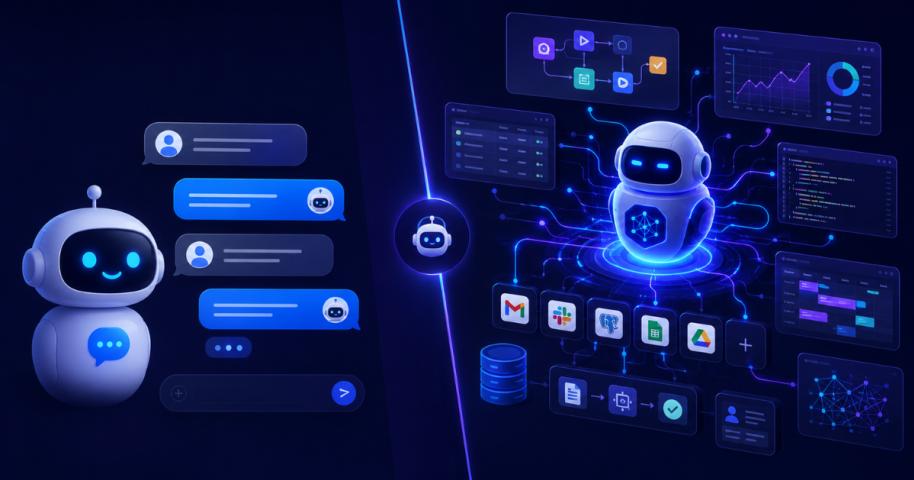
Unlike traditional AI systems that rely heavily on predefined rules, agentic AI in healthcare is designed to act independently, make decisions, and execute tasks with minimal human intervention. These AI agents can understand patient intent, respond intelligently, and manage multi-step workflows in real time. By combining automation with decision-making capabilities, agentic AI enables healthcare providers to move beyond simple task automation and toward more intelligent, adaptive systems that enhance both operational efficiency and patient engagement.
Transforming Patient Communication Through AI
One of the most significant impacts of agentic AI in healthcare is in the area of patient communication. Healthcare providers often struggle to manage large volumes of patient inquiries, appointment requests, and follow-ups. AI-powered voice and conversational agents can handle these interactions seamlessly, providing instant responses and reducing wait times. This not only improves patient satisfaction but also allows medical staff to focus on more critical tasks. For a deeper look into how AI voice agents are being used in real-world healthcare scenarios, this article highlights key applications and benefits:
https://www.cloudtalk.io/blog/use-cases-of-ai-voice-agents-in-healthcare/
Enhancing Operational Efficiency in Healthcare Systems
Efficiency is a critical factor in healthcare, where delays and errors can have serious consequences. Agentic AI in healthcare helps streamline operations by automating repetitive administrative tasks such as appointment scheduling, patient reminders, and data entry. These AI systems can operate continuously, ensuring that processes are handled quickly and accurately. As a result, healthcare organizations can reduce operational costs while improving overall productivity and service delivery.
Supporting Better Decision-Making and Patient Outcomes
Another important advantage of agentic AI in healthcare is its ability to support decision-making processes. By analyzing patient data and historical interactions, AI agents can provide insights that help healthcare professionals make more informed decisions. While these systems do not replace medical expertise, they act as powerful support tools that enhance accuracy and efficiency. Over time, this can lead to improved patient outcomes and more personalized care experiences.
Addressing Challenges and Building Trust
Despite its advantages, the adoption of agentic AI in healthcare also comes with challenges. Concerns around data privacy, system reliability, and ethical AI usage must be carefully addressed. Healthcare organizations need to ensure that AI systems are transparent, secure, and compliant with regulatory standards. Building trust among patients and stakeholders is essential for long-term success, and this requires a balanced approach that combines innovation with responsibility.
The Future of Agentic AI in Healthcare
As technology continues to evolve, agentic AI in healthcare is expected to play an even greater role in transforming the industry. From improving patient engagement to optimizing hospital operations, AI-driven agents will become a core component of modern healthcare systems. Organizations that adopt these technologies strategically will be better positioned to deliver high-quality care while staying competitive in an increasingly digital landscape.
Final Thoughts
The integration of agentic AI in healthcare is not just a technological advancement—it represents a shift toward more intelligent, responsive, and efficient healthcare systems. By automating complex workflows and enhancing patient interactions, agentic AI is helping organizations overcome long-standing challenges and improve care delivery. As adoption continues to grow, it will become a key driver of innovation and transformation in the healthcare industry.