
The Shift Toward Voice-Driven Digital Transformation
As businesses accelerate their digital transformation journeys, the demand for more natural and intuitive interaction channels is growing rapidly. Voice technology has emerged as a key enabler in this shift, allowing users to communicate effortlessly without relying on screens or keyboards. AI voice agent development services are at the forefront of this transformation, helping organizations deliver seamless, real-time interactions that mimic human conversations. This evolution is not just about convenience it’s about creating meaningful, frictionless experiences that align with modern user expectations.
The Business Gap: Where Traditional Support Falls Short
Despite advancements in customer service technologies, many businesses still struggle with inefficiencies in their support systems. High call volumes, long wait times, and inconsistent service quality remain common challenges. Traditional IVR systems often frustrate users with rigid menus and limited understanding capabilities. These limitations create a significant gap between customer expectations and service delivery. AI voice agents are designed to bridge this gap by providing intelligent, context-aware responses that enhance both efficiency and user satisfaction.
Understanding AI Voice Agent Development Services
AI voice agent development services focus on building intelligent systems that can understand spoken language, interpret intent, and respond in a conversational manner. These agents are powered by advanced AI technologies that enable them to process natural language, manage complex dialogues, and deliver accurate responses in real time. Unlike basic automation tools, AI voice agents continuously learn from interactions, improving their performance and adapting to user behavior over time.
Technologies Enabling Intelligent Voice Interactions
The effectiveness of AI voice agents lies in the integration of several cutting-edge technologies. Speech recognition technology converts spoken input into text, forming the foundation of the interaction. Natural language processing helps the system understand context, intent, and meaning. Text-to-speech technology ensures that responses sound natural and human-like. Machine learning models analyze past conversations to refine responses and improve accuracy. Together, these technologies create a robust framework for delivering intelligent voice experiences.
Architecture Behind AI Voice Agent Solutions
A well-structured architecture is critical for the success of any AI voice agent. The process begins with capturing voice input through various channels such as mobile apps, websites, or telephony systems. This input is processed and converted into text using speech recognition engines. The system then analyzes the text to determine user intent and context. A decision engine processes this information and selects the most appropriate response based on predefined logic and real-time data. Finally, the response is converted into speech and delivered back to the user, ensuring a smooth conversational flow.
Key Capabilities of Modern AI Voice Agents
AI voice agent development services offer a range of capabilities that go beyond basic automation. These include multilingual communication, enabling businesses to engage with diverse audiences. Context retention allows the system to maintain continuity in conversations, even across multiple interactions. Sentiment analysis helps detect user emotions and adjust responses accordingly. Integration with business systems ensures access to real-time data, while analytics tools provide insights into performance and user behavior. These capabilities make AI voice agents a powerful tool for enhancing customer engagement.
Industry-Wide Applications of AI Voice Agents
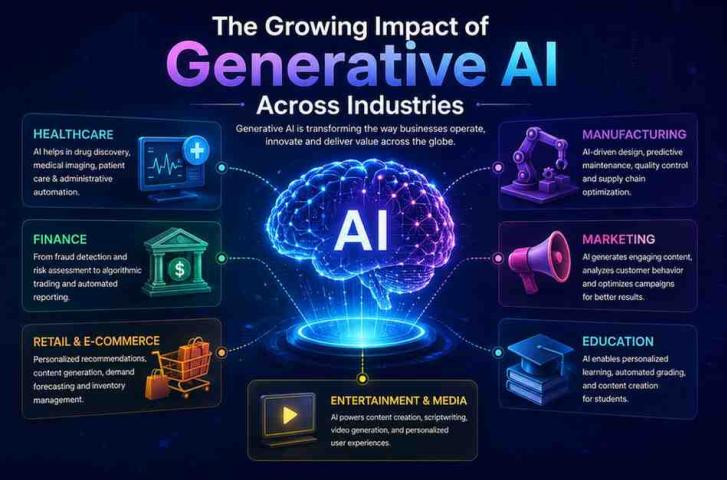
The versatility of AI voice agents makes them valuable across various industries. In healthcare, they assist with appointment scheduling, patient engagement, and remote consultations. In banking and finance, they provide secure access to account information and handle customer queries. Retail businesses use voice agents to enhance shopping experiences, offering personalized recommendations and order updates. In travel and hospitality, they streamline booking processes and provide real-time assistance. Across all these sectors, AI voice agents are improving efficiency and redefining user experiences.
Strategic Benefits for Businesses
Adopting AI voice agent development services offers numerous strategic advantages. One of the most significant benefits is cost optimization, as automation reduces the need for extensive human resources. These agents also improve response times, leading to higher customer satisfaction. Their ability to handle large volumes of interactions simultaneously ensures scalability during peak demand. Additionally, the data generated from voice interactions provides valuable insights that help businesses refine their strategies and improve decision-making processes.
Overcoming Implementation Challenges
While the benefits are substantial, implementing AI voice agents requires careful planning. Challenges such as understanding diverse accents, maintaining conversational accuracy, and ensuring data security must be addressed. Integration with existing systems can also be complex. However, with the right development approach and continuous optimization, these challenges can be effectively managed, ensuring a smooth deployment and operation.
Future Outlook: The Evolution of Voice AI
The future of AI voice agent development services is being shaped by rapid advancements in artificial intelligence. Voice agents are becoming more personalized, capable of delivering tailored experiences based on user preferences and behavior. Emotionally aware systems are improving the quality of interactions by responding with empathy. Voice commerce is emerging as a significant trend, allowing users to make purchases through voice commands. Integration with smart devices and IoT ecosystems is further expanding the scope of voice technology, making it a central component of digital experiences.
Choosing the Right Development Approach
To fully leverage the potential of AI voice agents, businesses must adopt a strategic approach to development. This includes selecting the right technologies, defining clear use cases, and ensuring seamless integration with existing systems. Partnering with experienced providers can help organizations navigate the complexities of development and achieve optimal results. A well-executed strategy ensures that the solution aligns with business goals and delivers measurable value.
Conclusion: Driving the Future of Communication with AI Voice Agents
AI voice agent development services are transforming the way businesses communicate with their customers. By enabling natural, efficient, and scalable interactions, these solutions are setting new standards for customer engagement. As technology continues to evolve, voice agents will play an increasingly important role in shaping digital experiences. Businesses that invest in this technology today are positioning themselves for long-term success in an increasingly competitive landscape.