
Introduction
When administrators and IT managers plan school computer labs, they often focus on high-end desktops, monitors, and networking infrastructure. However, one element that frequently gets overlooked — and one that poses the greatest hidden risk — is the power cable infrastructure. A single low-quality or counterfeit power cable can trigger electrical faults, equipment damage, or even fire hazards. In school settings where dozens of machines run simultaneously, the risks multiply significantly.
The Real Danger of Cheap Power Strips
Cheap power strips might seem like a budget-friendly solution for school IT labs, but they come with serious safety compromises. Unlike certified products, low-cost power strips often use undersized internal wiring, meaning the power cable connections inside cannot handle the load of multiple computers running at full capacity. When overloaded, these connections overheat, leading to insulation melt, short circuits, or worse — electrical fires. Schools are responsible for the safety of hundreds of students daily, making this a non-negotiable concern.
Understanding Power Cable Ratings
Every power cable is manufactured with specific amperage and voltage ratings. In a school computer lab, where 20–40 desktops may run simultaneously for 6–8 hours a day, the cumulative load on a single power cable strip can easily exceed its rated capacity. When schools opt for cheap, unbranded power strips, they typically receive products with no meaningful safety certification. These products may pass basic visual inspection but fail catastrophically under real-world load conditions. IT managers must always verify that any power cable used in the lab is UL-listed or carries equivalent international safety certification.
Surge Protection: A Critical Requirement
Beyond load capacity, quality power cables with built-in surge protection are essential in school environments. Power surges — often caused by lightning, utility switching, or grid fluctuations — can destroy computers within milliseconds. A good power cable or strip with real surge protection absorbs these spikes before they reach the equipment. Cheap alternatives often advertise surge protection but include only a simple MOV (Metal Oxide Varistor) that degrades after the first significant surge, leaving equipment completely unprotected. Schools that invest in quality power cable solutions protect not just individual machines, but the entire lab's technology investment.
Maintenance and Longevity
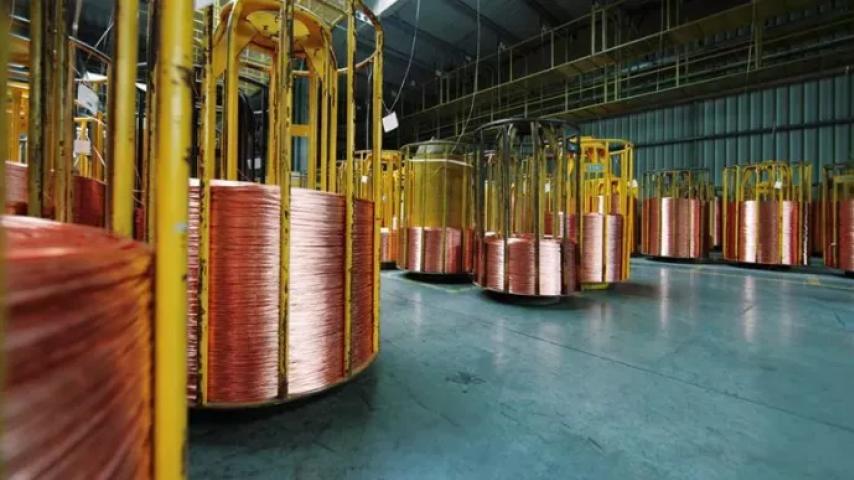
A quality power cable is built to last. Premium cables use oxygen-free copper conductors, heavy-duty insulation, and robust connectors that maintain secure contact over years of use. In contrast, cheap alternatives degrade rapidly — the insulation cracks, connectors loosen, and internal wiring corrodes. In a school lab that operates year-round, this translates to frequent replacements, unexpected downtime, and higher long-term costs. The apparent savings from buying cheap power cables quickly evaporate when factoring in replacement frequency and the cost of any equipment damage caused.
Compliance and Insurance Implications
Schools are bound by electrical codes and building safety regulations. Using non-certified power cable products can put schools in violation of these codes, potentially voiding insurance policies and exposing administrators to liability. If a fire or electrical incident occurs and investigations reveal the use of non-compliant power cables, the legal and financial consequences for the school district can be severe. Compliance is not just about ticking boxes — it is about protecting students, staff, and the institution.
Recommendations for Schools
School IT departments should establish a procurement standard that mandates certified, load-rated power cables for all computer lab installations. Periodic inspections should check for signs of wear, overheating, or damage. Dedicated circuit installation is preferable to daisy-chained power strips. When selecting power cable products, prioritize reputable brands with verifiable safety certifications, and always match the cable's rated capacity to the actual load requirements of the lab.
Conclusion
The power cable might be the least glamorous part of a school's IT setup, but it is arguably the most critical from a safety perspective. Cutting corners on power infrastructure to save a few dollars is a false economy that can lead to devastating consequences. Schools owe it to their students, staff, and taxpayers to invest in quality power cable solutions that deliver reliable, safe performance day after day.
Original Article :- Click Here