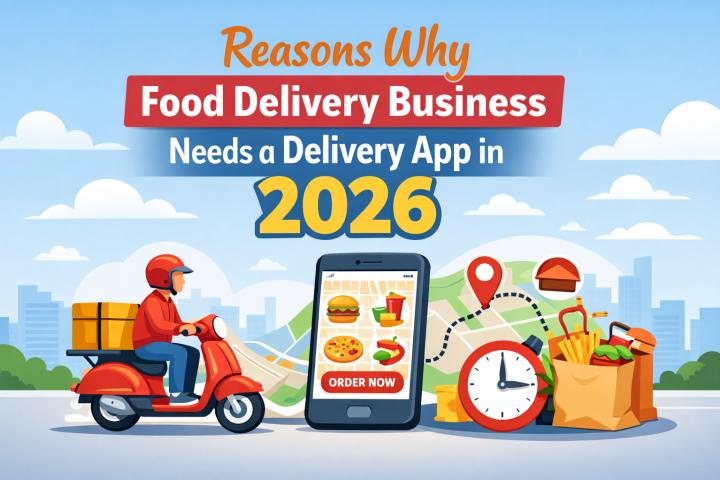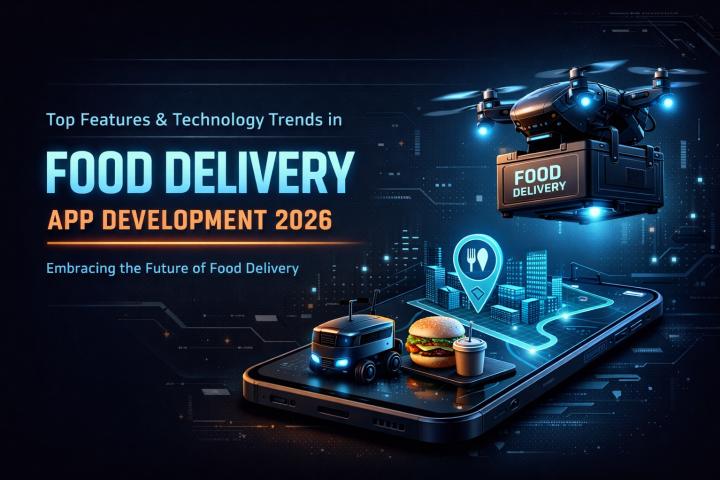
The food delivery industry has exploded in recent years, and apps like Deliveroo have become household names. With millions of orders placed every day across dozens of countries, Deliveroo has set the gold standard for what a food delivery platform should look like. If you're an entrepreneur or business owner wondering how to build a food delivery app like Deliveroo, this guide will walk you through everything you need to know — from core features to tech stacks and development costs.
Why Build a Food Delivery App Like Deliveroo?
The global food delivery market is projected to surpass $500 billion by 2030. Consumer habits have shifted dramatically, with people preferring the convenience of ordering food from their smartphones over dining out. This presents a massive business opportunity. Whether you're targeting a local city or planning a nationwide rollout, investing in a food delivery app can yield significant returns — provided you build it the right way.
Deliveroo's success wasn't accidental. It combined real-time GPS tracking, a seamless user interface, fast delivery logistics, and smart restaurant partnerships to create a product people genuinely love using. Replicating that experience requires careful planning, the right technology, and an experienced food delivery app development company by your side.
Key Features of a Food Delivery App Like Deliveroo
Before jumping into development, you need to understand the three core panels of a food delivery platform and the features each requires.
1. Customer App
- User registration and login (social login, OTP)
- Restaurant and menu browsing with filters
- Real-time order tracking with GPS
- Multiple payment options (cards, wallets, UPI, cash on delivery)
- Ratings and reviews
- Push notifications for order updates
- Reorder and saved addresses
2. Delivery Partner App
- Driver registration and profile management
- Order acceptance or rejection
- Real-time navigation and route optimization
- Earnings dashboard and history
- In-app communication with customers
3. Restaurant Dashboard
- Menu and pricing management
- Order management and status updates
- Sales analytics and reports
- Promotional offers and discount management
4. Admin Panel
- Full platform oversight
- User, restaurant, and driver management
- Commission and payment management
- Customer support tools
- Advanced analytics and reporting
Building all of these panels in a cohesive, scalable way is exactly what an experienced on demand app development company specializes in.
Technology Stack to Consider
Choosing the right technology is crucial for performance, scalability, and long-term maintainability. Here's a typical stack used for apps like Deliveroo:
- Frontend (Mobile): React Native or Flutter for cross-platform iOS and Android development
- Backend: Node.js or Python (Django/FastAPI) for API development
- Database: PostgreSQL or MongoDB for structured and unstructured data
- Real-time features: Socket.IO or Firebase for live order tracking and chat
- Maps & Navigation: Google Maps API or Mapbox
- Payments: Stripe, Razorpay, or PayPal integration
- Cloud Hosting: AWS, Google Cloud, or Microsoft Azure
- Push Notifications: Firebase Cloud Messaging (FCM)
The technology decisions should always align with your business goals, expected user load, and budget. A seasoned food delivery app development company will guide you toward choices that don't just work today but scale with your growth tomorrow.
Step-by-Step Development Process
Step 1: Market Research and Planning
Start by analyzing your target market. Who are your users? What cities or regions will you serve? Study competitors like Deliveroo, Zomato, and Uber Eats to identify gaps you can fill. Define your unique value proposition clearly before writing a single line of code.
Step 2: Define the Business Model
Deliveroo earns revenue through delivery fees, restaurant commissions, and subscription plans (Deliveroo Plus). You need to decide your own revenue model early — it will influence your app's features and flow significantly.
Step 3: UI/UX Design
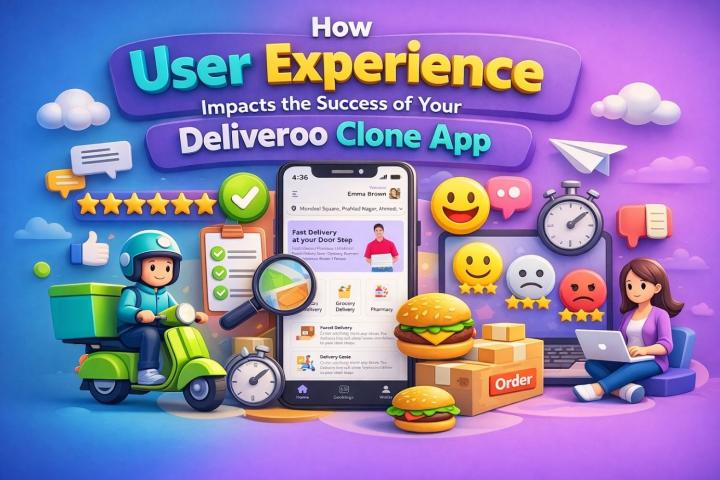
Design is not just about aesthetics; it's about usability. Create wireframes and prototypes for each user panel. Your app should be intuitive enough that a first-time user can place an order within 60 seconds. Clean, fast, and simple should be your design mantra.
Step 4: Backend Development
Build robust APIs that power all three panels — customer, delivery, and restaurant. Set up your database architecture to handle high volumes of concurrent users without downtime. Implement authentication, security protocols, and data encryption from the start.
Step 5: Frontend and App Development
Develop the mobile apps (iOS and Android) and the web-based restaurant and admin dashboards. Integrate real-time tracking, payment gateways, and notification systems in this phase.
Step 6: Testing
Conduct thorough QA testing — functional testing, performance testing, security testing, and user acceptance testing. A buggy app on launch day can permanently damage your brand reputation.
Step 7: Launch and Marketing
Deploy your app on the App Store and Google Play. Launch with a focused marketing strategy — target a single city first, onboard quality restaurants, and offer promotional discounts to attract your first wave of users.
Step 8: Iterate and Scale
Post-launch, gather user feedback religiously. Monitor app performance metrics and roll out updates frequently. Scale your infrastructure as user numbers grow.
How Much Does It Cost to Build a Food Delivery App?
The cost of building a food delivery app like Deliveroo depends on several factors — the number of features, platforms (iOS, Android, or both), the complexity of the design, and the development team's location and experience.
As a rough estimate:
- MVP (basic version): $5,000 – $10,000
- Full-featured app: $10,000 – $15,000+
- Ongoing maintenance: 15–20% of the initial cost per year
Partnering with an on demand app development company that has prior experience in food delivery apps can reduce development time significantly and help you avoid costly mistakes.
Final Thoughts
Building a food delivery app like Deliveroo is a significant but rewarding investment. The market is large, user demand is consistent, and technology has made it more accessible than ever to build sophisticated platforms. The key to success lies in three things: a well-thought-out product strategy, a reliable and scalable tech foundation, and a trusted food delivery app development company that understands the nuances of on-demand services.
Whether you're launching a hyperlocal food delivery service or building the next regional giant, the blueprint is clear. Start with a solid MVP, listen to your users, and scale intelligently. The next Deliveroo could very well be yours.