In today’s fast-moving digital economy, businesses are under constant pressure to operate faster, reduce costs, and deliver more value with fewer resources. This has led to a rapid rise in the adoption of automation software across industries of all sizes. From startups to global enterprises, organizations are leveraging intelligent systems to streamline repetitive tasks, improve decision-making, and enhance operational visibility.
What once required manual coordination between multiple departments can now be executed seamlessly through integrated platforms. Automation is no longer just a competitive advantage; it is becoming a foundational requirement for sustainable growth. Companies that fail to adapt risk falling behind more agile, tech-enabled competitors.
As automation technology evolves, it is reshaping not only operational workflows but also how organizations think about productivity, data usage, and employee roles.
Redefining Operational Efficiency Through Intelligent Systems
One of the most significant impacts of automation software is its ability to unify fragmented processes. Traditionally, businesses relied on siloed systems where data had to be manually transferred between tools. This often led to delays, inconsistencies, and human error.
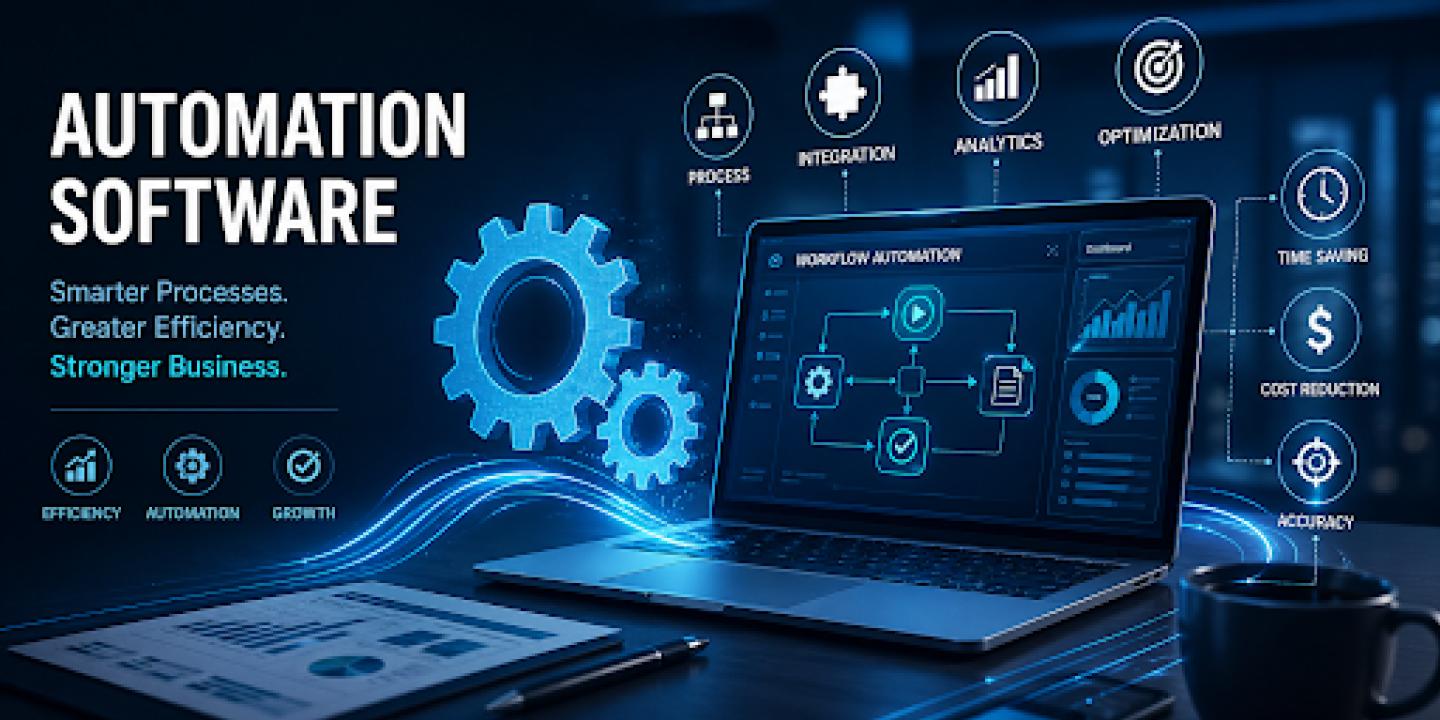
Modern automation platforms integrate these systems into a cohesive ecosystem. They enable real-time data synchronization, trigger automated workflows based on predefined rules, and reduce the need for repetitive manual input. This leads to faster execution cycles and more reliable outcomes.
Beyond efficiency, automation also enhances transparency. Managers gain access to dashboards that provide real-time insights into performance metrics, bottlenecks, and resource utilization. This visibility allows for quicker decision-making and more accurate forecasting.
Transforming Business Models With Data-Driven Intelligence
Automation is not just about doing things faster; it is about doing them smarter. As organizations accumulate vast amounts of operational data, the challenge becomes extracting meaningful insights from it. Automation software bridges this gap by incorporating analytics, machine learning, and predictive modeling capabilities.
These systems can identify patterns that humans might overlook, such as inefficiencies in workflows or recurring delays in specific processes. By analyzing this data, businesses can continuously refine their operations and eliminate waste.
Over time, this leads to a shift from reactive decision-making to proactive strategy development. Instead of responding to problems after they occur, organizations can anticipate them and take preventive action.
Streamlining Procurement Operations With Advanced Digital Tools
Procurement has traditionally been one of the most complex and resource-intensive areas of business operations. It involves managing suppliers, negotiating contracts, tracking purchases, and ensuring compliance with internal policies. Manual procurement processes are often slow, error-prone, and difficult to scale.
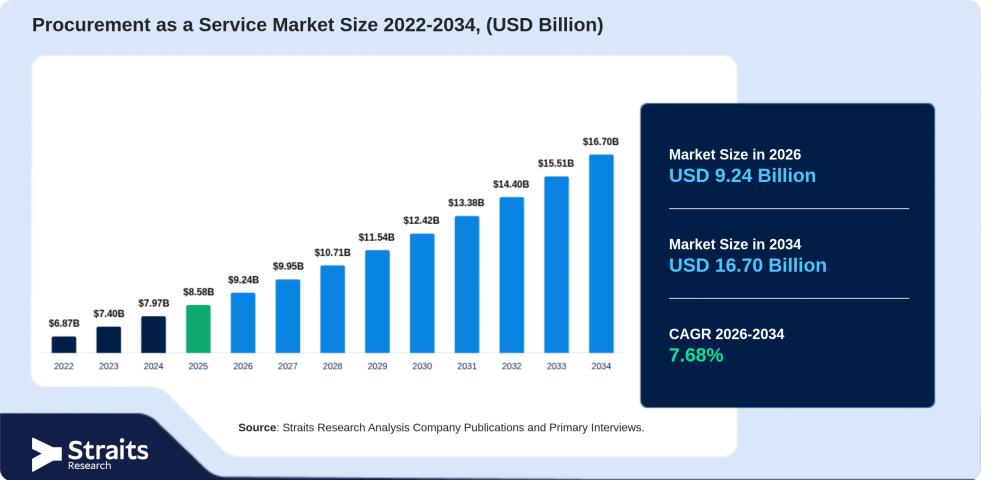
This is where modern digital solutions are making a major impact. AI procurement software is transforming how organizations manage sourcing and purchasing activities by automating supplier evaluation, purchase order generation, and spend analysis. These systems help procurement teams identify cost-saving opportunities, enforce policy compliance, and reduce procurement cycle times significantly.
By leveraging intelligent algorithms, procurement departments can also gain better visibility into supplier performance and market trends. This allows organizations to build more resilient and cost-effective supply chains while minimizing operational risks.
Enhancing Workforce Productivity Through Process Intelligence
Another important dimension of automation lies in understanding how employees interact with systems and applications. Many organizations struggle with inefficiencies that are not immediately visible at the management level. These inefficiencies often stem from repetitive manual tasks, unnecessary steps in workflows, or underutilized software tools.
This is where task mining tools become highly valuable. They analyze user activity across digital environments to identify patterns, inefficiencies, and opportunities for automation. By capturing detailed interaction data, these tools help organizations understand exactly how work is being performed in practice. not just how it is designed on paper.
The insights generated from task mining can be used to redesign workflows, eliminate redundant steps, and prioritize automation initiatives that deliver the highest impact. Over time, this leads to more streamlined operations and improved employee productivity, as workers can focus on higher-value tasks rather than repetitive manual processes.
Key Benefits of Adopting Automation Software
The widespread adoption of automation software brings a range of measurable benefits across organizations:
1. Improved Efficiency:
Automated workflows reduce the time required to complete routine tasks, enabling faster execution of business processes.
2. Reduced Operational Costs:
By minimizing manual intervention, companies can lower labor costs and reduce the likelihood of expensive errors.
3. Enhanced Accuracy:
Automation ensures consistency in execution, reducing human error and improving data reliability.
4. Scalability:
Businesses can scale operations without proportionally increasing workforce size, making growth more sustainable.
5. Better Decision-Making:
Real-time data insights enable leaders to make informed decisions based on accurate and up-to-date information.
Overcoming Challenges in Automation Adoption
Despite its advantages, implementing automation software is not without challenges. One of the most common barriers is resistance to change. Employees may be hesitant to adopt new systems, especially if they fear job displacement or increased complexity.
To address this, organizations must invest in change management strategies that emphasize training, communication, and collaboration. Automation should be positioned as a tool that enhances human capabilities rather than replaces them.
Another challenge lies in system integration. Many organizations operate with legacy systems that are not easily compatible with modern automation platforms. Careful planning and phased implementation are essential to ensure smooth transitions.
Data security is also a critical concern. As automation systems handle sensitive business information, robust cybersecurity measures must be in place to protect against breaches and unauthorized access.
The Future of Automation in Business Environments
The future of automation is moving toward greater intelligence, adaptability, and autonomy. As artificial intelligence continues to evolve, automation systems will become more capable of making complex decisions without human intervention.
We are also likely to see increased convergence between different automation technologies. For example, process automation, analytics, and machine learning will work together within unified platforms to deliver end-to-end business intelligence.
Another emerging trend is hyperautomation, where organizations aim to automate as many processes as possible using a combination of advanced tools and technologies. This approach will further blur the lines between human and machine-driven work, creating highly efficient digital ecosystems.
Conclusion: Building Smarter Organizations Through Automation
Automation software is fundamentally reshaping how modern businesses operate. It enables organizations to streamline processes, reduce costs, and unlock new levels of efficiency and insight. As technology continues to advance, automation will play an even more central role in driving innovation and competitiveness across industries.
Businesses that embrace these tools today are positioning themselves for long-term success in an increasingly digital and data-driven world.