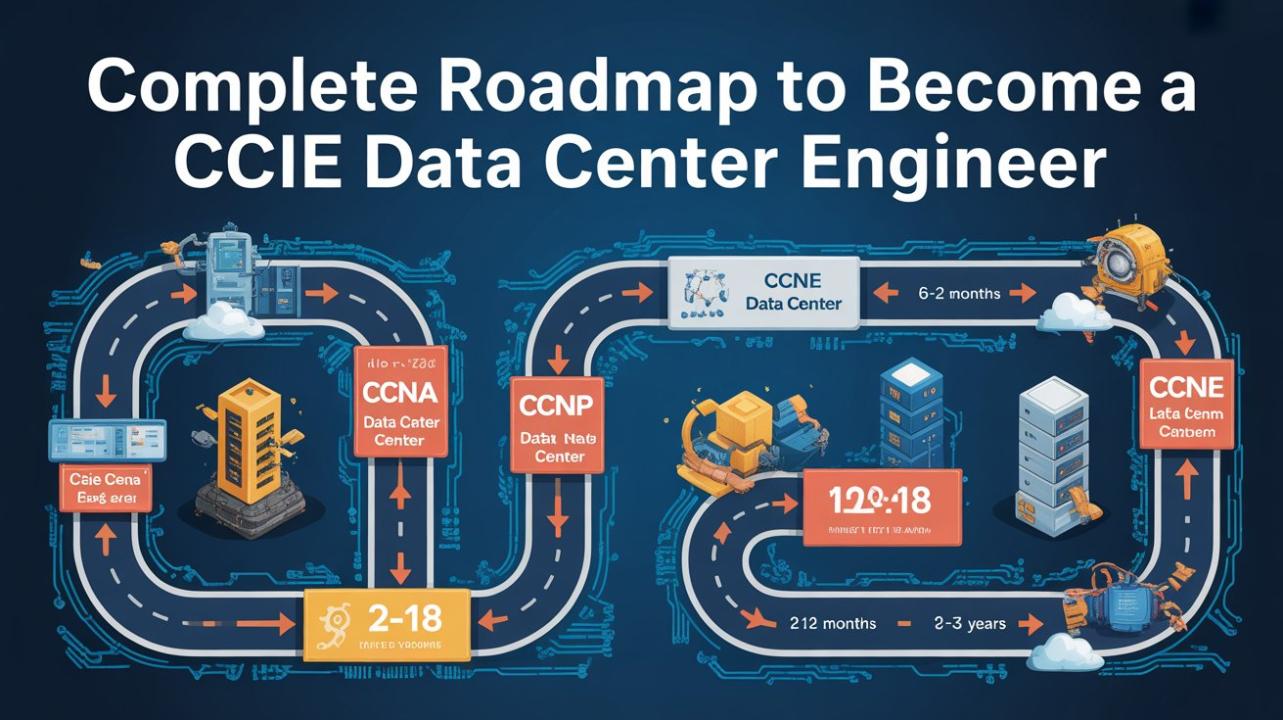
Complete Roadmap to Become a CCIE Data Center Engineer
The IT industry is growing at a rapid pace, and modern organizations now depend on secure, scalable, and efficient data center infrastructures to support their operations. As technologies such as cloud computing, virtualization, and automation continue to evolve, the demand for highly skilled networking professionals is also increasing. Many aspiring engineers pursue CCIE Data Center Certification to improve their technical capabilities and establish a strong career in enterprise networking and infrastructure management.
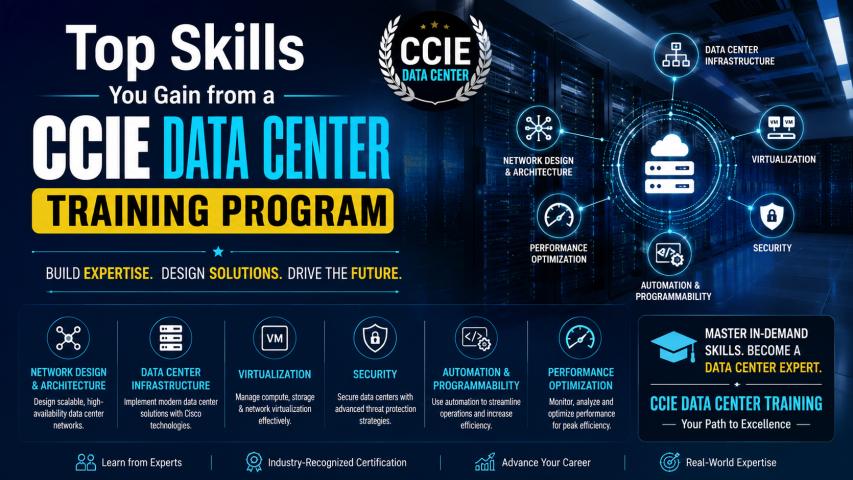
CCIE Data Center Training is considered one of the most prestigious certification paths for professionals working in advanced networking environments. The program provides in-depth knowledge of data center technologies, including automation, virtualization, storage networking, infrastructure management, and troubleshooting. It also helps candidates develop the practical skills needed to manage real-world enterprise networks effectively.
What Is CCIE Data Center Certification?
The CCIE Data Center certification, introduced by Cisco Systems, is an expert-level credential designed for IT professionals who want to specialize in enterprise data center technologies. The certification focuses on configuring, deploying, managing, automating, and troubleshooting modern networking infrastructures used in large organizations.
Compared to entry-level certifications, the CCIE Data Center track requires a much deeper understanding of networking technologies and practical implementation methods. Candidates are expected to handle complex networking environments and resolve technical challenges efficiently.
Technologies Included in CCIE Data Center
Enterprise networking
Cisco Nexus platforms
Cisco UCS systems
Storage networking
Infrastructure automation
Virtualization technologies
VXLAN and EVPN
Cisco ACI architecture
Security integration
Advanced troubleshooting
Why Choose a Career in Data Center Networking?
Today’s businesses rely heavily on stable and high-performance network infrastructures. Industries such as finance, healthcare, e-commerce, telecommunications, and cloud computing require professionals who can manage complex data center environments without operational disruptions.
Advantages of Becoming a CCIE Data Center Engineer
Strong Career Opportunities
Professionals with advanced networking certifications often gain access to senior-level technical positions in enterprise organizations and cloud-based companies.
Worldwide Recognition
The CCIE certification is respected globally and is widely recognized as proof of advanced networking expertise.
Better Salary Prospects
Due to their specialized technical knowledge, certified data center engineers are often offered attractive salary packages and career benefits.
Real-World Technical Experience
The certification process emphasizes practical learning and hands-on implementation, helping professionals strengthen their troubleshooting and deployment skills.
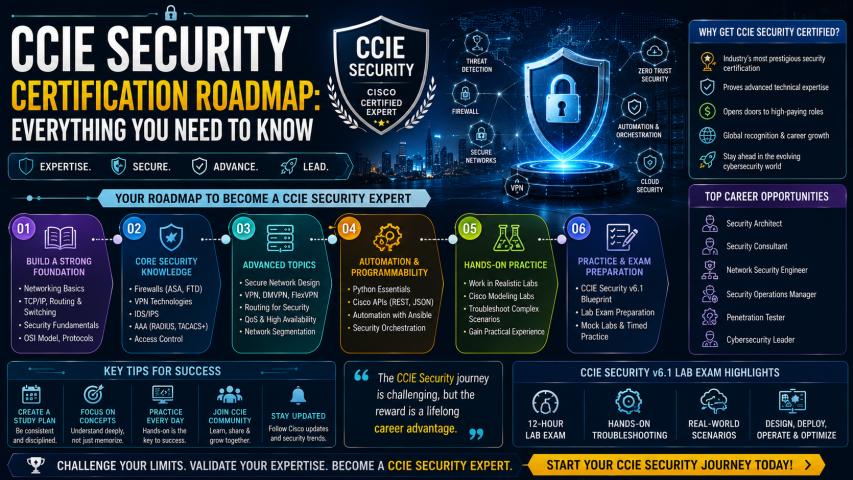
Step-by-Step Guide to Becoming a CCIE Data Center Engineer
Step 1: Understand Networking Basics
Before starting expert-level preparation, candidates should build a solid understanding of networking fundamentals.
Essential Networking Topics
TCP/IP protocols
Routing and switching concepts
VLAN configuration
IP addressing methods
Basic network security
Wireless networking fundamentals
A strong foundation in these topics makes it easier to learn advanced data center technologies later.
Step 2: Build Foundational Cisco Knowledge
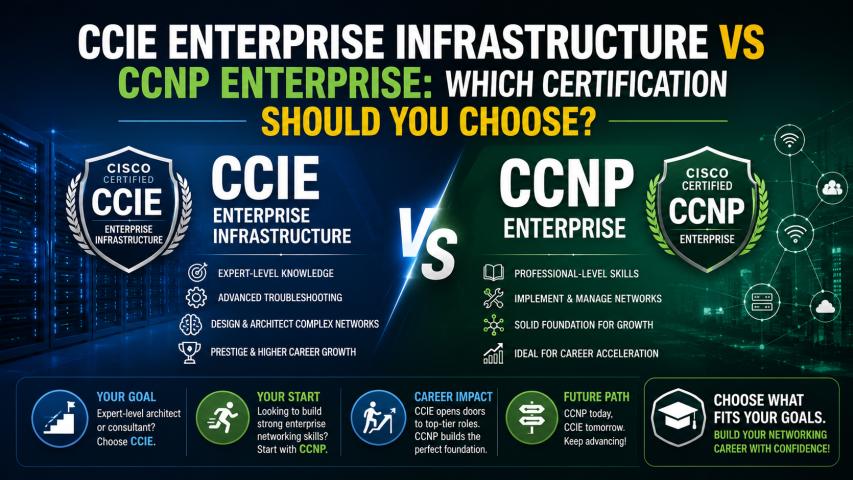
Many networking professionals begin their certification journey with entry-level and professional-level Cisco certifications before moving toward CCIE preparation.
Recommended Cisco Certifications
Cisco CCNA
The Cisco Certified Network Associate certification introduces important networking concepts such as switching, routing, IP connectivity, and security fundamentals.
Cisco CCNP Data Center
The Cisco Certified Network Professional certification helps candidates gain deeper exposure to enterprise data center technologies and advanced networking concepts.
Although these certifications are not compulsory, they provide a strong technical base for expert-level learning.
Step 3: Learn the CCIE Data Center Exam Structure
The certification process generally includes two major components.
Written Examination
The written exam tests candidates on theoretical concepts related to enterprise networking, infrastructure management, virtualization, and automation.
Lab Examination
The lab exam evaluates hands-on technical skills such as deployment, troubleshooting, automation, and configuration within enterprise-level networking environments.
Candidates should focus on both conceptual understanding and practical implementation during preparation.
Step 4: Master Key Data Center Technologies
To become a successful CCIE Data Center engineer, candidates must gain expertise in multiple enterprise technologies.
Cisco Nexus Switching
Cisco Nexus switches are commonly used in enterprise data centers to support high-speed and scalable networking infrastructures.
Important Nexus Topics
NX-OS configuration
VLAN and VRF setup
High availability solutions
FabricPath implementation
VXLAN EVPN technologies
Spine-leaf architecture
Cisco UCS Technologies
Cisco UCS solutions help organizations simplify server deployment and infrastructure management.
Important UCS Concepts
Service profiles
UCS Manager
Fabric interconnects
Server virtualization
Hardware administration
Storage Networking
Storage networking is an essential component of enterprise data center operations.
Important Storage Networking Topics
SAN architecture
Fibre Channel technologies
FCoE implementation
Storage communication protocols
Backup and redundancy methods
Step 5: Develop Automation Skills
Automation plays a major role in modern networking environments. Organizations prefer engineers who can automate repetitive tasks and improve infrastructure efficiency.
Important Automation Skills
Python programming
REST APIs
Ansible automation
Cisco automation tools
JSON and YAML fundamentals
Learning automation technologies can improve operational efficiency and simplify network management processes.
Step 6: Gain Practical Lab Experience
Hands-on practice is one of the most important aspects of CCIE Data Center preparation.
Ways to Improve Practical Knowledge
Practice Consistently
Regular lab practice helps improve troubleshooting speed and technical accuracy.
Use Virtual Lab Platforms
Virtual lab environments allow candidates to practice enterprise networking scenarios without requiring expensive physical hardware.
Work on Real-Time Scenarios
Practicing deployment and troubleshooting cases helps candidates understand how enterprise infrastructures operate in real-world environments.
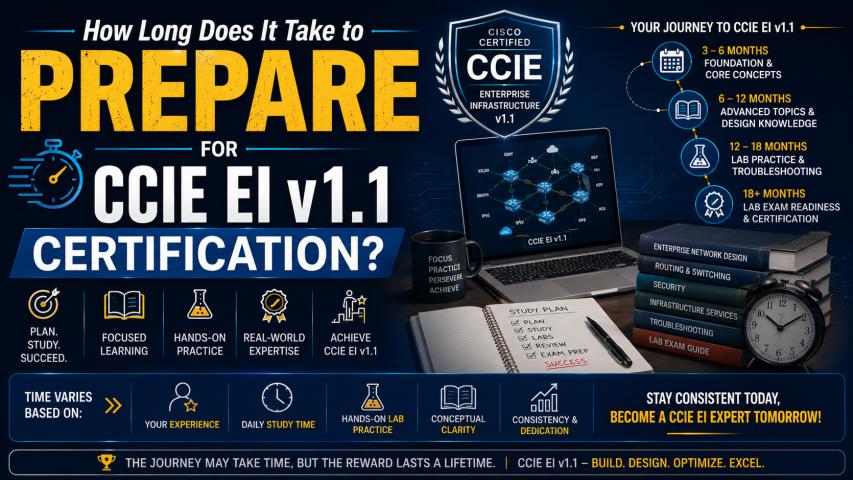
Step 7: Create a Structured Study Strategy
A proper study plan helps candidates stay organized and maintain consistency throughout their preparation journey.
Useful Study Plan Tips
Set realistic weekly goals
Reserve dedicated time for lab practice
Revise important concepts regularly
Focus on troubleshooting exercises
Attempt mock lab examinations
Consistent preparation usually delivers better results than irregular study routines.
Step 8: Enroll in Professional Training Programs
Many candidates join structured training programs to receive expert guidance and improve their practical knowledge.
Benefits of Professional Training
Guidance from Industry Experts
Experienced trainers can explain advanced concepts using practical examples from enterprise environments.
Organized Learning Approach
Professional training institutes often provide structured learning modules and dedicated lab sessions.
Collaborative Learning Environment
Learning with peers can improve technical discussions, troubleshooting abilities, and problem-solving skills.
Step 9: Improve Time Management Skills
The CCIE lab examination requires candidates to complete multiple technical tasks within a limited duration.
Effective Time Management Techniques
Practice complete mock labs
Avoid spending excessive time on one task
Verify configurations regularly
Improve troubleshooting efficiency
Follow a systematic workflow
Strong time management skills can greatly improve overall exam performance.
Step 10: Stay Updated with Industry Trends
Data center technologies continue to evolve rapidly. Networking professionals should continuously upgrade their knowledge to remain competitive in the IT industry.
Emerging Technologies to Learn
Cloud networking
AI-powered infrastructure
Software-defined networking
Multi-cloud environments
Infrastructure automation
Advanced cybersecurity technologies
Continuous learning helps professionals adapt to changing business and technology requirements.
Common Challenges During CCIE Data Center Preparation
Preparing for an expert-level certification can be challenging for many candidates.
Advanced Technical Concepts
Enterprise networking technologies often require detailed understanding and regular hands-on practice.
Limited Preparation Time
Working professionals may struggle to balance certification preparation with job responsibilities.
Lack of Practical Experience
Without proper lab exposure, troubleshooting and implementation skills may remain underdeveloped.
Exam-Related Pressure
The practical lab examination can be stressful for candidates who are unfamiliar with time-sensitive troubleshooting scenarios.
With proper planning and consistent effort, these challenges can be managed successfully.
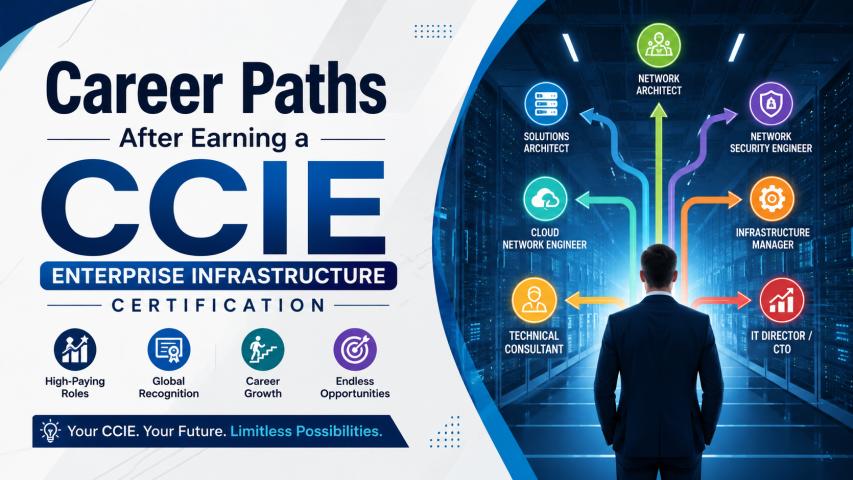
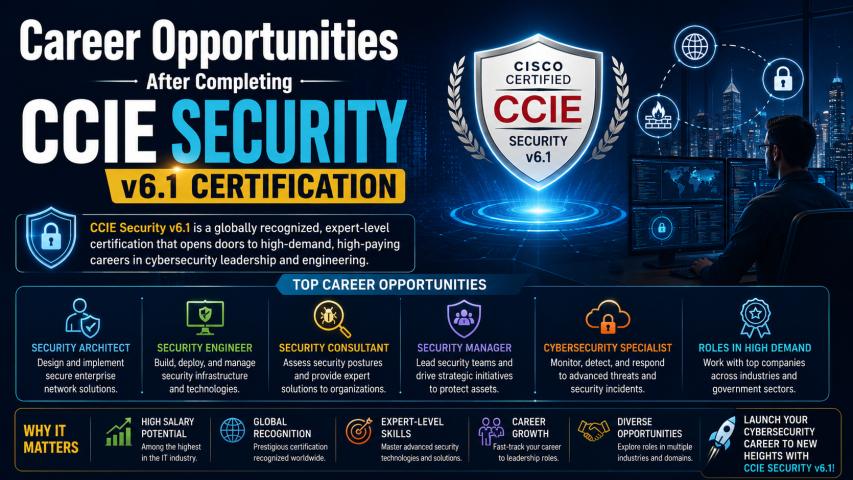
Career Opportunities After CCIE Data Center Certification
Professionals with advanced data center expertise can explore several high-level career opportunities in the networking industry.
Popular Job Roles
Data Center Engineer
Network Architect
Cloud Infrastructure Engineer
Automation Engineer
Technical Consultant
Solutions Architect
Industries such as cloud computing, banking, healthcare, telecommunications, and enterprise IT frequently hire professionals with strong data center networking skills.
Skills Employers Look for in CCIE Data Center Professionals
Organizations generally seek candidates who possess both technical expertise and professional communication abilities.
Important Technical Skills
Enterprise networking
Automation and scripting
Virtualization technologies
Infrastructure security
Advanced troubleshooting
Essential Professional Skills
Problem-solving
Communication
Documentation
Team collaboration
Project coordination
Combining technical expertise with professional skills can create strong long-term career opportunities.
Conclusion
Building a career as a CCIE Data Center engineer requires dedication, consistent practice, and continuous technical learning. From understanding networking fundamentals to mastering automation and enterprise infrastructure technologies, every stage of preparation contributes to professional growth. With the right study plan, practical lab experience, and ongoing skill development, candidates can improve their chances of certification success and establish a rewarding career in enterprise networking. For professionals aiming to advance in modern infrastructure and cloud networking environments, pursuing CCIE Data Center can be a significant step toward long-term career success and industry recognition.