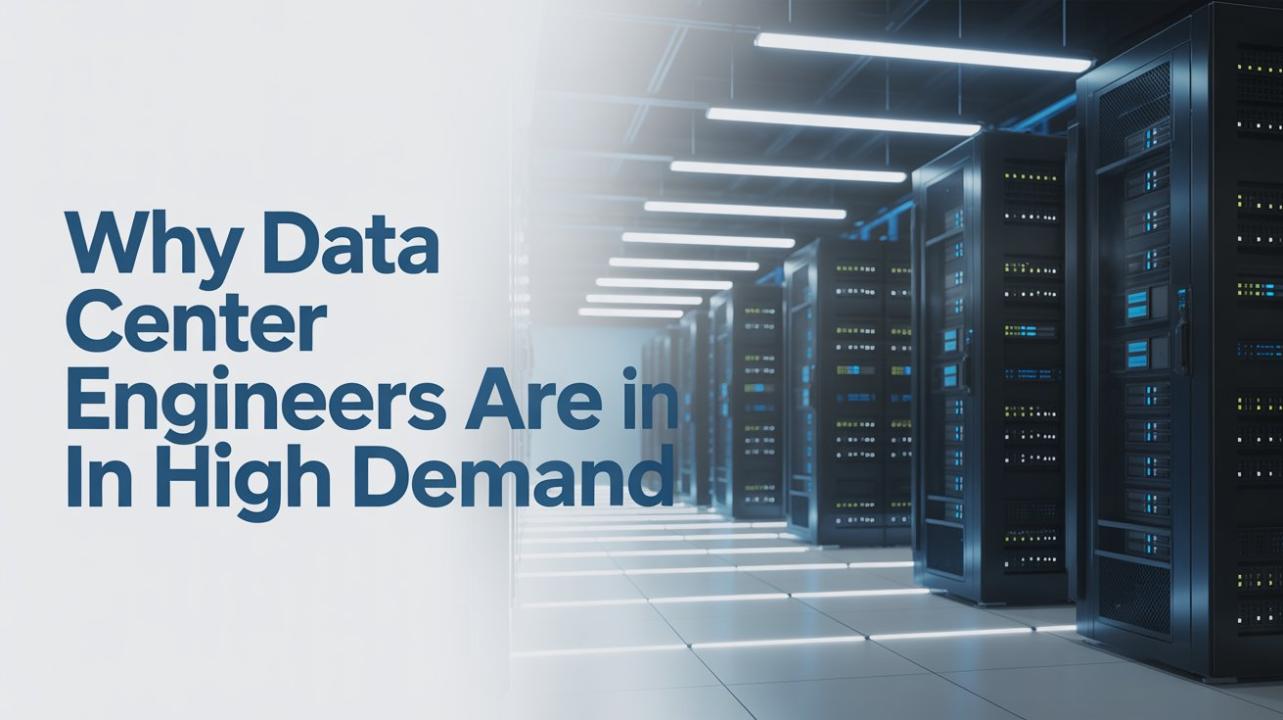
Why Data Center Engineers Are in High Demand in Bangalore
Businesses across industries are rapidly investing in digital infrastructure to support cloud computing, remote operations, cybersecurity, and data-driven services. As organizations modernize their IT environments, the need for skilled data center professionals continues to rise across India.
Many aspiring networking professionals are now choosing CCIE Data Certification pathways to strengthen their expertise and improve career opportunities in enterprise infrastructure and cloud networking.
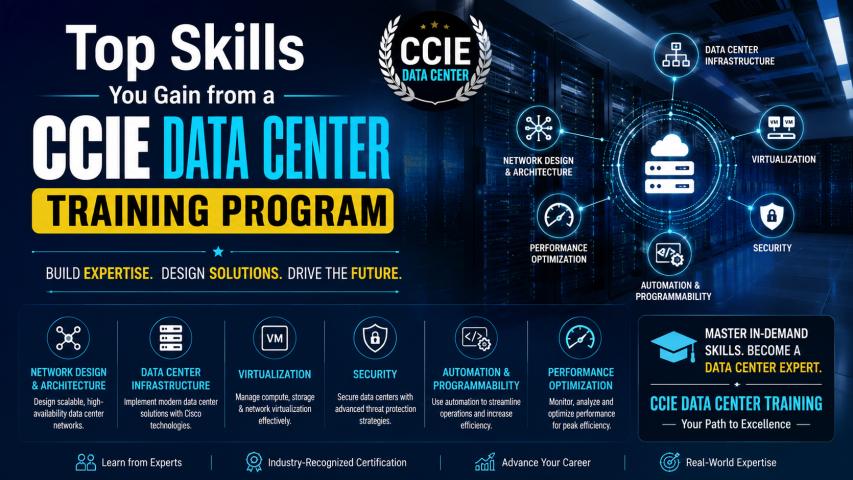
The growing popularity of CCIE Data Center Training programs reflects the increasing demand for engineers who can manage complex data center technologies efficiently.
Data center engineers are responsible for designing, maintaining, and optimizing the infrastructure that powers modern businesses. Their work includes handling servers, storage systems, virtualization platforms, switching technologies, security configurations, and network automation tools.
As enterprises rely more heavily on uninterrupted digital services, organizations require highly skilled professionals who can ensure performance, scalability, and reliability. This increasing dependence on digital operations has made data center engineering one of the most valuable career domains in the IT industry.
Why Bangalore Has Become a Major Hub for Data Center Careers
Presence of Leading IT Companies
Bangalore is widely recognized as India’s technology capital. The city hosts multinational corporations, cloud providers, software companies, startups, and managed service providers. These organizations require advanced infrastructure to support large-scale digital operations.
As a result, companies continuously hire professionals who possess expertise in networking, cloud integration, virtualization, and infrastructure management.
Rapid Cloud Adoption
Organizations in Bangalore are rapidly migrating workloads to hybrid and multi-cloud environments. This transition requires skilled engineers who understand how data centers interact with cloud platforms and enterprise applications.
Professionals with strong knowledge of Cisco technologies, virtualization, and automation are increasingly preferred by employers.
Expansion of Enterprise Infrastructure
Large enterprises continue investing in modern data centers to improve operational efficiency and business continuity. New infrastructure projects create a steady demand for experienced networking professionals capable of handling advanced architectures.
Key Responsibilities of a Data Center Engineer
Network Infrastructure Management
Data center engineers configure and maintain high-performance networking devices such as switches, routers, and load balancers. They ensure seamless communication between systems within the infrastructure.
Server and Storage Administration
Modern data centers depend on efficient server management and reliable storage connectivity. Engineers monitor performance, optimize resources, and maintain system availability.
Virtualization and Cloud Integration
Virtualization technologies help organizations maximize hardware utilization and improve scalability. Engineers work with virtual environments and integrate on-premise infrastructure with cloud services.
Security and Compliance
Protecting enterprise infrastructure is a major responsibility. Data center engineers implement network security policies, monitor threats, and ensure compliance with organizational standards.
Automation and Monitoring
Automation tools are becoming essential in modern infrastructure environments. Engineers use automation frameworks to simplify repetitive tasks and improve operational efficiency.
Skills That Make Data Center Engineers Valuable
Knowledge of Networking Technologies
A strong understanding of routing, switching, VLANs, and network protocols is essential for infrastructure management.
Expertise in Cisco Data Center Solutions
Organizations frequently seek professionals who understand Cisco Nexus switches, Cisco UCS, storage networking, and software-defined technologies.
Understanding of Virtualization Platforms
Knowledge of virtualization tools such as VMware helps engineers manage scalable and efficient infrastructure environments.
Automation and Scripting Skills
Automation is transforming the networking industry. Engineers who understand Python, Ansible, and infrastructure automation tools have a competitive advantage.
Problem-Solving Abilities
Data center environments require professionals who can identify technical issues quickly and maintain uninterrupted services.
How Digital Transformation Is Increasing Demand
Growth of Online Services
Businesses now depend heavily on digital platforms for customer engagement, financial transactions, and remote collaboration. This growing dependency increases the need for reliable infrastructure.
Rise of Artificial Intelligence and Big Data
AI applications and data analytics require massive computing resources and storage capabilities. Data centers provide the foundation needed to support these technologies.
Increase in Remote Work Environments
Remote and hybrid work models have accelerated the need for scalable networking infrastructure that supports secure access and uninterrupted connectivity.
Demand for High Availability
Organizations cannot afford downtime in today’s competitive environment. Data center engineers help maintain continuous availability and performance.
Why Companies Prefer Certified Professionals
Industry-Recognized Skills
Certifications validate technical knowledge and practical expertise. Employers often prioritize candidates who possess advanced networking certifications.
Better Understanding of Enterprise Infrastructure
Certified professionals are generally more familiar with modern networking architectures, troubleshooting methods, and implementation strategies.
Improved Career Opportunities
Professionals with specialized training often gain access to better job roles, higher salaries, and faster career progression.
Importance of CCIE Data Center Training for Career Growth
Advanced Technical Knowledge
Professional training programs help candidates develop expertise in enterprise data center technologies, automation, storage networking, and virtualization.
Hands-On Lab Experience
Practical lab exposure allows students to work with real-world infrastructure scenarios, improving troubleshooting and implementation skills.
Better Exam Preparation
Structured training helps candidates prepare effectively for written and lab certification exams by covering essential concepts systematically.
Industry-Relevant Learning
Modern training programs focus on technologies currently used by enterprises, making candidates more job-ready.
Career Opportunities for Data Center Engineers in Bangalore
Network Engineer
Network engineers manage enterprise connectivity and maintain infrastructure stability across organizations.
Data Center Administrator
Administrators handle servers, virtualization systems, and storage environments within enterprise data centers.
Cloud Infrastructure Engineer
Cloud-focused roles involve integrating traditional infrastructure with cloud platforms and automation tools.
Technical Support Engineer
Support engineers troubleshoot enterprise infrastructure issues and provide operational assistance.
Infrastructure Consultant
Consultants help organizations design scalable and efficient data center environments based on business requirements.
Salary Potential for Data Center Professionals
Bangalore offers competitive salary opportunities for networking and infrastructure professionals. Compensation depends on factors such as certification level, technical expertise, project experience, and organizational requirements.
Professionals with advanced certifications and hands-on experience often receive higher salary packages due to the increasing complexity of enterprise infrastructure environments.
Emerging Trends in Data Center Technologies
Software-Defined Networking
Software-defined networking enables centralized management and automation of infrastructure operations.
Edge Computing
Edge computing is expanding rapidly as businesses require faster data processing closer to end users.
Hybrid Cloud Environments
Organizations are increasingly adopting hybrid infrastructure models that combine on-premise and cloud resources.
Infrastructure Automation
Automation tools continue reducing manual configuration tasks and improving operational consistency.
How Beginners Can Start a Career in Data Center Networking
Learn Networking Fundamentals
Beginners should first understand core networking concepts such as IP addressing, routing, switching, and network security.
Gain Hands-On Practice
Practical exposure through labs and simulations helps build confidence and technical understanding.
Pursue Professional Certifications
Industry certifications help validate technical knowledge and improve employability.
Stay Updated with Industry Trends
Technology evolves continuously, making continuous learning essential for long-term career success.
Conclusion
The demand for Data Center engineers in Bangalore continues to grow as businesses expand their digital infrastructure and adopt advanced technologies such as cloud computing, virtualization, and automation. Organizations require skilled professionals who can manage complex enterprise environments efficiently while ensuring performance, security, and scalability.
As the IT industry evolves, professionals with specialized networking expertise and practical infrastructure knowledge are becoming increasingly valuable in the job market. Investing in technical skills, hands-on experience, and professional training can create strong career opportunities in the rapidly growing field of data center networking.