Blockchain technology is reshaping how real-world assets are traded and managed digitally. From real estate to bonds and commodities, asset tokenization is creating new opportunities for businesses and investors. Platforms like Ondo Finance demonstrate how RWA tokenization can bridge traditional finance with DeFi through secure blockchain infrastructure.
As demand for tokenized investment platforms grows, businesses are exploring scalable and secure RWA tokenization platform development. In this blog, we’ll explore the essential tech stack needed to build a platform like Ondo Finance.
Understanding RWA Tokenization Platforms
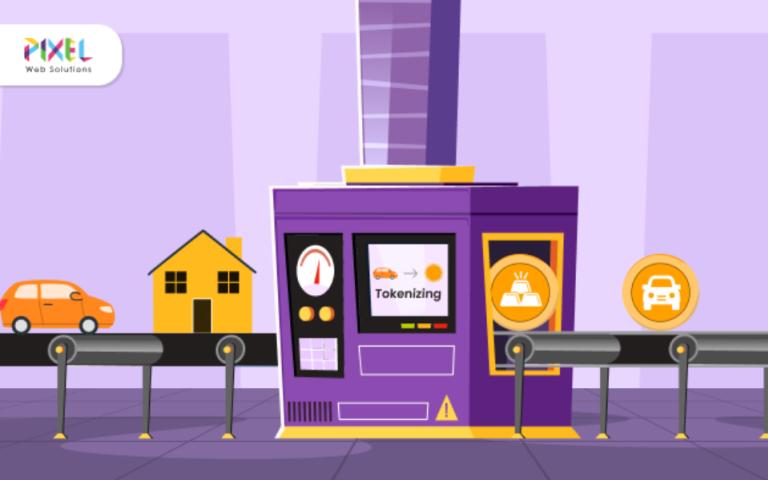
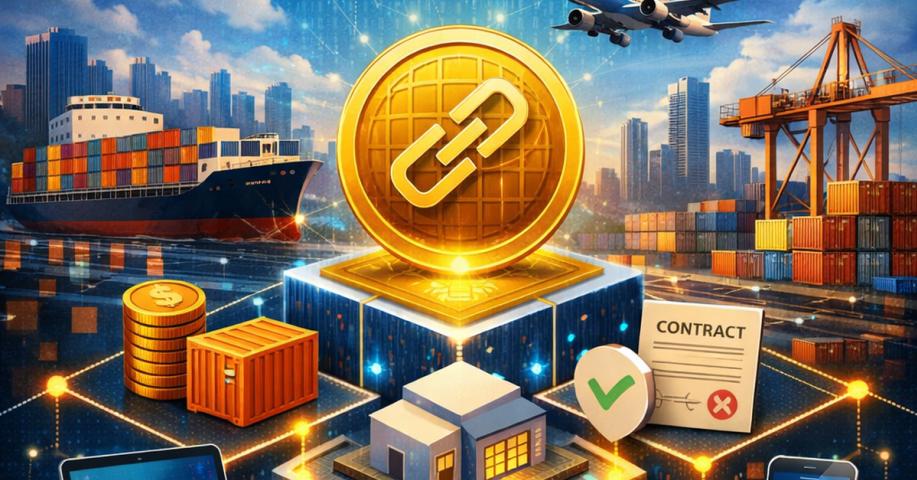
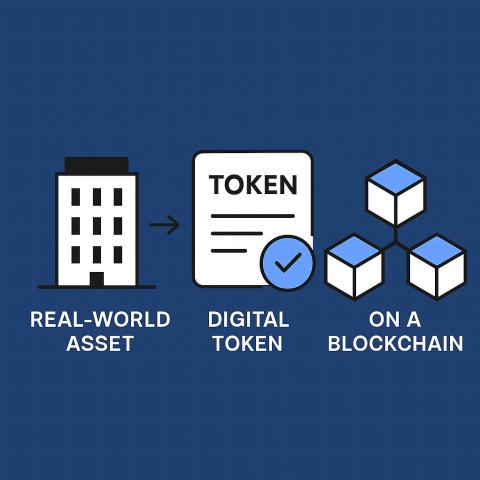
An RWA tokenization platform kinda turns physical or financial assets into blockchain-based digital tokens. Basically, those tokens stand in for ownership, or maybe even fractional shares of an asset, so it becomes easier to trade, invest, and do asset management in a more seamless way.
RWA tokenization platforms are getting more popular by the day, since they can bring better liquidity, more transparency, quicker settlement cycles, and also global accessibility for investors. Platforms that feel similar to Ondo Finance tend to tokenize treasury-backed and other financial assets, which ends up building a more approachable investment environment, or ecosystem, for a wider audience.
Essential Tech Stack to Build an RWA Tokenization Platform
Blockchain Layer
The blockchain network acts as the foundation of an RWA tokenization platform. Choosing the right blockchain impacts transaction speed, scalability, security, and operational efficiency.
Ethereum
Ethereum is, somehow, one of the most preferred blockchains for RWA tokenization platform development, because its secure smart contract infrastructure feels really robust and the ecosystem support is huge. It even keeps working with token standards such as ERC-20 and ERC-3643, so compliant tokenization projects can move forward without too much friction.
Polygon
Polygon kind of gives lower transaction fees and faster processing speeds while still keeping Ethereum compatibility. It is pretty widely used for scalable blockchain applications, you know, the kind that need quick throughput.
Avalanche and Solana
Avalanche and Solana are sort of suitable for enterprise-level platforms, where they need high scalability and also quick transaction throughput, like really fast.
Smart Contract Development Stack
Smart contracts automate asset issuance, ownership transfers, and transaction execution within the platform.
Solidity
Solidity is the main programming language for Ethereum smart contract development. It helps developers build secure tokenization protocols and DeFi functionalities.
Hardhat and Truffle
Hardhat and Truffle simplify smart contract testing, deployment, and debugging processes.
OpenZeppelin
OpenZeppelin offers audited smart contract libraries that improve security and accelerate development.
Frontend Development Technologies
A smooth and user-friendly interface is essential for investor engagement and platform usability.
React.js and Next.js
React.js and Next.js are commonly used to build responsive and scalable frontend applications with faster performance.
Web3.js and Ethers.js
These libraries help connect the frontend with blockchain networks, enabling wallet integration and transaction handling.
Tailwind CSS
Tailwind CSS is widely used for building modern and visually appealing user interfaces.
Backend Development Stack
The backend manages APIs, business logic, and user operations.
Node.js
Node.js is highly scalable and ideal for managing blockchain interactions and real-time operations.
Python
Python enables sophisticated analytics, fraud detection, and AI-powered financial insights.
REST and GraphQL APIs
These APIs ensure seamless communication between frontend applications, backend services, and blockchain infrastructure.
Database and Cloud Infrastructure
Secure data storage and scalable hosting are essential for tokenized asset platforms.
PostgreSQL and MongoDB
These databases are commonly used to store user data, transactions, and asset records securely.
AWS and Google Cloud
Cloud platforms provide scalability, backup solutions, and enterprise-grade hosting infrastructure.
IPFS
IPFS enables decentralized storage for asset metadata and legal documentation.
Security and Compliance Technologies
Security and compliance are critical for building trust in RWA tokenization platforms.
Multi-Signature Wallets
Multi-signature wallets add additional security layers for transaction approvals.
Smart Contract Auditing
Regular smart contract audits help identify vulnerabilities and reduce security risks.
KYC and AML Integration
KYC and AML verification systems ensure regulatory compliance and secure user onboarding.
The Future of RWA Tokenization Platforms
The future of RWA tokenization is bright, as institutional acceptance grows. Innovations in AI, DeFi, and cross-chain interoperability are expected to drive the next phase of blockchain-based asset management.
Businesses adopting the right technology stack today can position themselves strongly in the evolving digital finance ecosystem.
Conclusion
Building an RWA tokenization setup like Ondo Finance really needs that mix of blockchain infrastructure, smart contract development, plus security layers and compliance techs, not just one thing, ok.
If you get Ethereum lined up with Solidity, and you build the front end with React.js, plus scalable cloud services that can handle the load, then businesses can stand up safer and more future-ready tokenized asset platforms. This matters a lot as the DeFi market keeps expanding.
Planning to launch a similar platform? Explore our detailed guide on how to build an RWA Tokenization Platform Like Ondo Finance.