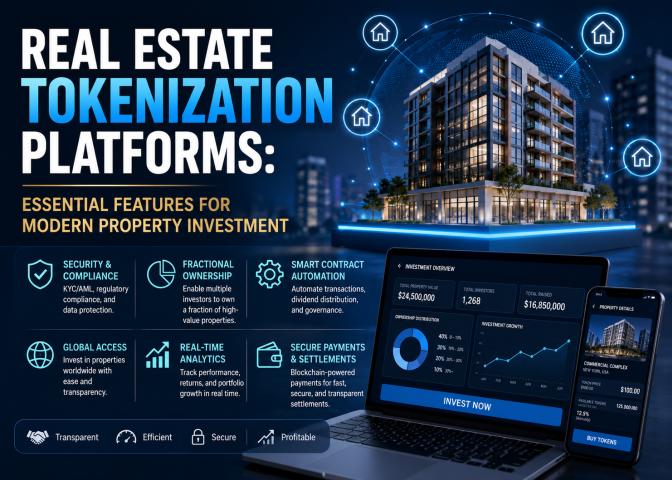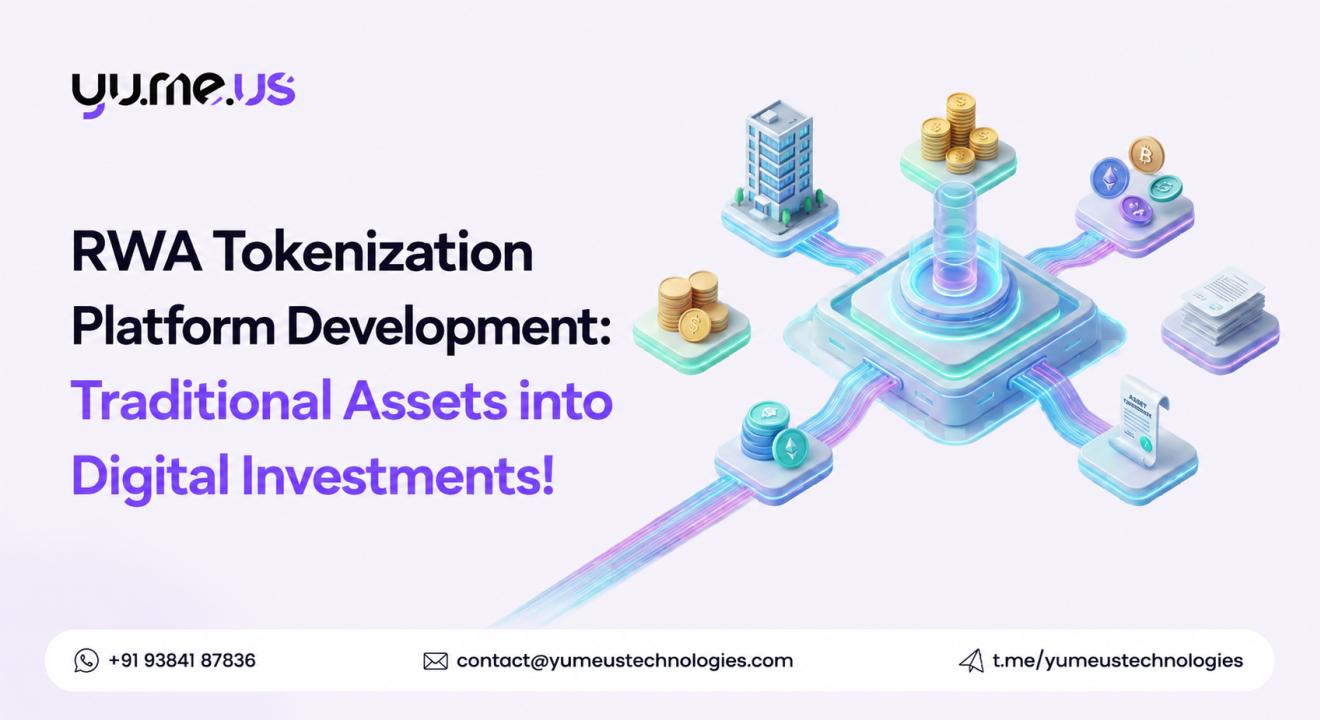
The financial landscape is rapidly evolving, and Real World Asset Tokenization Platform Development is becoming one of the most influential innovations in the blockchain industry. Asset tokenization allows physical and tangible assets to be represented as digital tokens on a blockchain network, creating new opportunities for investors, businesses, and asset owners. From real estate and commodities to art, intellectual property, and private equity, tokenization is redefining how assets are owned, traded, and managed globally.
As the demand for digital investment opportunities grows, businesses are increasingly investing in Real World Asset (RWA) Tokenization Platform Development to unlock liquidity, improve accessibility, and enhance transparency across financial ecosystems.
What is Real World Asset Tokenization?
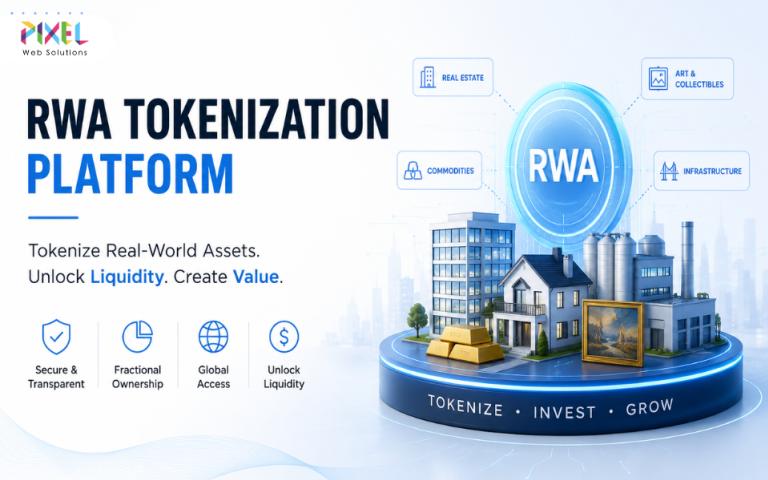
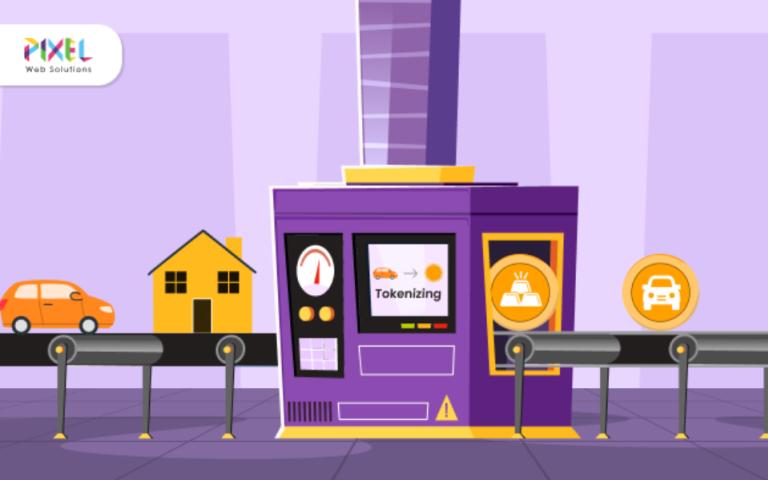
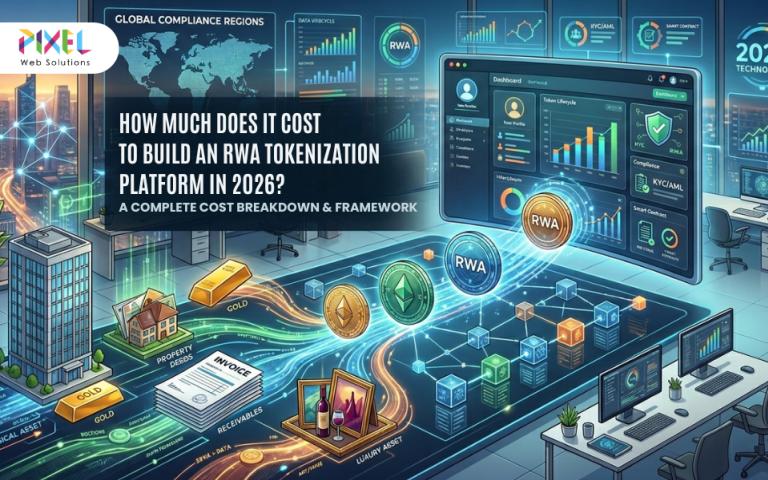
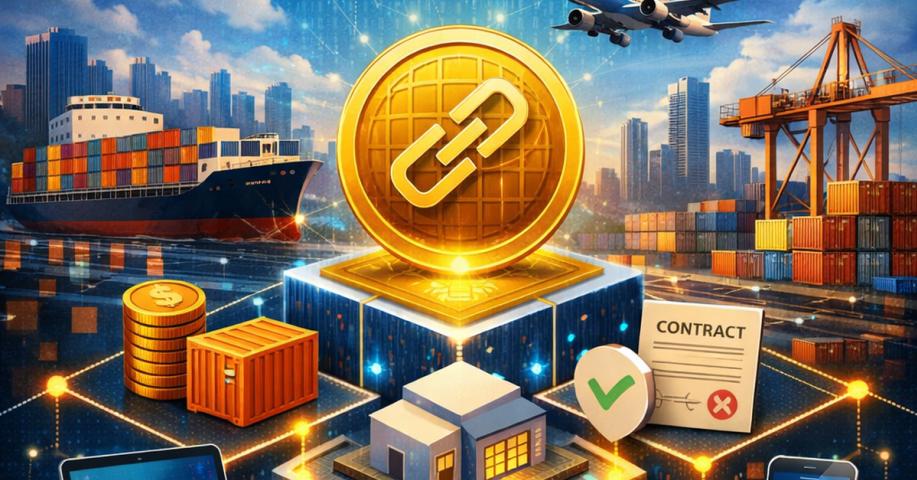
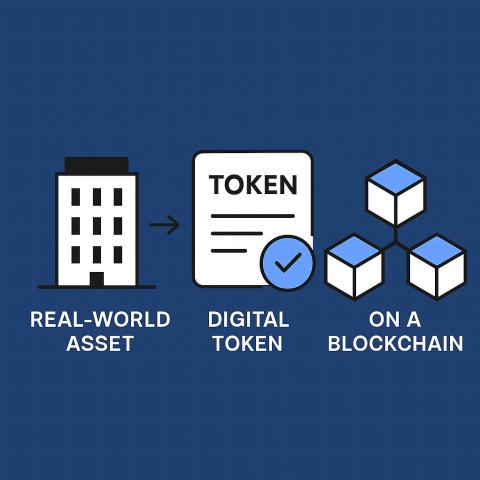
Real World Asset tokenization is the process of converting ownership rights of physical or traditional assets into blockchain-based digital tokens. Each token represents a fractional or full ownership stake in the underlying asset. These tokens can be securely stored, transferred, and traded through blockchain-powered platforms.
By leveraging blockchain technology, RWA tokenization eliminates many traditional barriers associated with asset ownership, including geographical limitations, high entry costs, and complex transfer procedures.
Why Businesses are Investing in RWA Tokenization Platforms
The growing popularity of blockchain technology has accelerated the adoption of tokenized assets. Businesses and financial institutions are recognizing the immense value that tokenization brings to asset management and investment markets.
Enhanced Liquidity
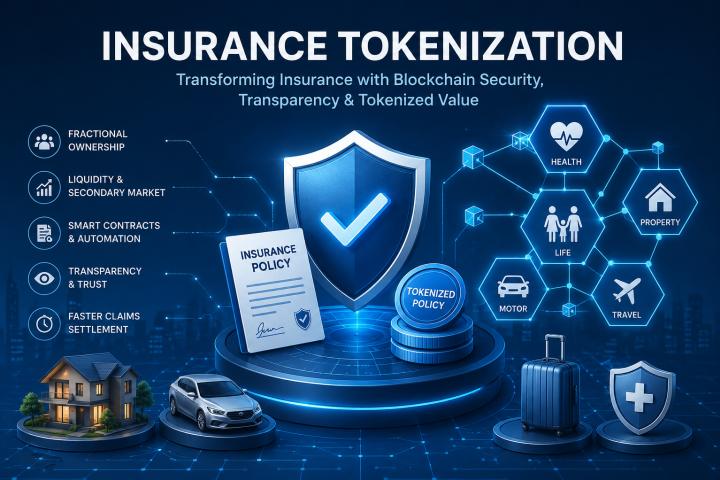
Traditionally, assets such as real estate or private equity investments are considered illiquid due to lengthy selling processes. A Real World Asset Tokenization Platform enables these assets to be divided into smaller fractions, allowing investors to buy and sell ownership shares more easily.
Fractional Ownership
Tokenization lowers the investment barrier by allowing multiple investors to own portions of high-value assets. This democratizes investment opportunities and attracts a broader range of participants.
Improved Transparency
Blockchain technology provides an immutable and transparent ledger where all transactions are recorded and verified. This increases trust among investors and reduces the risk of fraud.
Global Investor Access
A tokenized asset can be accessed and traded by investors worldwide, significantly expanding market reach and investment potential.
Reduced Operational Costs
Automation through smart contracts minimizes administrative tasks, paperwork, and intermediary involvement, resulting in lower operational expenses.
Key Features of a Real World Asset Tokenization Platform
A successful Real World Asset Tokenization Platform Development project incorporates advanced features designed to ensure security, compliance, and scalability.
Asset Digitization Module
This module enables businesses to convert physical assets into blockchain-based digital tokens while maintaining legal ownership records.
Smart Contract Integration
Smart contracts automate token issuance, ownership transfers, dividend distribution, and compliance verification without requiring manual intervention.
Investor Management System
A comprehensive dashboard helps investors monitor holdings, transaction history, returns, and asset performance in real time.
KYC and AML Compliance
Regulatory compliance is critical for asset tokenization. Integrated KYC (Know Your Customer) and AML (Anti-Money Laundering) verification processes help maintain platform integrity.
Multi-Wallet Support
Secure cryptocurrency wallet integration enables users to store, transfer, and manage tokenized assets efficiently.
Secondary Trading Marketplace
A built-in marketplace facilitates seamless buying and selling of tokenized assets, enhancing liquidity and investor engagement.
Industries Benefiting from Asset Tokenization
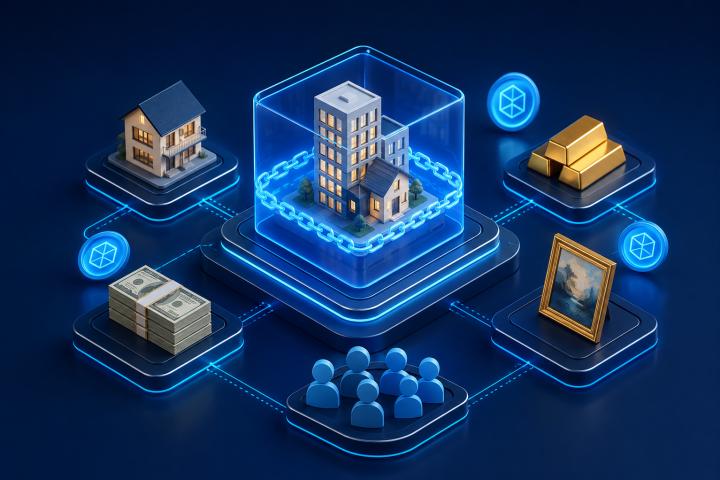
The adoption of RWA Tokenization Platform Development extends across multiple industries:
- Real Estate Tokenization
- Precious Metals Tokenization
- Art and Collectibles Tokenization
- Commodity Tokenization
- Intellectual Property Tokenization
- Private Equity Tokenization
- Carbon Credit Tokenization
- Infrastructure Asset Tokenization
These industries benefit from increased accessibility, liquidity, and streamlined ownership management.
The Role of Blockchain in Real World Asset Tokenization
Blockchain serves as the foundation of asset tokenization platforms by providing decentralization, security, and transparency. Through distributed ledger technology, ownership records become tamper-proof and easily verifiable.
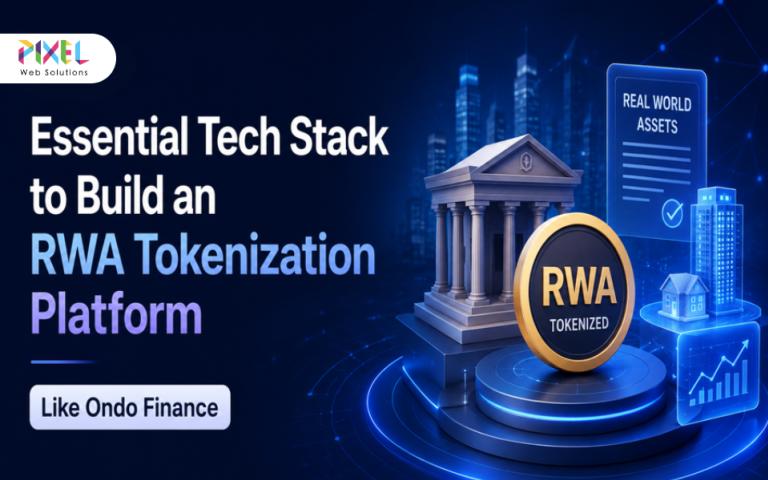
Leading blockchain networks such as Ethereum, Polygon, Binance Smart Chain, Solana, and Avalanche are widely used for developing secure and scalable tokenization solutions. Their smart contract capabilities make them ideal for managing digital representations of real-world assets.
Benefits of Choosing Professional Real World Asset Tokenization Platform Development
Partnering with an experienced development company ensures the successful deployment of a secure and compliant tokenization ecosystem. Professional developers provide:
- Custom platform architecture
- Regulatory compliance support
- Smart contract development
- Asset management solutions
- Secure wallet integration
- Marketplace development
- Scalability and performance optimization
- Ongoing maintenance and technical support
These services help businesses launch robust tokenization platforms capable of serving global investors.
Future of Real World Asset Tokenization
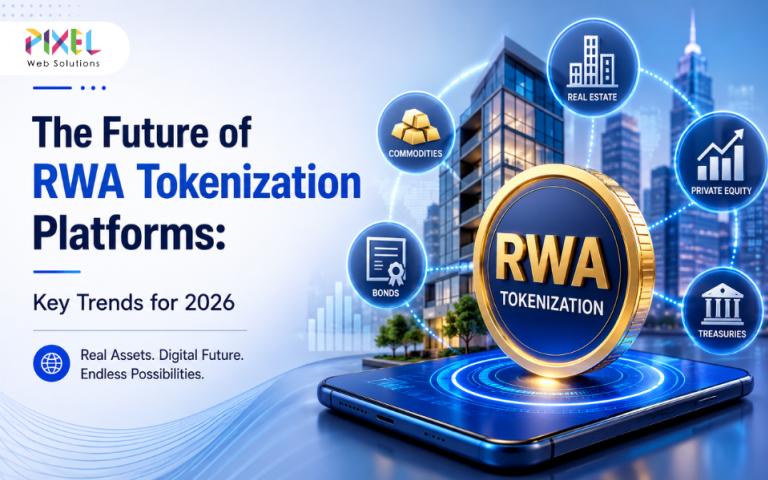
The future of finance is increasingly moving toward digital asset ownership. Analysts predict that tokenized real-world assets will represent a multi-trillion-dollar market in the coming years. As regulations mature and blockchain adoption expands, businesses that invest in Real World Asset Tokenization Platform Development today will be well-positioned to capitalize on emerging opportunities.
The integration of decentralized finance (DeFi), AI-powered asset management, and cross-chain interoperability will further enhance the efficiency and accessibility of tokenized asset ecosystems.
Conclusion
Real World Asset Tokenization Platform Development is revolutionizing traditional investment markets by enabling secure, transparent, and efficient digital ownership of physical assets. Through blockchain technology, businesses can unlock liquidity, attract global investors, facilitate fractional ownership, and streamline asset management processes. As demand for tokenized assets continues to grow, investing in a robust RWA tokenization platform can provide a significant competitive advantage in the evolving digital economy.
Businesses seeking to embrace the future of asset ownership can leverage advanced tokenization solutions to bridge the gap between traditional finance and blockchain innovation while creating new revenue opportunities in a rapidly expanding market.