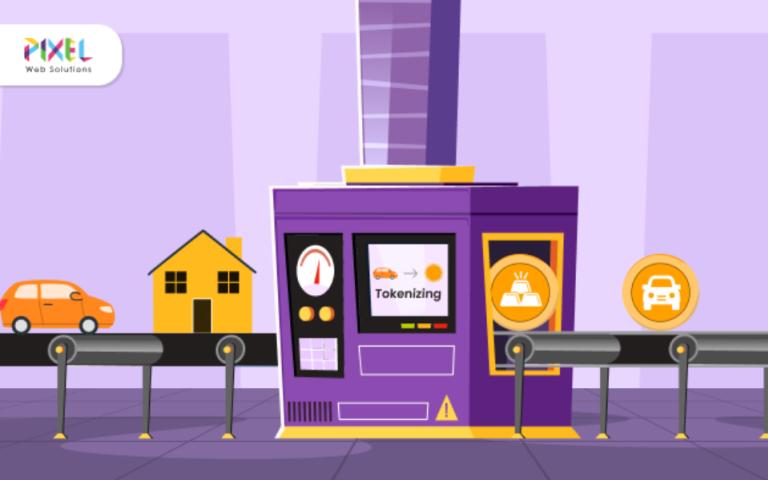
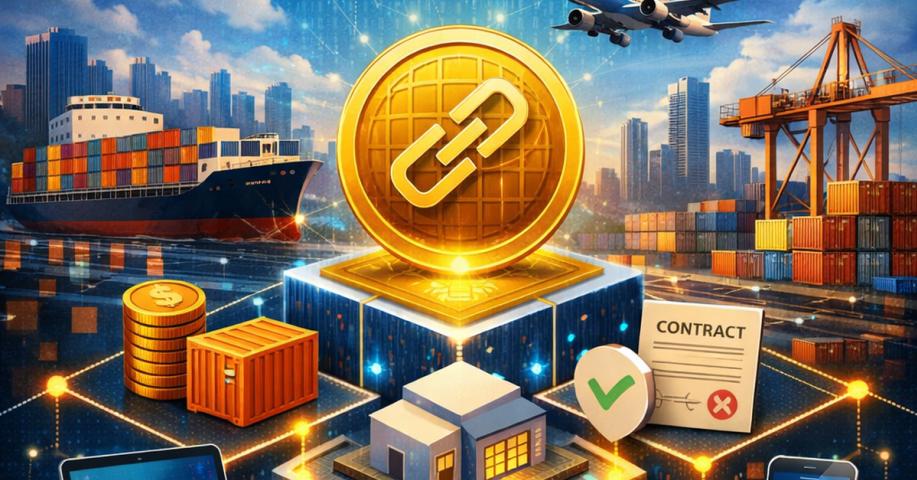
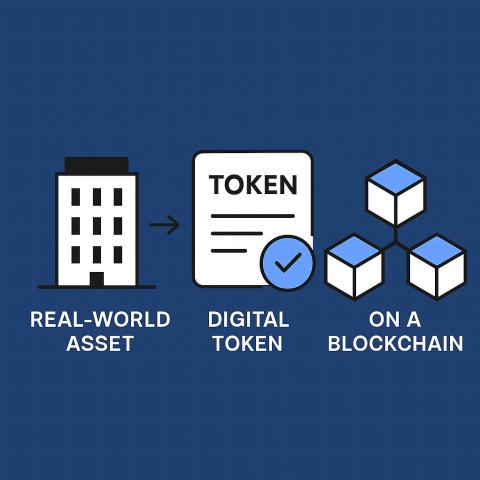
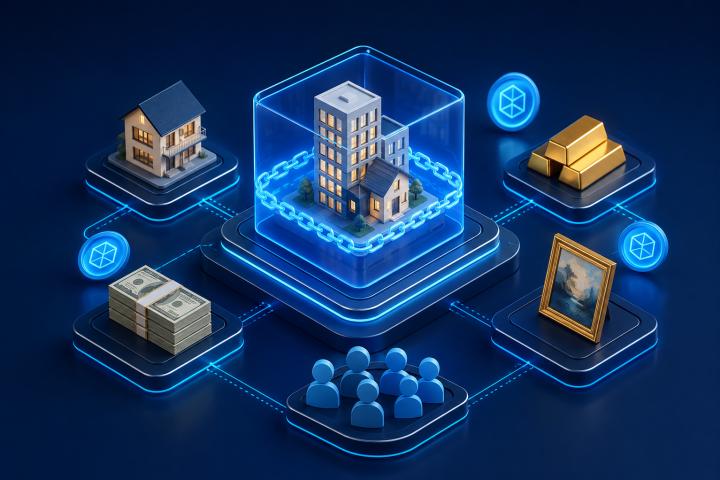
Real-World Asset (RWA) tokenization has become one of the fastest-growing segments in the blockchain industry. By converting physical and financial assets such as real estate, commodities, private equity, invoices, bonds, and artwork into blockchain-based digital tokens, businesses can unlock liquidity, increase transparency, and simplify ownership transfers.
As institutional investors, governments, and fintech companies accelerate blockchain adoption, the demand for a reliable RWA tokenization app development company continues to rise. Organizations are investing in scalable tokenization platforms that offer compliance, automation, and global accessibility.
Let's explore the latest blockchain trends shaping RWA tokenization in 2026.
1. Institutional Adoption Is Accelerating
Large financial institutions are moving beyond pilot projects and launching production-grade tokenization platforms. Banks, asset managers, and investment firms are increasingly tokenizing treasury assets, bonds, private credit, and real estate to improve operational efficiency and settlement speed. Industry reports show the tokenized RWA market has expanded rapidly as institutional participation has grown.
Business Impact
- Increased trust among investors
- Higher market liquidity
- Faster asset settlements
- Improved cross-border investments
2. Real Estate Tokenization Continues to Dominate
Commercial buildings, residential projects, rental properties, and REITs remain among the largest use cases for blockchain tokenization.
Key benefits include:
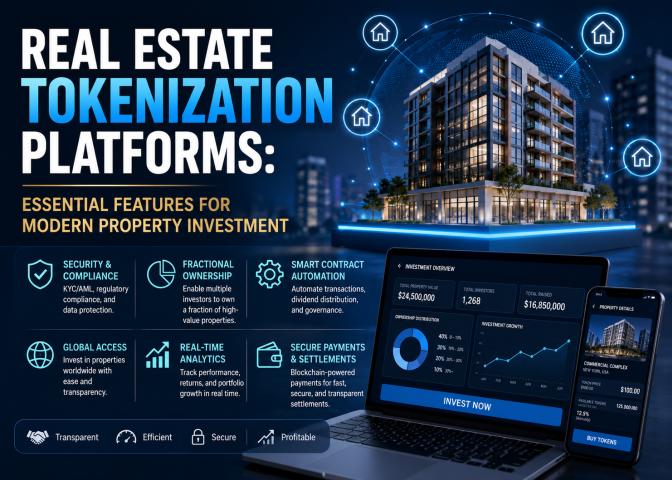
- Fractional ownership
- Reduced investment barriers
- Global investor participation
- Faster property transactions
Businesses seeking these capabilities often partner with an experienced RWA tokenization development company to build secure investment platforms.
3. AI-Powered Asset Valuation
Artificial Intelligence is becoming a core component of modern tokenization platforms.
AI helps organizations:
- Automate asset valuation
- Predict market trends
- Detect fraud
- Assess investment risks
- Improve portfolio management
The combination of AI and blockchain creates smarter tokenization ecosystems with better decision-making capabilities.
4. Compliance-First Blockchain Platforms
Regulatory compliance is no longer optional.
Modern RWA platforms now integrate:
- KYC verification
- AML screening
- Identity management
- Digital compliance records
- Automated reporting
As regulatory clarity improves across major markets, compliance-focused infrastructure is becoming a key differentiator for enterprise tokenization solutions.
5. Cross-Chain Interoperability
Businesses increasingly require assets to move across multiple blockchain ecosystems.
Popular blockchain networks include:
- Ethereum
- Polygon
- Avalanche
- Solana
- BNB Chain
Cross-chain interoperability enables:
- Better liquidity
- Multi-network investments
- Reduced transaction costs
- Wider investor access
6. Smart Contracts Are Becoming More Intelligent
Next-generation smart contracts automate nearly every stage of the asset lifecycle.
Common automation includes:
- Dividend distribution
- Revenue sharing
- Rental income payments
- Ownership transfers
- Investor voting
- Compliance verification
This significantly reduces operational costs while improving transparency.
7. Fractional Ownership Is Driving Retail Investment
Tokenization removes the high capital requirements traditionally associated with premium assets.
Instead of purchasing an entire property or asset, investors can own small fractions through blockchain tokens.
Advantages include:
- Lower entry barriers
- Better portfolio diversification
- Increased market participation
- Improved liquidity
8. DeFi Integration Is Expanding
Modern RWA platforms are increasingly integrating with decentralized finance (DeFi) protocols.
Tokenized assets can now be used for:
- Lending
- Borrowing
- Yield generation
- Collateralization
- Liquidity pools
While adoption is growing, many assets are still moving gradually into DeFi due to compliance and infrastructure considerations.
9. Enhanced Security and Digital Identity
Security remains one of the biggest priorities for blockchain-based investment platforms.
Emerging technologies include:
- Multi-signature wallets
- Biometric authentication
- Decentralized Identity (DID)
- Zero-Knowledge Proofs
- Hardware wallet integration
These features help protect digital assets while ensuring regulatory compliance.
10. Enterprise-Grade Tokenization Platforms
Businesses are no longer looking for basic blockchain applications.
Instead, they require enterprise-ready platforms featuring:
- White-label tokenization
- Investor dashboards
- Asset management
- Portfolio analytics
- Smart contract automation
- Compliance monitoring
- Multi-currency support
- API integrations
This growing demand is increasing the need for specialized RWA tokenization platform development companies that can deliver secure, scalable, and compliant solutions.
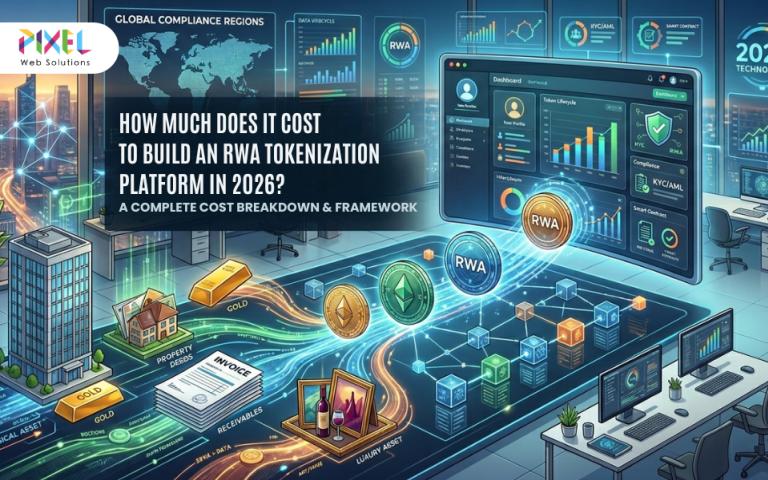
How Much Does RWA Tokenization App Development Cost?
The RWA tokenization app development cost depends on several factors:
- Asset type (real estate, commodities, bonds, etc.)
- Blockchain network selection
- Smart contract complexity
- Compliance requirements (KYC/AML)
- Security architecture
- Cross-chain compatibility
- AI integration
- Wallet development
- Third-party APIs
- Custom dashboard features
Estimated Development Cost
| Project Type | Estimated Cost |
|---|---|
| MVP Platform | $20,000–$45,000 |
| Mid-Level Platform | $45,000–$90,000 |
| Enterprise Solution | $90,000–$250,000+ |
The final cost depends on customization, scalability, integrations, and ongoing maintenance.
Why Partner with an RWA Tokenization App Development Company?
An experienced development partner can help businesses:
- Design secure blockchain architecture
- Develop audited smart contracts
- Ensure regulatory compliance
- Build investor-friendly dashboards
- Integrate wallets and payment systems
- Enable cross-chain compatibility
- Deliver scalable enterprise solutions
Choosing the right technology partner reduces development risks while accelerating time to market.
Final Thoughts
Real-world asset tokenization is transforming how businesses manage, trade, and invest in physical and financial assets. From institutional adoption and AI-powered valuation to DeFi integration and enterprise-grade platforms, blockchain continues to unlock new opportunities across industries. Market momentum is being driven by growing institutional participation, expanding asset classes, and improving regulatory frameworks.
Organizations planning to enter this space should work with an experienced RWA tokenization app development company to build secure, compliant, and scalable solutions. While the RWA tokenization app development cost varies based on features and complexity, investing in a future-ready platform can deliver long-term value as tokenized finance becomes more mainstream.