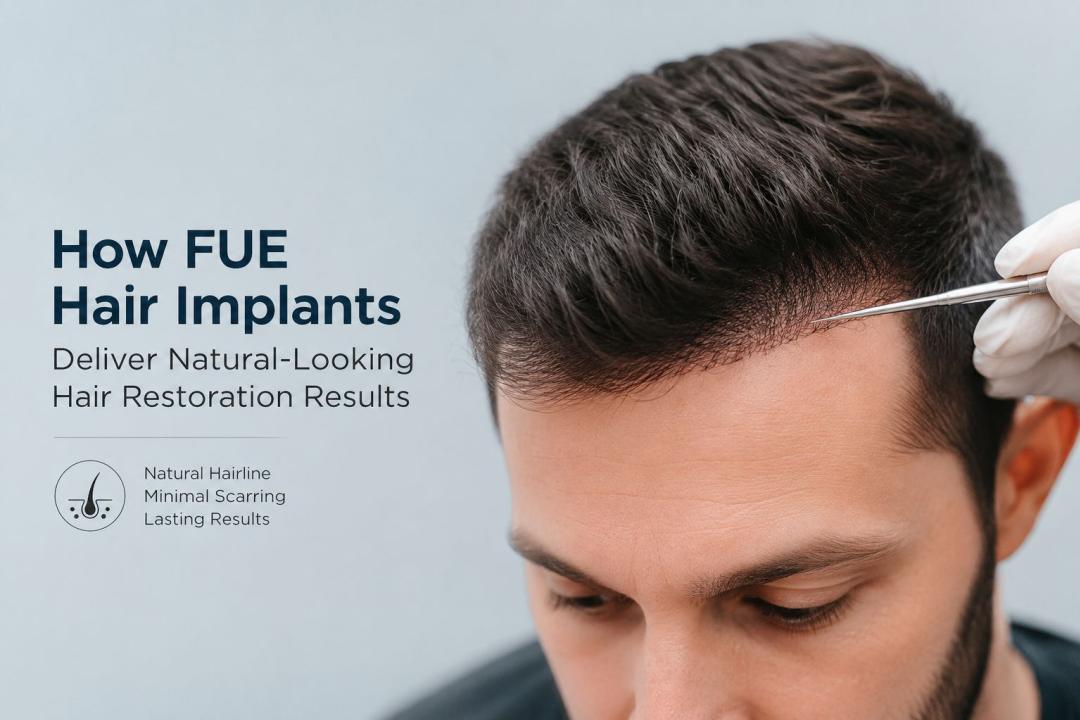
Losing hair changes more than just your appearance. For many people, it quietly chips away at confidence, affects how they present themselves at work, and shapes how they feel walking into a room. The good news is that modern hair restoration has come a long way, and today's techniques make it genuinely possible to regain a full, natural-looking hairline without it being obvious that any work was done at all.
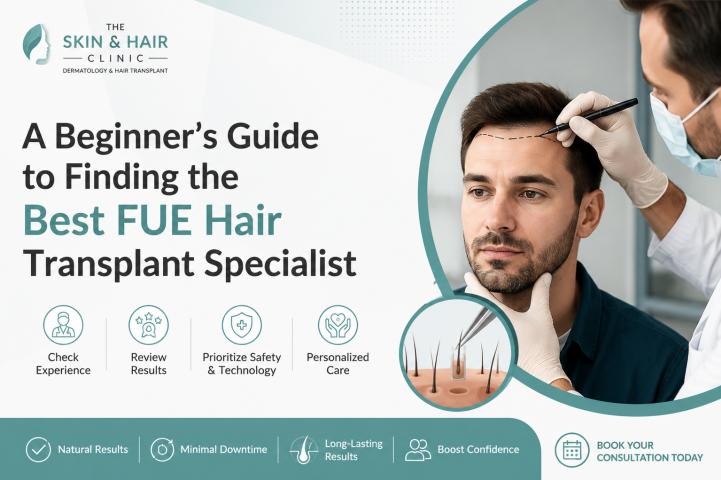
Among the various options available, the FUE hair implant method has become widely regarded as the gold standard for achieving results that blend seamlessly with existing hair. Unlike older approaches that often left visible scarring or unnatural-looking plugs, this technique is precise, minimally invasive, and designed to work with your natural hair growth patterns.
What Is an FUE Hair Implant and How Does It Work?
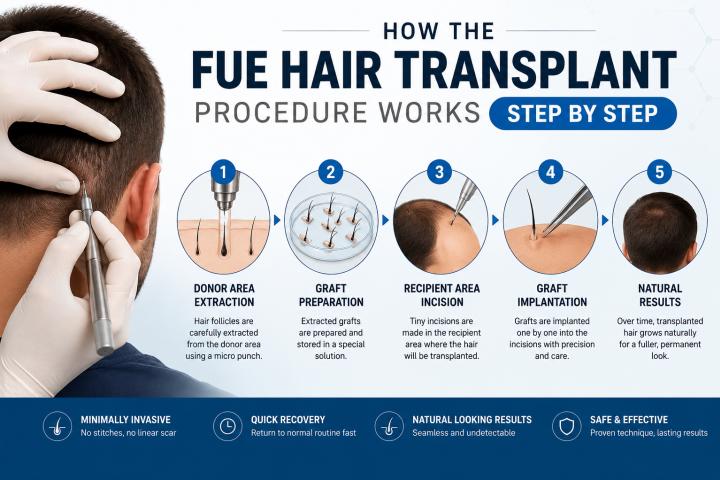
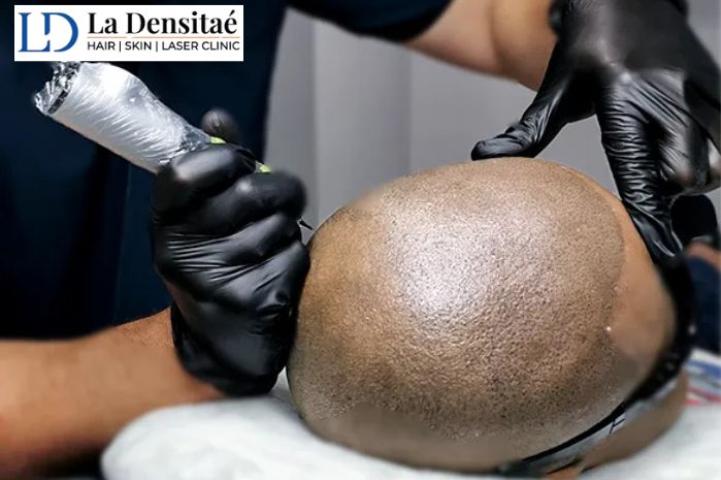
FUE stands for Follicular Unit Extraction. It is a hair transplant technique where individual hair follicles are removed from a donor area, typically the back or sides of the scalp, and carefully placed into thinning or balding areas. Each follicle is extracted one at a time using a small, circular punch tool, which means there is no linear scar left behind.
The precision of the process is what sets it apart. A skilled surgeon maps out the angle, direction, and depth of each implanted follicle to mimic how natural hair grows. This attention to detail is what creates results that look genuinely undetectable. Once the transplanted follicles settle and begin growing, they behave exactly like the rest of your hair because they are, quite literally, your own hair.
Why Natural-Looking Results Come Down to Technique
Many people considering hair restoration worry about looking "done." That concern is completely understandable. The over-treated, helmet-like hairlines associated with older transplant methods have made a lot of people cautious.
The difference today comes down to surgical technique and artistry. A well-performed hair restoration procedure considers the natural hairline shape for your age and face structure, the density of implanted grafts, the spacing between follicles, and the natural variation in hair direction across different zones of the scalp. Rushing any one of these elements can compromise the result.
Clinics that take the time to design a hairline specifically for you, rather than using a generic template, tend to produce outcomes that look effortless. That is why choosing an experienced team matters as much as choosing the right technique.
The Role of Donor Hair Quality
Not everyone is an ideal candidate for hair transplant surgery, and a good clinic will tell you this honestly. The success of any follicular transfer depends heavily on donor hair quality and density. If the donor area is too thin, there may not be enough healthy grafts to achieve meaningful coverage.
A thorough consultation should include a scalp analysis to assess donor density, hair calibre, and the extent of thinning. Clinics that skip this step or promise results without fully evaluating your scalp are ones to be wary of. Realistic expectations, set from the beginning, are a sign of a trustworthy practice.
What to Expect During Recovery
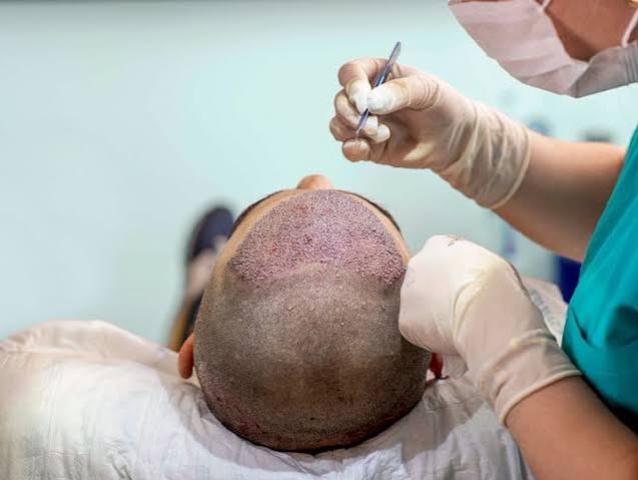
Recovery after an FUE procedure is generally straightforward compared to older transplant methods. Most patients experience some mild redness and tiny scabs around the implanted follicles in the first week. These settle quickly, and most people feel comfortable returning to light work within a few days.
The transplanted hairs typically shed within the first few weeks, which can feel alarming if you are not prepared for it. This is completely normal. The follicles are still intact beneath the skin, and new hair growth generally begins within three to four months. Full results are usually visible by the twelve-month mark.
Following post-procedure care instructions carefully, avoiding direct sun exposure on the scalp, and steering clear of strenuous exercise in the first two weeks all contribute to better healing and stronger growth outcomes.
Finding an Affordable FUE Hair Transplant Without Compromising Quality
Cost is one of the most common concerns for people exploring hair restoration. The phrase "affordable FUE hair transplant" appears in search queries thousands of times each month, and it reflects a very real anxiety: people want quality results without an unrealistic price tag.
Pricing for follicular unit extraction varies depending on the number of grafts needed, the complexity of the case, and the experience of the surgical team. While it is tempting to seek the lowest price, hair transplant surgery is a medical procedure, and cutting corners on cost often means cutting corners on care. A higher upfront investment in a reputable clinic typically delivers far better long-term value than a cheaper procedure that requires corrective work later.
The Skin and Hair Clinic offers transparent consultations where pricing is discussed openly based on your individual needs, with no hidden costs and no pressure to commit before you are ready. This kind of honesty is what separates a clinic focused on patient outcomes from one focused purely on volume.
Choosing a Clinic You Can Trust
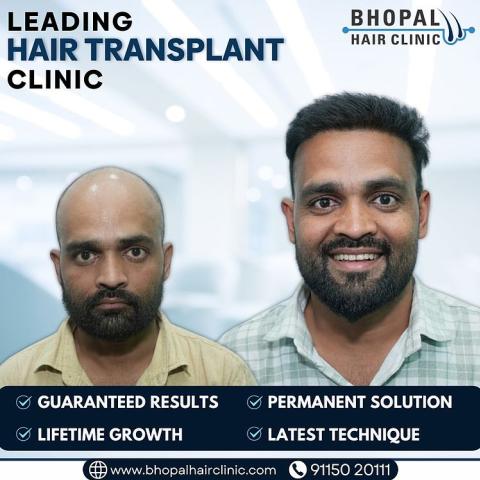
When searching for a hair loss clinic in Liverpool, the quality of the medical team, the cleanliness of the facility, and the transparency of the consultation process should all factor into your decision. Patient before-and-after galleries, verified reviews, and the credentials of the surgeon performing the procedure are worth examining carefully.
A clinic worth trusting will never promise unrealistic density, will explain all risks clearly, and will provide a personalised treatment plan rather than a one-size-fits-all package. The consultation is your opportunity to ask questions and assess whether the team listens to your concerns or simply moves to close a sale.
Take the First Step Toward Lasting Results
If hair loss has been affecting your confidence and you have been putting off exploring your options, there has never been a better time to seek expert advice. Modern hair restoration techniques, when performed by an experienced team, genuinely deliver results that look and feel natural.
Book a consultation with The Skin and Hair Clinic today to receive a thorough scalp assessment, an honest evaluation of your suitability for treatment, and a clear picture of what results you can realistically expect. Your hair restoration journey starts with a single conversation, and that conversation could change everything.
Frequently Asked Questions
Is an FUE hair implant permanent?
Yes. The follicles transplanted during an FUE procedure are taken from areas of the scalp that are genetically resistant to hair loss. Once they establish themselves in the recipient area, they continue to grow for life, just as they would in their original location.
How many grafts will I need?
The number of grafts required depends on the extent of your hair loss, the density you want to achieve, and the quality of your donor area. A proper consultation with a surgeon will give you a personalised graft estimate rather than a generic figure.
Will people be able to tell I have had a hair transplant?
When performed by a skilled surgeon using proper technique, the results of a well-planned procedure are very difficult to detect. The goal is always to create a hairline and density that looks as though it was never lost.
Is there a lot of pain involved?
The procedure is performed under local anaesthetic, so discomfort during the treatment itself is minimal. Some patients report mild soreness in the days following, but this is manageable with standard over-the-counter pain relief.
How long before I see the final results?
Most patients begin to see new hair growth at around three to four months. The results continue to improve over the following months, with the full outcome typically visible at the twelve-month mark.
What is the difference between FUE and FUT?
FUT (Follicular Unit Transplantation) involves removing a strip of scalp tissue from the donor area and dissecting it into individual grafts. This leaves a linear scar. FUE, by contrast, extracts follicles individually, leaving only tiny dot-like marks that are not visible once healed. Most patients today prefer FUE for this reason.