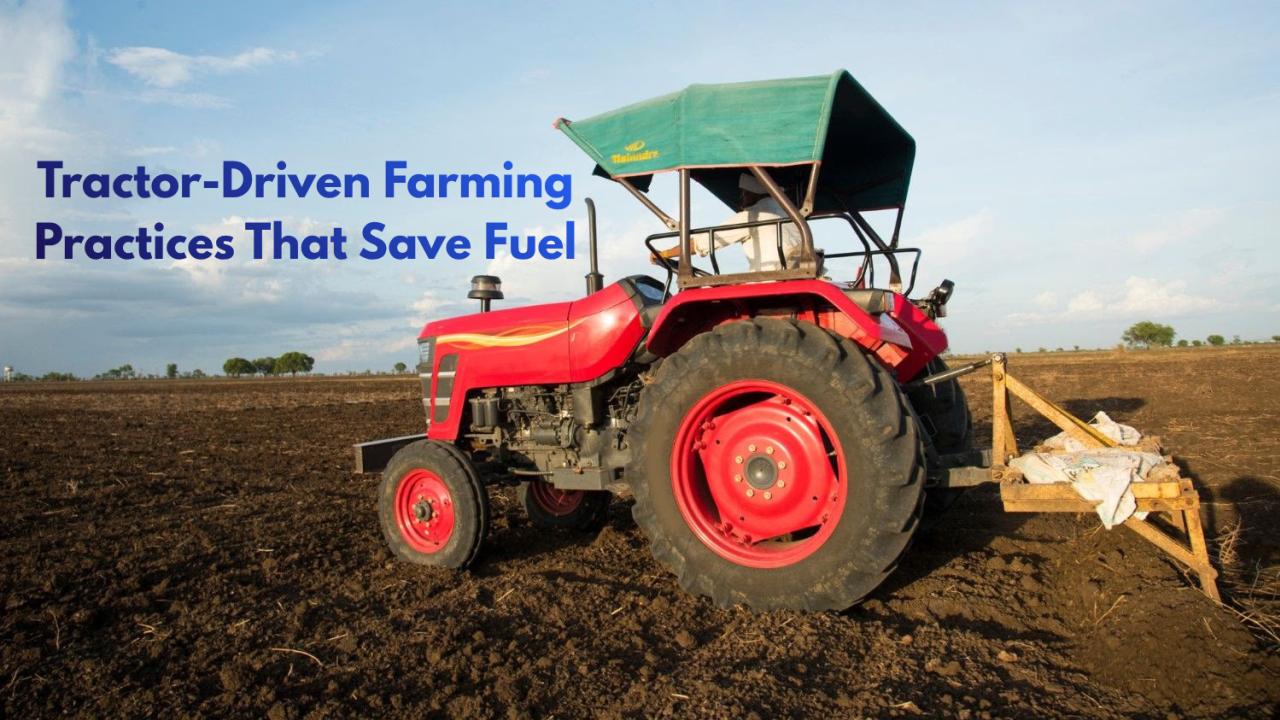
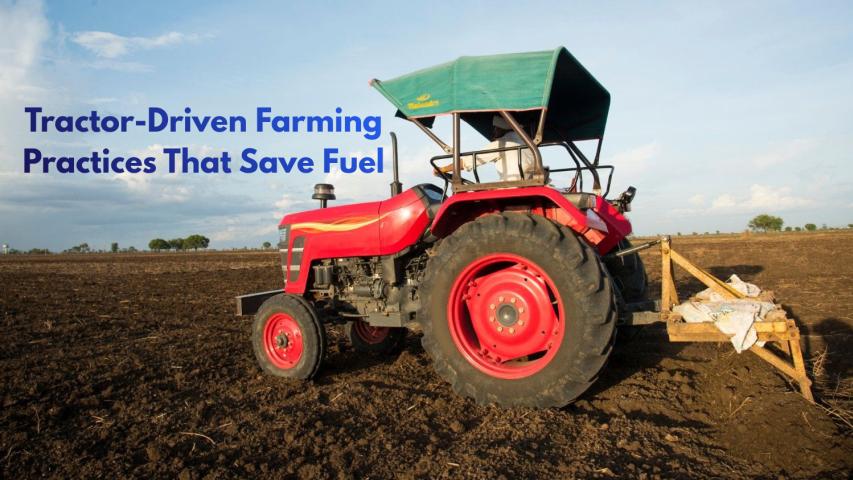
Fuel costs account for a significant portion of modern farming expenses. With increasing pressure to maximize productivity while controlling operational costs, farmers are focusing more on fuel-efficient farming methods. By adopting the right field practices, maintaining machinery properly, and leveraging modern agricultural technologies, farmers can substantially reduce fuel consumption and improve profitability.
Why Fuel Efficiency Matters in Agriculture
Fuel is essential for almost every farming operation, from land preparation and sowing to harvesting and transportation. Even a small reduction in fuel usage can lead to considerable savings over an entire cropping season.
Key Benefits of Fuel-Efficient Farming
- Lower operating costs
- Increased farm profitability
- Reduced machine wear and tear
- Improved field productivity
- Lower environmental impact
- Better return on agricultural investments
Choose the Right Equipment for the Job
One of the most common reasons for excessive fuel consumption is using oversized machinery for tasks that require less power. Selecting the right Tractor based on farm size, soil conditions, and agricultural requirements helps optimize fuel usage and operational efficiency.
Best Practices
- Match horsepower with field requirements.
- Avoid overloading implements.
- Use suitable gears for different operations.
- Follow manufacturer-recommended operating speeds.
- Utilize appropriate attachments for specific tasks.
When equipment is properly matched to the workload, the engine operates more efficiently, resulting in lower fuel consumption.
Maintain Proper Tire Pressure
Tire pressure has a direct impact on fuel efficiency. Underinflated tires create additional rolling resistance, forcing the engine to work harder and consume more fuel.
Tire Maintenance Tips
- Check tire pressure regularly.
- Maintain recommended pressure levels.
- Inspect tires for uneven wear.
- Replace damaged or excessively worn tires.
Proper tire maintenance can improve traction and reduce unnecessary fuel wastage during field operations.
Reduce Engine Idling Time
Many farmers unknowingly waste fuel by allowing machinery to idle for extended periods. Excessive idling burns fuel without performing any productive work.
Ways to Minimize Idling
- Turn off the engine during long breaks.
- Plan field operations efficiently.
- Avoid unnecessary warm-up periods.
- Organize transportation routes in advance.
Reducing idle time can result in substantial fuel savings throughout the farming season.
Follow a Regular Maintenance Schedule
Well-maintained machinery performs more efficiently and consumes less fuel. Neglecting maintenance often leads to reduced engine performance and higher operating costs.
Essential Maintenance Activities
- Change engine oil on schedule.
- Clean air and fuel filters regularly.
- Inspect belts and hoses.
- Check hydraulic systems.
- Service injectors and fuel lines.
Regular maintenance not only improves fuel economy but also extends equipment lifespan.
Optimize Field Operations
Efficient field planning can significantly reduce unnecessary fuel consumption.
Smart Field Management Practices
- Combine multiple operations whenever possible.
- Reduce overlapping passes in the field.
- Use GPS-guided farming technologies.
- Plan the shortest and most efficient routes.
- Avoid working in excessively wet soil conditions.
These practices help reduce machine hours and improve overall productivity.
Consider Long-Term Ownership Costs
When purchasing agricultural machinery, focusing solely on the initial investment may not provide the complete picture. Factors such as maintenance expenses, fuel efficiency, resale value, and Tractor Price should all be considered before making a buying decision.
Farmers who evaluate total ownership costs often achieve better financial returns over the life of their equipment.
Modern Technology Helps Save Fuel
Today's agricultural machinery includes several advanced features designed to improve efficiency and reduce operating costs.
Fuel-Saving Technologies
- Power steering systems
- Efficient transmission technologies
- Precision farming tools
- Auto-guidance systems
- Advanced engine management systems
- Real-time performance monitoring
These innovations help farmers perform tasks more accurately while consuming less fuel.
Evaluating Modern Tractor Options
Farmers comparing different brands and models should carefully assess fuel efficiency, performance capabilities, and long-term value. Reviewing specifications alongside the Sonalika Tractor Price can help buyers understand how modern technology contributes to operational savings and productivity gains.
Conclusion
Fuel-efficient farming is no longer just an option—it has become a necessity for improving profitability in modern agriculture. By selecting suitable machinery, maintaining equipment regularly, optimizing field operations, and adopting advanced technologies, farmers can significantly reduce fuel expenses without compromising productivity.
Implementing these tractor-driven farming practices can help create a more sustainable, efficient, and cost-effective agricultural operation for the future.