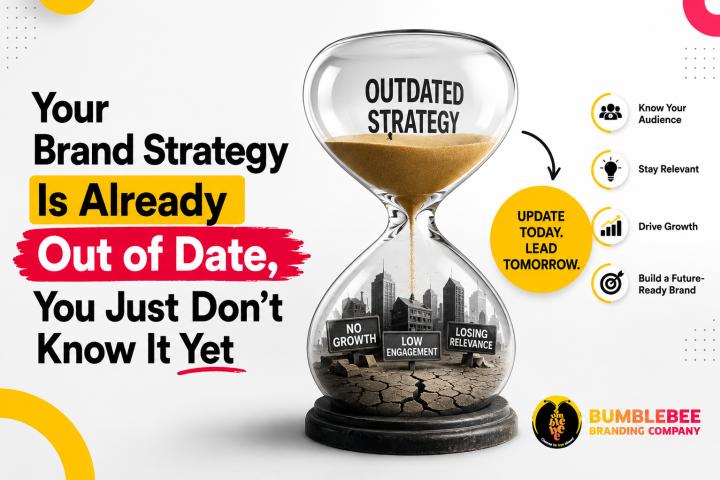
Branding used to move slowly. A logo refresh every five years, a tagline that stuck around for a decade, a tone of voice document that quietly gathered dust in a shared drive. That pace doesn't exist anymore, and the businesses still operating on it are starting to feel the gap.
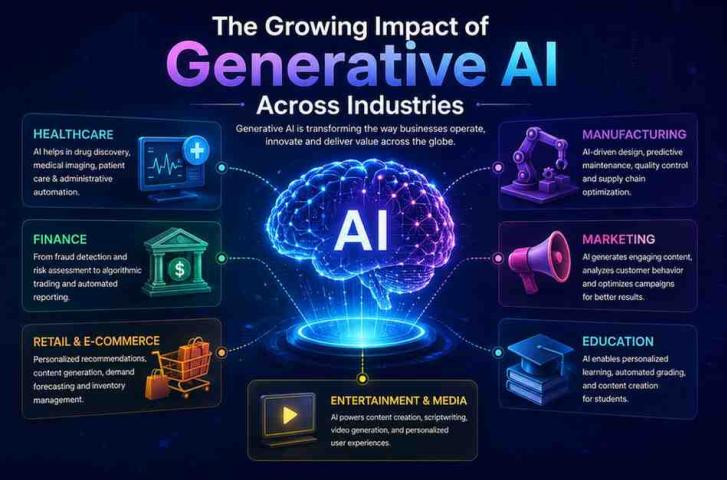
AI hasn't just changed how brands produce content, it's changed how fast customer expectations evolve, how personalized communication needs to be, and how much a brand can realistically keep up with before it starts to feel generic by comparison.
Why "We'll Get to It Eventually" Is No Longer a Strategy
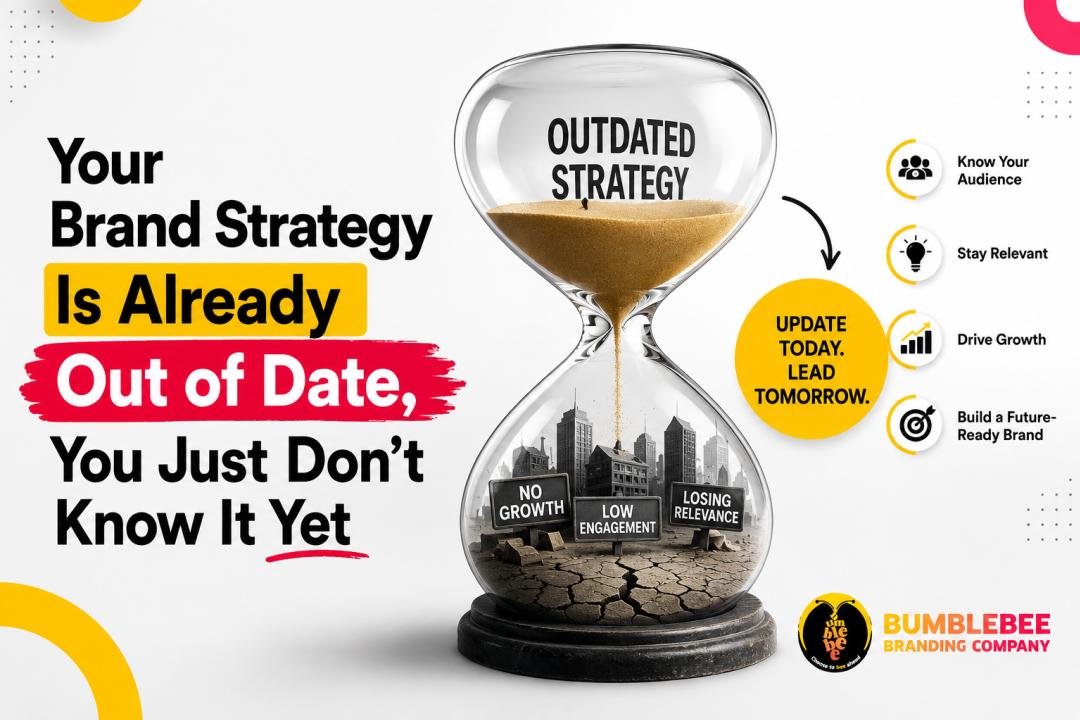
Plenty of businesses are aware AI is reshaping marketing but are taking a wait-and-see approach, assuming there's still time before it becomes a competitive necessity rather than a nice-to-have. The problem is that competitors who adopted these tools a year or two ago aren't just producing content faster, they're producing more relevant, more personalized, more frequently tested content. That compounds. A brand that's still working at the old pace isn't standing still, it's falling behind in relative terms every quarter.
Where the Real Shift Is Happening
- Personalization at scale: Brands can now tailor messaging to audience segments, or even individuals, in ways that used to require entire teams and budgets only large companies could afford.
- Faster creative iteration: Testing multiple brand voices, visuals, or campaign angles used to take weeks. Now it can happen in days, which means brands learn what resonates much faster.
- Consistency across channels: Maintaining a coherent brand voice across social, email, ads, and web content is far easier to manage and audit with AI-assisted tools than it was through manual processes alone.
- Data-informed brand decisions: Brand positioning is increasingly being shaped by real audience signal rather than internal opinion or guesswork, which changes how confidently businesses can commit to a direction.
The Risk of Getting This Wrong
It's not just about falling behind on output speed. Businesses that adopt AI tools carelessly, without a clear brand foundation guiding them, risk producing content that's fast but forgettable, technically on-brand but emotionally flat. The tools themselves don't build a brand, they amplify whatever strategic clarity, or lack of it, already exists underneath.
That's the part most businesses underestimate. AI adoption without strategy doesn't fix weak branding, it just produces more of it, faster.
What Forward-Thinking Businesses Are Doing Differently
The Bumblebee Branding Company has put together a clear breakdown of exactly how AI is reshaping branding heading into 2025, including what businesses actually need to prioritize to stay competitive rather than just busy, in AI Changing Branding in 2025: What Businesses Need to Know. It's a practical starting point if you're trying to figure out where your brand actually stands in this shift.
The Takeaway
The businesses that will stand out over the next few years aren't necessarily the ones with the biggest budgets, they're the ones treating AI as a tool that sharpens a clear brand strategy, not a replacement for having one. Waiting to "see how it plays out" is itself a competitive decision, and not usually the right one.