Selling into forestry is a different kind of challenge than most B2B industries. Your buyers aren't sitting at a desk in an office park. They're managing timberland out in the field, running a sawmill floor, or overseeing a reforestation project miles from cell service. If you sell logging equipment, mill machinery, GIS software, or biomass systems, you already know how hard it is to find the right person, let alone get them to open an email.
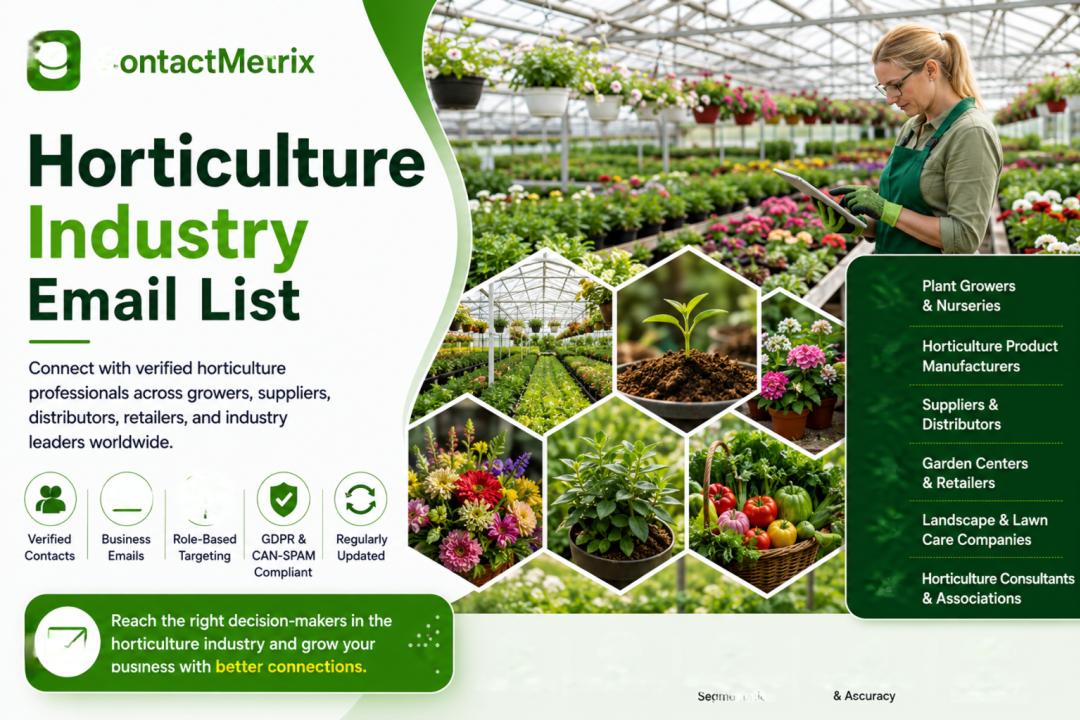
That's the gap a forestry email list is built to close. It's a database put together specifically for this industry, with verified contact details for the people who actually make purchasing decisions: timberland managers, logging contractors, mill owners, and procurement heads. Providers like ContactMetrix build these lists so you're not cold-calling a general company line and hoping to get transferred. You're reaching someone whose job is to evaluate exactly what you're offering.
What's Actually in One of These Lists
A useful forestry contact list is more than a name and an email address. A solid one includes 20 or more data fields, and each one helps you figure out who's actually worth contacting. Expect things like:
- Full name and job title
- Business email and direct phone number
- Company name, website, and industry classification (including NAICS codes)
- Location down to the forest region
- Revenue range and employee size
- Forest acreage managed
- Timber harvest volume, measured in annual board feet
- Timber type, whether that's hardwood, softwood, mixed, or pulpwood
That last group of fields is what makes forestry data genuinely different from a generic business list. Knowing that a company manages 50,000 acres of softwood, or harvests a specific volume each year, tells you far more about whether they need your product than a job title alone ever could.
Who Gets the Most Out of This Data
Not every business needs this kind of list, but if your customers sit anywhere in the timber or forest management chain, it can save a lot of wasted effort. A few examples:
Sawmill and wood processing suppliers can go straight to mill owners and production managers who need debarkers, resaws, edgers, or dry kilns, instead of relying on a trade directory nobody checks.
Forest management and conservation services can reach timberland managers and consultants who need GIS mapping, growth modeling, or FSC and SFI certification support, right when they're evaluating those tools.
Reforestation and nursery suppliers can connect with silviculture specialists and land managers shopping for seedlings, planting equipment, or pest control, rather than guessing who handles that budget.
Biomass and bioenergy companies can reach plant managers and wood pellet producers who need chippers, grinders, or fuel handling systems, which is a much narrower and more useful audience than "forestry" as a whole.
Timber harvesting equipment manufacturers can target logging contractors and fleet managers who are actually in the market for harvesters, forwarders, or skidders.
The industry also splits into clear sub-sectors: logging, sawmills, forest consulting, reforestation, pulp and paper, bioenergy, wildfire management, conservation, equipment, and timber trading. Each has its own roles worth knowing, from a Head Sawyer at a lumber mill to a Fire Management Officer handling wildfire risk, and a well-built list should let you filter down to that specific role instead of buying a broad, unsorted batch of contacts.
Why Data Quality Matters More Than Data Quantity
It's tempting to assume a bigger list is automatically better, but a database of 150,000 outdated contacts isn't worth much if a large chunk of the emails bounce or belong to someone who left the company last year. What actually matters is accuracy and how often the list gets refreshed. People move between companies, mills change ownership, and land management contracts shift hands, so a static list starts losing value fast.
Before buying any forestry contact database, whether it's from ContactMetrix or another provider, it's worth asking a few questions:
- How often is the data verified and refreshed?
- Are the contacts opt-in, meaning people who've agreed to be reached for business purposes?
- What happens with a hard bounce? Some providers replace bad contacts at no extra cost, which is worth confirming before you buy.
- Can the list be filtered by things that matter to your business, like forest acreage or timber type, instead of just a broad industry label?
A provider that refreshes data every month or so and replaces bad contacts is a safer bet than a static file that was compiled once and never touched again.
Getting Started Without Wasting Budget
The smartest way to test any contact list is to ask for a sample before committing to anything. A handful of real (even if partially masked) records will show you how the data is structured and whether the companies listed actually fit who you're targeting. If you sell to sawmills, you want to see mill managers and production supervisors in that sample, not a generic mix of unrelated forestry contacts.
From there, most providers, ContactMetrix included, let you build a custom list around your ideal customer profile: company size, revenue, region, job title, even SIC and NAICS codes if you need that level of precision. That's a far better use of a marketing budget than sending a mass email and hoping something lands.
Forestry is a relationship-driven industry, and cold outreach only works when it reaches someone who's actually in a position to say yes. A well-built, regularly updated contact list won't replace a strong product or a good pitch, but it does mean your first message lands in front of the right person instead of getting lost in a general inbox.