Quick Summary: Many homeowners try to reduce noise using thick rugs and heavy curtains, hoping they'll create a quieter environment. While these furnishings can help soften echoes and absorb a small amount of sound, they are not designed to solve serious acoustic problems. Professional acoustic solutions provide far greater control over reverberation, speech clarity, and sound transmission, making them the preferred choice for long-term noise management.
Introduction
When unwanted noise becomes a daily annoyance, many people look for quick and affordable fixes. Thick curtains are installed over windows, plush rugs cover hard floors, and furniture is rearranged in the hope of creating a quieter room.
These methods can make a space feel warmer and slightly less echo-prone, but they often fall short when dealing with persistent noise from neighbours, traffic, offices, or busy households.
The reason is simple.
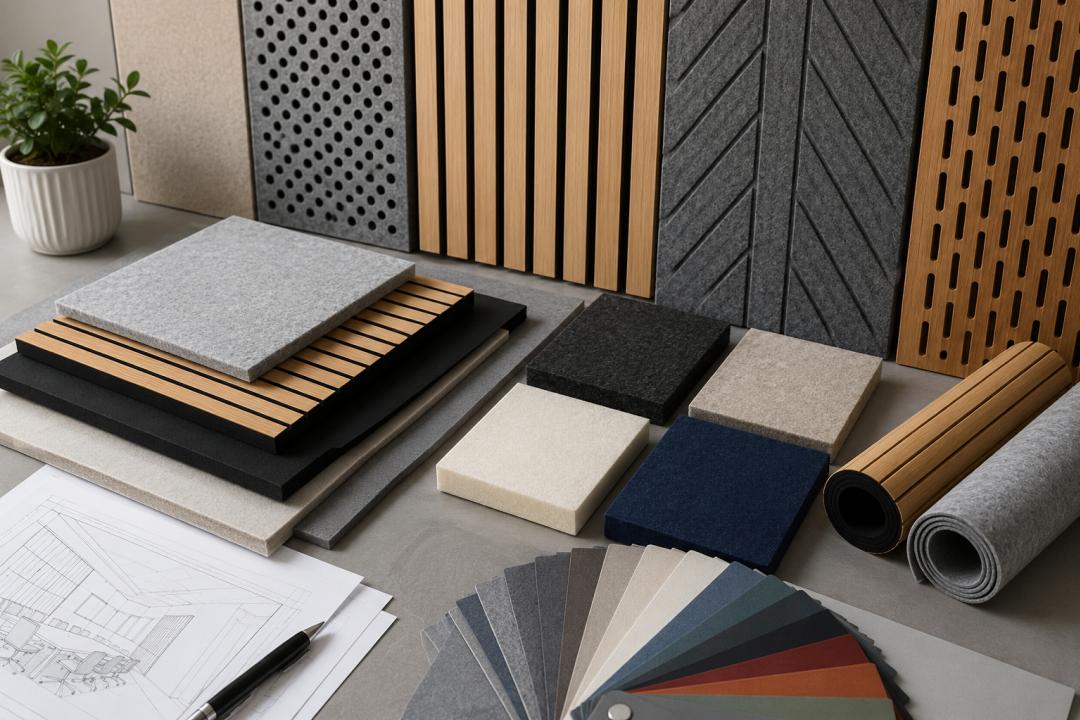
Soft furnishings and professional acoustic treatments are designed to solve different problems. While rugs and curtains primarily reduce sound reflections within a room, modern acoustic solutions are engineered to control sound more effectively through specialised materials and scientifically tested designs.
Understanding the difference helps homeowners, architects, and businesses invest wisely rather than relying on solutions that only offer limited improvements.
What Thick Rugs and Curtains actually do
Soft furnishings absorb a portion of the sound that strikes them.
Heavy curtains can slightly reduce reflections from glass windows, while thick rugs minimise sound bouncing off hard flooring.
Their primary benefits include:
- Softer room acoustics
- Reduced echo
- Improved comfort
- Better interior aesthetics
However, their impact is generally limited to high-frequency sounds and internal reflections. They are not designed to block significant amounts of external noise or prevent sound from travelling through walls and ceilings.
What Professional Acoustic Solutions are Designed to Do
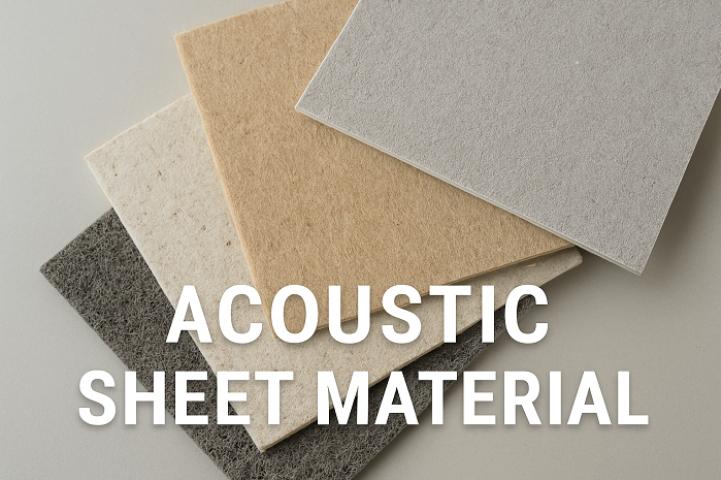
Unlike decorative furnishings, acoustic solutions are specifically engineered to manage sound behaviour.
Depending on the application, they may:
- Absorb reflected sound
- Reduce reverberation
- Improve speech clarity
- Limit sound transmission
- Enhance listening environments
- Support greater acoustic privacy
These products undergo performance testing to ensure measurable improvements across different acoustic conditions.
Comparing Performance
When deciding between decorative furnishings and professional acoustic treatment, several differences become clear.
Noise Reduction
Thick rugs and curtains provide only modest improvements by reducing some reflected sound.
Professional acoustic solutions deliver significantly greater acoustic control because they are specifically designed to absorb, dampen, or isolate sound depending on the application.
Speech Clarity
Rooms with excessive echo often make conversations more difficult to understand.
Acoustic panels and specialised ceiling or wall treatments improve speech intelligibility far more effectively than fabric furnishings.
This is especially valuable in offices, classrooms, conference rooms, and home workspaces.
Low-frequency Performance
Bass frequencies are among the most difficult sounds to control.
Standard curtains and rugs have very little effect on these lower frequencies.
Professional acoustic solutions can be designed to manage a much broader frequency range, resulting in a more balanced acoustic environment.
Long-Term Value
Although rugs and curtains serve important decorative purposes, they are rarely installed solely for acoustic performance.
Dedicated acoustic products provide lasting benefits by improving comfort, productivity, privacy, and overall room functionality.
Where Rugs and Curtains Work Well
Soft furnishings still have an important place in interior design.
They are particularly useful for:
- Reducing slight echoes
- Improving room comfort
- Complementing acoustic treatments
- Enhancing residential interiors
- Creating warmer living spaces
In many projects, they work best as supportive elements rather than complete acoustic solutions.
Read to know more about acoustic solutions here: Design smarter spaces with the right Acoustic Treatment Materials
Where Professional Acoustic Solutions Excel
Specialised acoustic products are ideal for spaces where sound quality directly affects everyday activities.
Common applications include:
- Corporate offices
- Home offices
- Recording studios
- Home theatres
- Educational institutions
- Restaurants
- Hotels
- Healthcare facilities
- Conference rooms
In these environments, controlling sound reflections and improving speech clarity are essential for comfort and productivity.
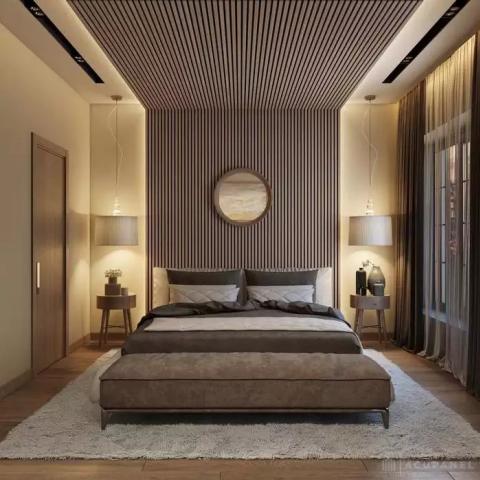
The Best Approach is often a Combination
Rather than choosing one option over the other, many designers recommend combining both.
For example:
- Thick rugs reduce floor reflections.
- Curtains soften reflections from windows.
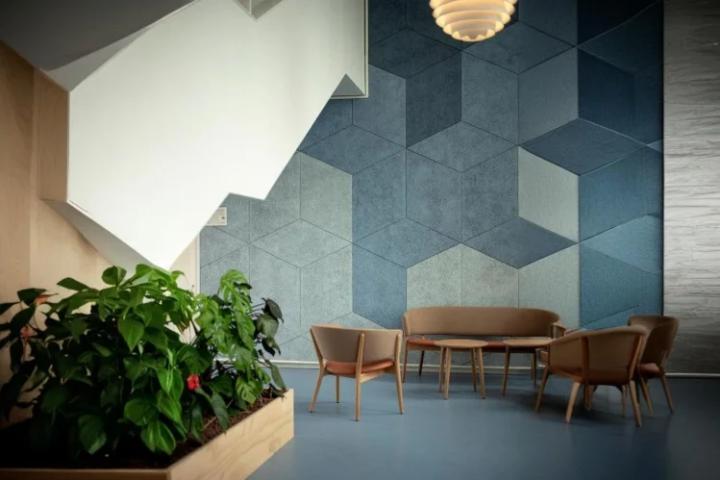
- Acoustic wall panels absorb remaining reflections.
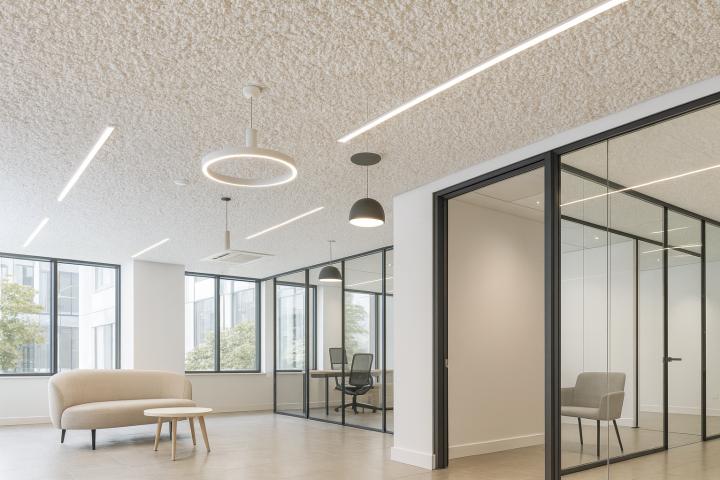
- Acoustic ceiling systems improve overall sound balance.
This layered approach creates a quieter and more comfortable space while maintaining attractive interior aesthetics.
Factors to Consider before Choosing
Before selecting an acoustic strategy, consider:
- The source of the noise
- Room size
- Wall and ceiling construction
- Flooring materials
- Intended room use
- Desired level of noise reduction
A professional acoustic assessment often leads to more effective and cost-efficient solutions than relying solely on decorative furnishings.
Conclusion
Thick rugs and curtains certainly contribute to a more comfortable indoor environment, but their acoustic performance has practical limitations. They help reduce minor echoes and soften room acoustics, yet they cannot replace professionally engineered acoustic solutions when significant noise control is required.
For homeowners seeking greater comfort, businesses improving workplace productivity, or architects designing high-performance interiors, specialised acoustic products remain the most reliable option. When combined thoughtfully with soft furnishings, they create spaces that are quieter, more functional, and far more enjoyable to live and work in.
Create Better Spaces with Tranquil Global
At Tranquil Global, we provide advanced acoustic solutions designed to improve comfort, reduce unwanted noise, and enhance sound quality across residential, commercial, and industrial environments. From acoustic wall panels and ceiling systems to complete noise control solutions, our products combine innovative engineering with modern design to deliver lasting acoustic performance tailored to your space.
FAQs
Are thick curtains enough to soundproof a room?
No. Thick curtains can reduce echo and absorb a small amount of sound reflection, but they cannot effectively block significant external noise or replace professional acoustic treatments.
Do rugs help reduce noise?
Yes. Rugs reduce sound reflections from hard floors and can slightly improve room acoustics, but they offer limited sound insulation.
When should I choose professional acoustic solutions?
Professional acoustic solutions are recommended for offices, studios, conference rooms, theatres, educational spaces, and homes where speech clarity, noise control, or sound quality is important.
Can rugs, curtains, and acoustic panels be used together?
Absolutely. Combining soft furnishings with acoustic products often delivers better acoustic performance while maintaining attractive interior design.
Why choose Tranquil Global?
Tranquil Global offers high-performance acoustic solutions that combine advanced engineering, aesthetic design, and proven acoustic performance to help create quieter, more comfortable, and more productive environments.