When it comes to acoustic solutions in contemporary interiors, PET Acoustic Panels have risen to prominence not just for their sound-absorbing functionality, but also for their evolving aesthetic appeal. No longer confined to plain, muted designs, these panels are making bold statements through striking patterns and prints. From geometric grids to organic motifs, the design journey of PET Acoustic Panels is witnessing a vibrant transformation—pushing the boundaries of acoustic architecture and interior design.
Let’s dive into the latest trends that are redefining how these panels are being used in modern spaces.
From Function to Feature Wall
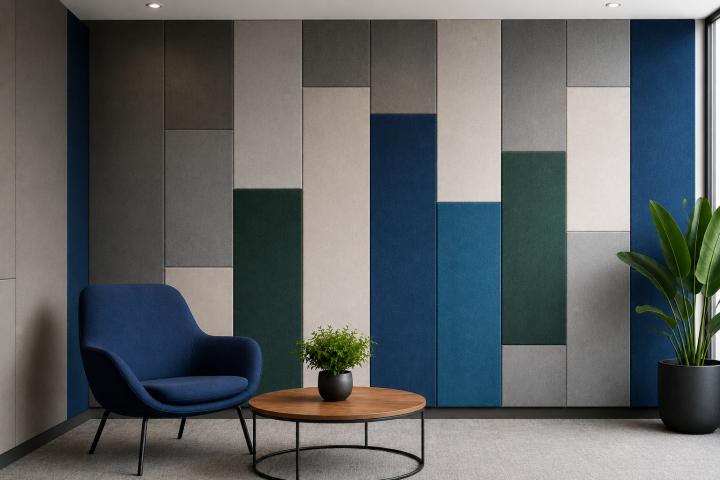
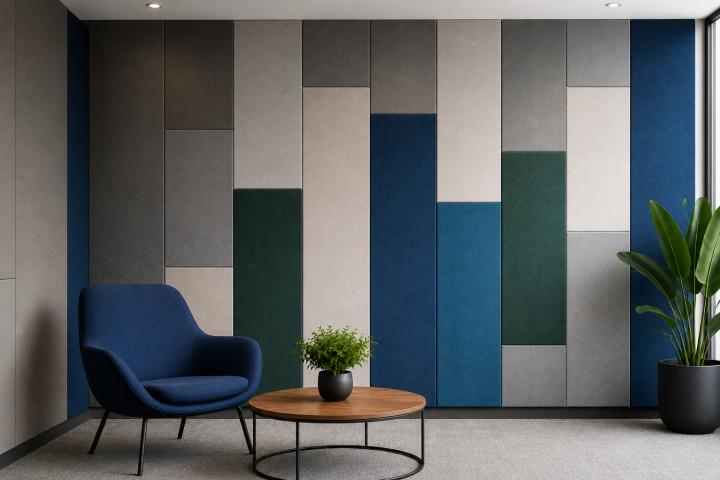
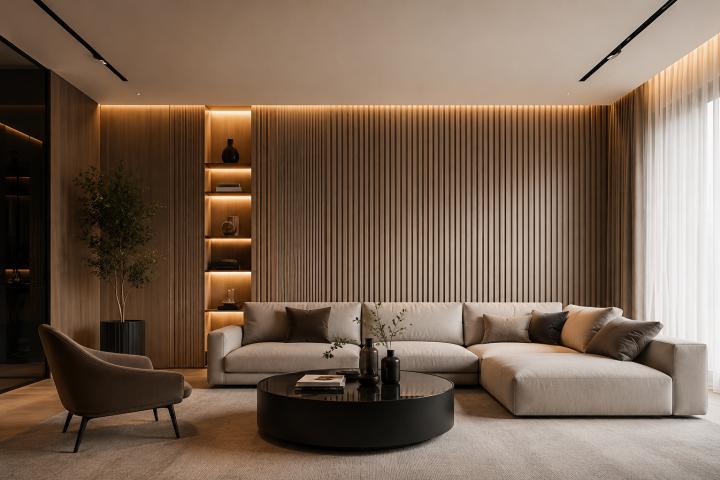
Gone are the days when acoustic panels were hidden behind furniture or blended into ceilings. Today, PET Acoustic Panels are the new feature walls.
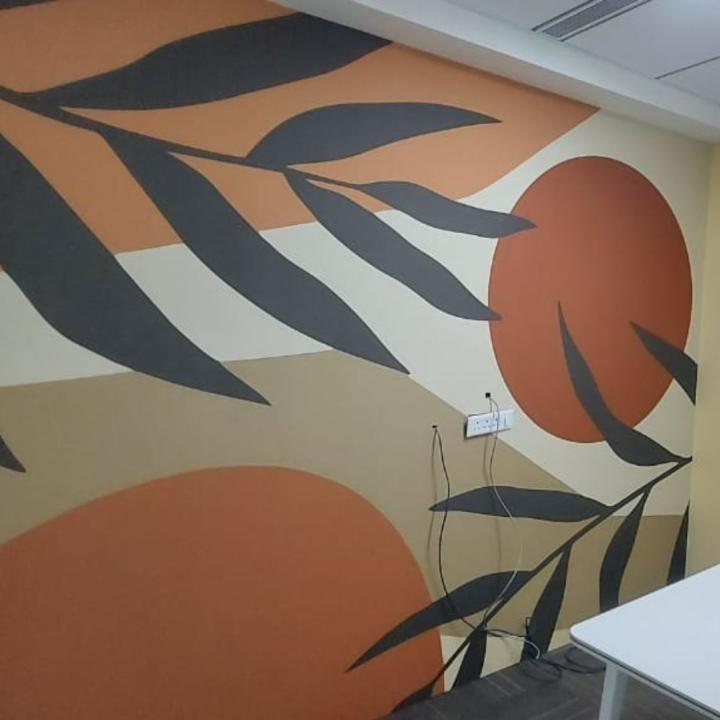
Designers are embracing vivid colors and eye-catching patterns to create visual impact. Inspired by textile patterns, mural art, and even street graphics, panels are being customized to double up as artworks. These designs offer not only aesthetic elevation but also provide the acoustic comfort essential in corporate offices, educational institutions, hospitality areas, and residential zones.
Geometry Reimagined: The Rise of Modular Forms
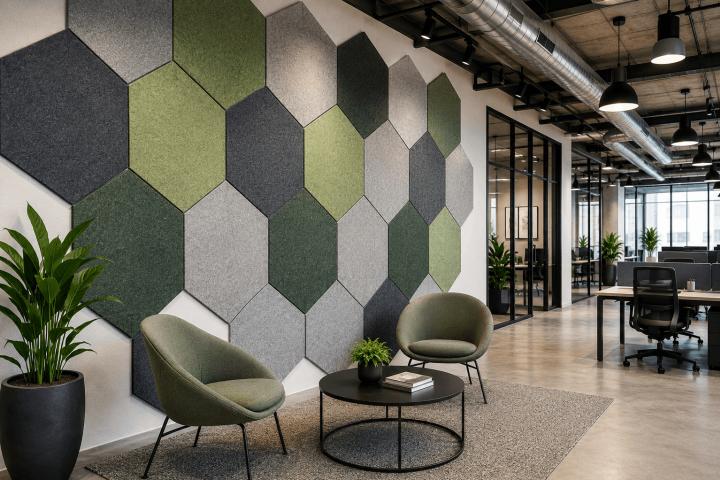
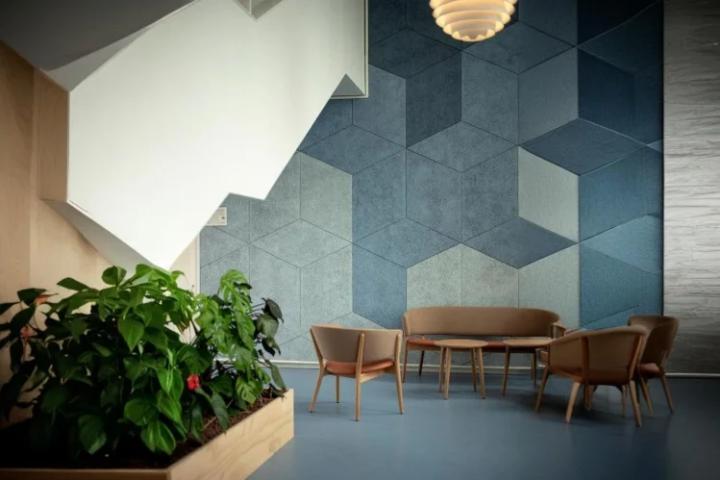
Geometric patterns remain a top trend in PET Acoustic Panels, but with a modern twist. Think hexagonal tiles, asymmetrical polygons, or tessellated configurations that play with depth and shadows.
What’s fascinating is how these modular designs allow endless creativity. Installers can rotate or rearrange elements to achieve unique layouts—like optical illusions or gradient fades—adding a dynamic layer to a space. Geometric patterns also lend themselves beautifully to branding opportunities, where the shapes mirror a company’s identity or architectural language.
Nature-Inspired Prints: Biophilic Meets Acoustic
Biophilic design continues to dominate interiors, and PET Acoustic Panels are now embracing this trend through nature-inspired patterns. Imagine acoustic panels printed with forest canopies, waves, bamboo groves, or even cellular patterns resembling leaf veins and honeycombs.
These prints contribute to a calming environment while subtly reinforcing the sustainability story behind PET Acoustic Panels, which are often made from recycled plastic bottles. This eco-conscious connection, when paired with biophilic aesthetics, creates spaces that feel organic, soothing, and immersive.
Cultural Motifs and Regional Identity
Another rising trend is the incorporation of cultural and regional motifs into PET Acoustic Panels. Designers are increasingly using ethnic prints, folk art patterns, and vernacular textures to infuse personality and local identity into a space.
For instance, workplaces in India may feature Madhubani or Warli-inspired panels, while Japanese-themed wellness centers might opt for sakura blossoms or traditional wave patterns. Such artistic storytelling through acoustic panels creates memorable spaces and fosters a sense of belonging.
Digital Printing Takes the Lead
With advancements in digital printing, the customization possibilities for PET Acoustic Panels have expanded dramatically. Full-color prints, gradients, textures, or even company logos can now be directly applied to the panel surfaces without compromising their acoustic properties.
This opens a world of opportunities—corporate branding, motivational quotes, educational visuals, wayfinding graphics, or even photographic landscapes. The marriage of print and performance turns PET Acoustic Panels into storytelling tools, perfectly aligning design goals with acoustic needs.
Minimalist Texture Play
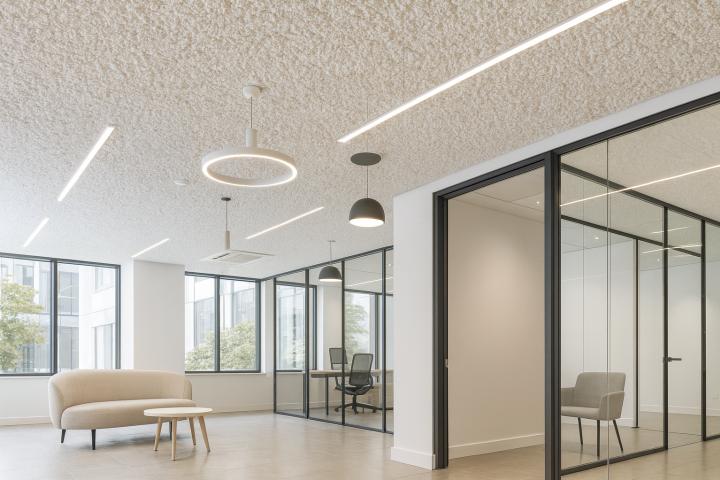
While bold prints are gaining ground, there’s an equal and opposite trend toward minimalism. Designers are exploring subtle embossed or debossed textures on PET Acoustic Panels that catch light and create shadow play without screaming for attention.
This approach is particularly favored in luxury interiors or wellness spaces, where tactile sophistication is preferred over visual drama. Line work, micro-patterns, and low-relief textures add a layer of depth to the panels without disrupting the overall harmony of the environment.
Interactive and Parametric Patterns
In tech-forward workplaces and creative studios, PET Acoustic Panels are becoming interactive installations. Parametric designs—driven by algorithms and computational modeling—result in flowing, futuristic patterns that change across the surface.
These installations often combine lighting and motion, where the pattern shifts based on perspective or movement. Such experimental applications demonstrate how PET Acoustic Panels can transcend utility and become immersive experiences.
Sustainability in Every Fiber
While aesthetics are evolving, the sustainable soul of PET Acoustic Panels remains intact. Most manufacturers today use post-consumer recycled PET bottles to create these panels, keeping plastic waste out of landfills and oceans.
What’s new is how this eco-friendly aspect is being visually celebrated. Many designers now opt for semi-translucent finishes, speckled textures, or exposed fiber aesthetics to showcase the material’s recycled origin. This raw, unpolished look not only supports transparency in design but also aligns with the growing demand for authentic, sustainable storytelling.
Custom is the New Standard
One-size-fits-all is a thing of the past. Customization in PET Acoustic Panels is no longer a luxury—it’s an expectation. Clients today want panels tailored to specific color palettes, brand themes, acoustic ratings, and unique spatial narratives.
Brands and manufacturers are responding with modular collections that allow mixing and matching of prints, textures, and panel shapes. Whether it's a collaborative workspace or a high-end lounge, the ability to design acoustics around visual identity has become a game-changer.
Conclusion: Patterns with Purpose
In the ever-evolving world of interior design, PET Acoustic Panels are no longer just about reducing noise—they’re about elevating experience. With trends ranging from bold graphics to regional storytelling, and from minimalist textures to interactive patterns, these panels are shaping how we see, feel, and hear our spaces.
As materials become smarter and clients more design-conscious, expect to see PET Acoustic Panels playing a central role in defining not just the acoustics, but the entire personality of a space.