
In today’s workspace life>Polyester Acoustic Board rises to prominence — as a solution that harmonizes auditory comfort with environmental consciousness.
Let’s journey through the why, how, and wow of this innovative acoustic solution.
Sound That Speaks Sustainability
The magic of the Polyester Acoustic Board lies in its dual capability — it listens to the needs of both humans and the planet. Traditionally, acoustic treatments have involved materials that are either synthetic with harmful chemical compositions or natural with limited durability. But the Polyester Acoustic Board, made from recycled PET (polyethylene terephthalate) fibers — including post-consumer plastic bottles — offers a cleaner, greener alternative.
By converting plastic waste into high-performing acoustic panels, these boards not only reduce landfill burden but also significantly cut down on carbon footprints. It’s a smart way of turning a problem into a performance enhancer — literally making spaces sound better while helping the earth breathe easier.
Not Just Quiet, but Clever
Think acoustic design is all about muting noise? Think again. The real goal is to manage sound in a way that enhances human experience. And the Polyester Acoustic Board does this intelligently.
Thanks to its dense fiber composition and porous surface, it absorbs mid-to-high-frequency sounds, reducing reverberation and echo without making a room unnaturally silent. That’s ideal for settings where clarity of speech or concentration is essential — think open-plan offices, classrooms, libraries, or meeting rooms.
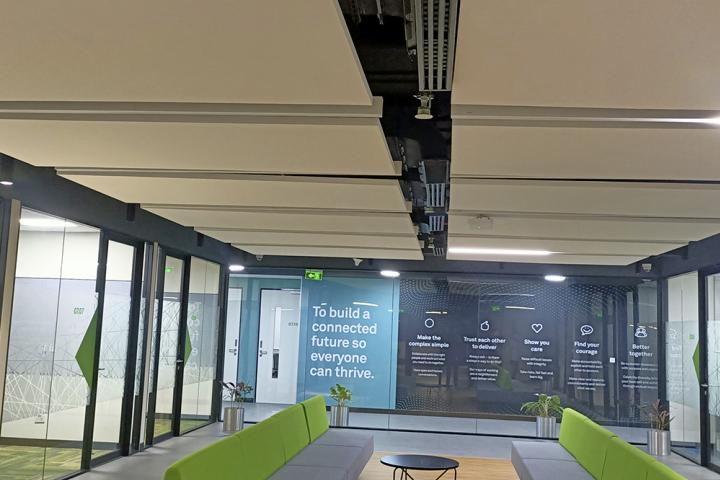
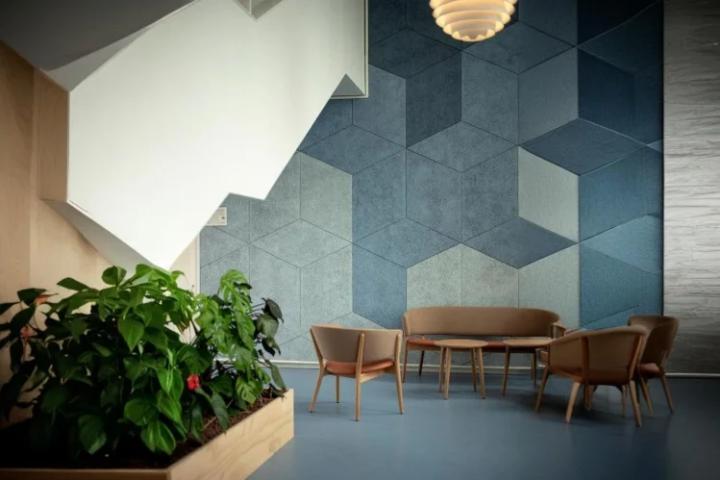
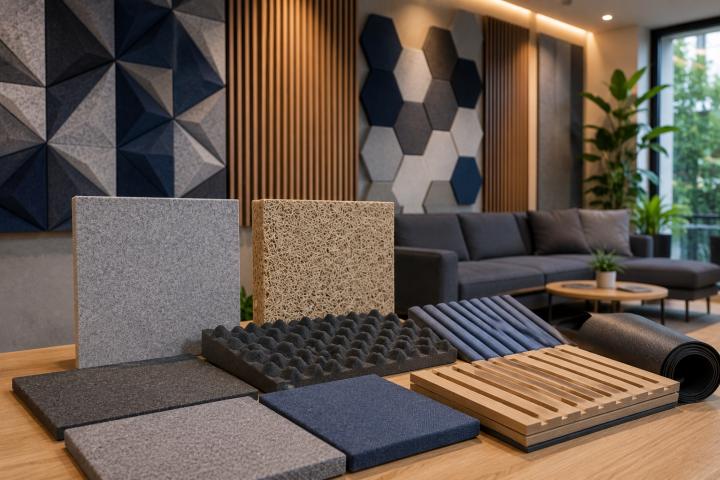
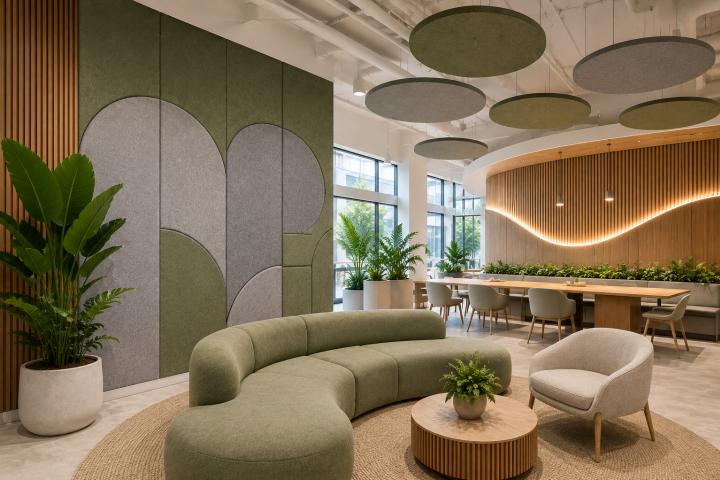
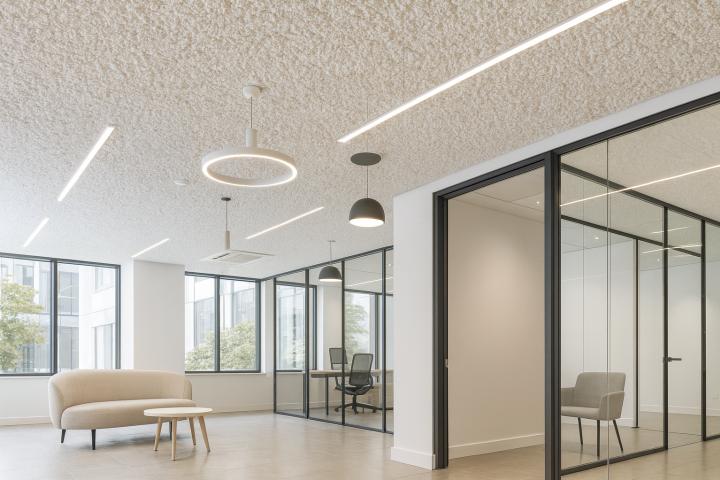
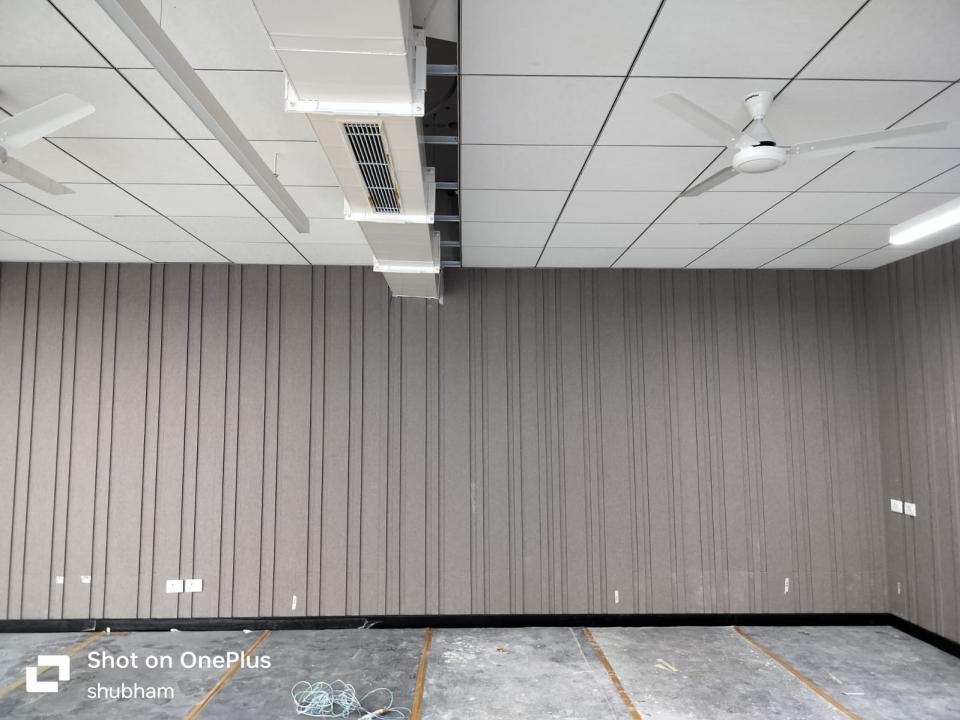
Moreover, designers can play with it visually. Available in a wide range of colors, shapes, and patterns, the Polyester Acoustic Board doesn’t demand that you compromise on aesthetics. Instead, it becomes a bold design element — a ceiling cloud here, a geometric wall panel there — that merges seamlessly into contemporary interiors.
From Bottle to Board: A Circular Tale
One of the most compelling aspects of the Polyester Acoustic Board is its life story. What once floated as plastic waste in oceans or cluttered landfills now lives on as part of architectural excellence.
Here's how the transformation happens:
Used plastic bottles are collected and sorted.
They're cleaned and shredded into fine flakes.
These flakes are then melted and spun into polyester fibers.
The fibers are compressed into dense sheets using thermal bonding — no glues, no formaldehyde, no toxic binders.
The result is a robust, lightweight, and completely recyclable Polyester Acoustic Board. This not only saves energy and raw materials during production but also ensures zero off-gassing and improved indoor air quality.
Customizable, Controllable, Comfortable
Another reason why architects and designers love the Polyester Acoustic Board? Flexibility.
You can cut it into panels, baffles, tiles, or freeform shapes. You can pin things into it, use it as a notice board, or even incorporate it into furniture design. Because it’s soft to touch yet structurally stable, it opens doors to design creativity — without the fuss of specialized tools or heavy-duty installation teams.
Whether you're looking to achieve acoustic zoning, create visual identity, or enhance spatial quality, the Polyester Acoustic Board adapts to your needs.
Wellness Factor: Healthy Ears, Happy Minds
Good acoustics aren’t just about comfort. They’re about health.
Excessive noise levels can increase stress, reduce productivity, and even cause long-term cognitive damage. With the Polyester Acoustic Board, spaces become calmer, more focused, and less fatiguing. This is especially crucial in educational settings, where noise distractions can directly affect learning outcomes, or in healthcare environments, where peace contributes to faster recovery.
And because the Polyester Acoustic Board is non-toxic, allergy-friendly, and safe for indoor use, it promotes wellness beyond just sound management. It’s also resistant to mold, mildew, and pests, ensuring long-lasting hygiene in all types of environments.
Design Meets ESG Goals
As the corporate world sharpens its focus on ESG (Environmental, Social, Governance) frameworks, choosing sustainable building materials like the Polyester Acoustic Board helps organizations align their interiors with their ethics.
Whether you’re working on a LEED-certified green building or simply aiming to reduce operational impact, these boards tick all the right boxes — low-VOC, recyclable, low-maintenance, and resource-efficient. They support the goals of circular economy and responsible sourcing, all while improving the employee or occupant experience.
Case in Point: Real Projects, Real Impact
Globally, the Polyester Acoustic Board is making its mark in diverse projects:
In a buzzing coworking space in Mumbai, designers used cloud-shaped ceiling panels to soften the soundscape without dulling the vibe.
A leading school in Bangalore installed vibrant hexagonal wall panels, doubling as sound absorbers and student artboards.
In a Singapore-based tech office, suspended acoustic baffles in brand colors helped delineate teams and add acoustic zoning without walls.
Each of these examples proves that acoustic design need not be boring or generic. With a Polyester Acoustic Board, creativity finds its acoustic match.
Final Note: Listen to the Future
As we reimagine our built environments for performance, wellbeing, and sustainability, it’s time to listen more carefully — not just to what our spaces sound like, but what they’re saying about our values.
The Polyester Acoustic Board is more than just a building product. It’s a message. One that says we can care for our senses and our planet simultaneously. That design can be both functional and forward-thinking. And that sometimes, the quietest solutions can make the loudest difference.
So next time you're shaping a space — whether you're an architect, designer, specifier, or facility manager — think beyond the obvious. Choose materials that resonate with purpose. Choose the Polyester Acoustic Board.