You're working from home, streaming a video, or gaming online when suddenly your internet connection drops. You check everything, and it seems fine except for one thing – your ethernet cable might be failing. But what actually causes an ethernet cable to fail? Let's break down the most common reasons why these cables stop working properly.
Physical Damage is the Number One Culprit
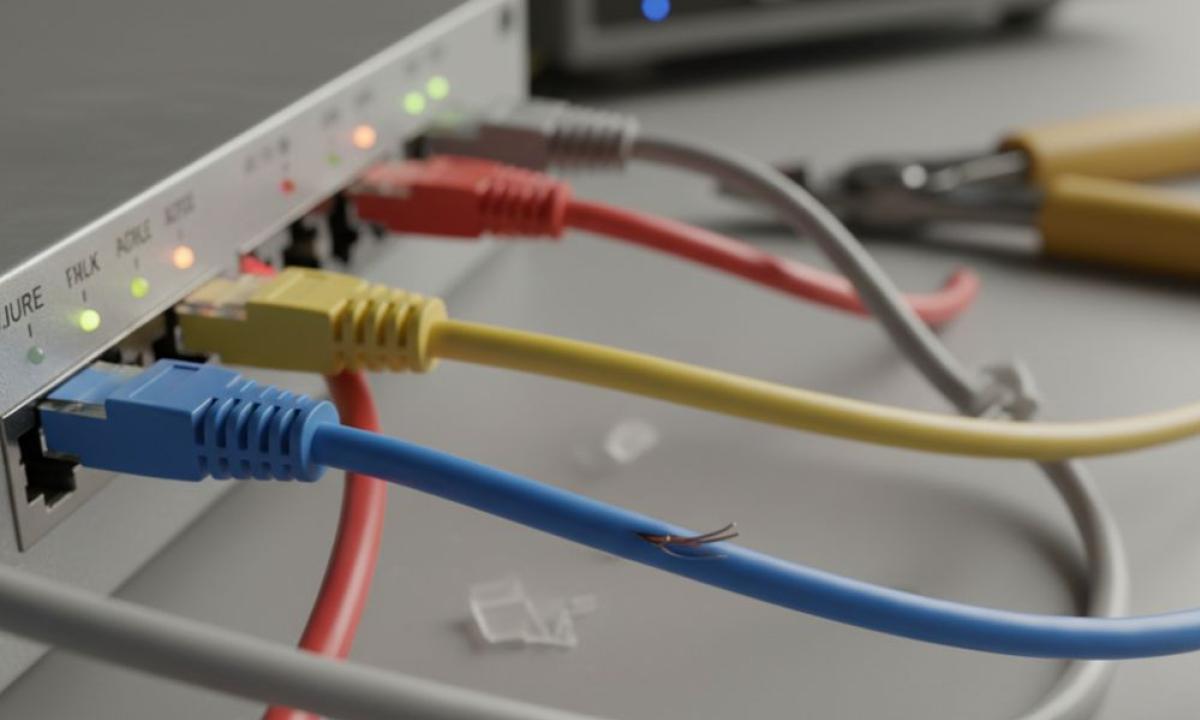
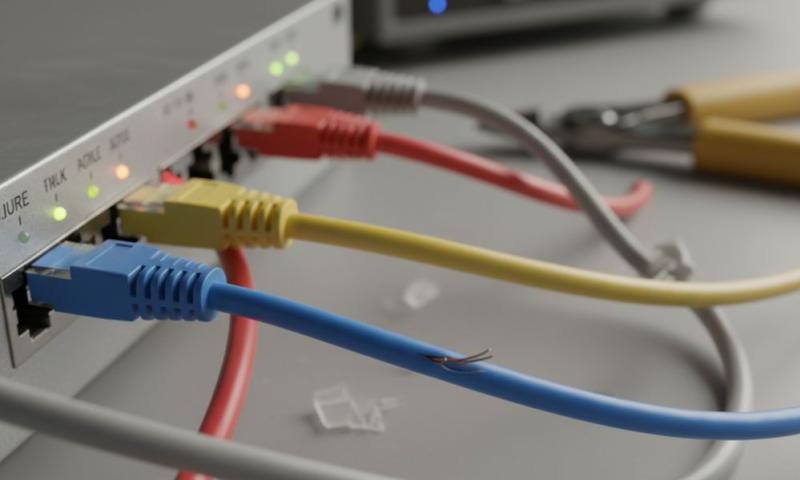
The most obvious reason an ethernet cable cat5e fails is physical damage. These cables go through a lot in their lifetime. You might accidentally close a door on them, roll your office chair over them repeatedly, or bend them at sharp angles behind your desk.
When you bend an ethernet cable too sharply, you can break the tiny copper wires inside. These wires are delicate, and even though they have protective coating, they can only handle so much abuse. If you've ever seen a cable with a visible kink or a flat spot, there's a good chance the internal wires are damaged.
Pets are another common cause of cable damage. Cats and dogs sometimes chew on cables out of boredom or curiosity. Even a small bite can expose the wires inside or cut through them completely. Once the protective jacket is compromised, the cable becomes vulnerable to more problems.
Connector Problems Happen More Often Than You Think
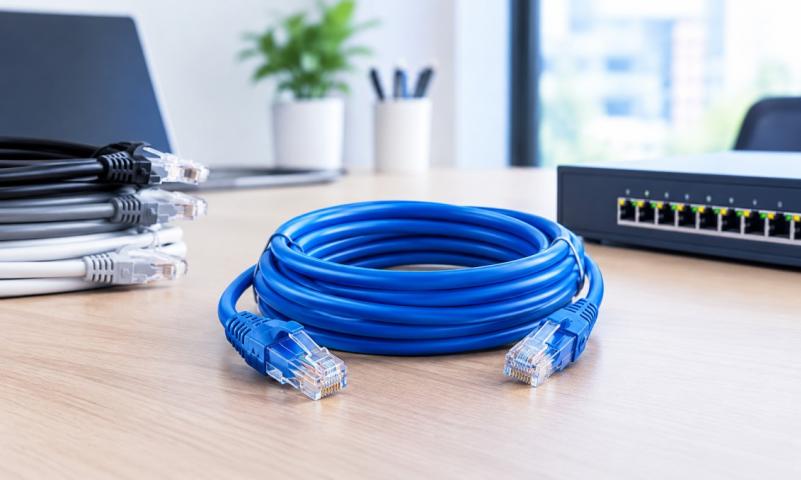
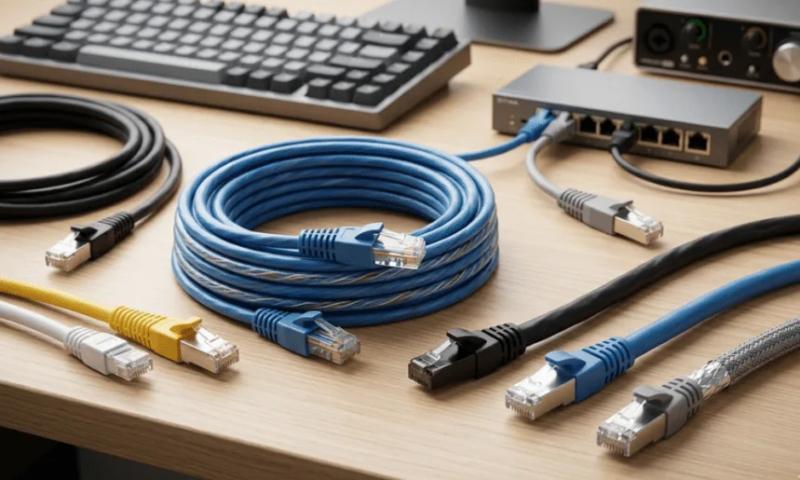
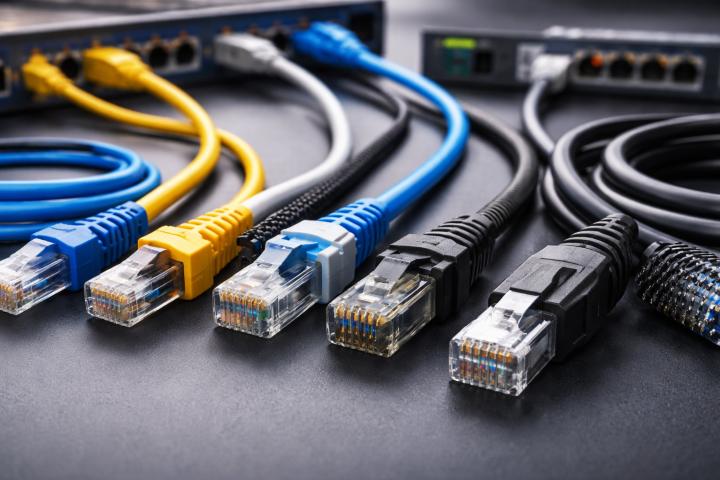
The connectors at both ends of your ethernet cable cat5e are critical parts that can fail. These RJ45 connectors have eight small pins that need to make perfect contact with the port in your computer or router. Over time, these pins can bend, corrode, or break.
When you plug and unplug cables frequently, you wear out these connectors. The little plastic tab that clicks into place can snap off, making the connection loose. A loose connection causes intermittent problems where your internet works sometimes but cuts out randomly.
Dust and debris can also build up inside the connectors. This buildup prevents the pins from making good contact, which slows down your connection or stops it completely. People who smoke near their computers often find that their cable connectors get dirty faster because of residue in the air.
Environmental Factors Take Their Toll
Where you use your ethernet cable matters a lot. Extreme temperatures can damage cables over time. If you run a cable through an attic that gets very hot in summer or a basement that gets freezing in winter, the plastic coating can become brittle and crack.
Moisture is another enemy of ethernet cables. Even though an ethernet cable cat5e has protective coating, water can still get inside if the jacket is damaged. Once moisture gets in, it can corrode the copper wires and cause signal problems. Bathrooms, kitchens, and outdoor areas are risky places for ethernet cables.
Sunlight can also degrade cables. UV rays from the sun break down the plastic coating over time, making it brittle and prone to cracking. If you have a cable running near a window where it gets direct sunlight every day, it will fail faster than one kept in a dark area.
Electromagnetic Interference Causes Signal Issues
Your ethernet cable cat5e carries data through electrical signals. Other electrical devices nearby can interfere with these signals. This interference doesn't necessarily make the cable fail permanently, but it can cause performance problems that seem like failure.
Power cables, fluorescent lights, motors, and other electronics create electromagnetic fields. When your ethernet cable runs parallel to these devices for long distances, the interference can corrupt your data signals. You might notice slower speeds or dropped connections even though the cable isn't physically damaged.
This is why it's important to keep ethernet cables away from power cables when possible. If you must cross a power cable with your ethernet cable, do it at a 90-degree angle rather than running them side by side.
Age and Wear Eventually Catch Up
Nothing lasts forever, and ethernet cables are no exception. Even if you take perfect care of your ethernet cable cat5e, it will eventually wear out. The copper inside oxidizes over time, which increases resistance and degrades signal quality.
The plastic coating becomes less flexible as it ages. Old cables are more likely to crack or split when you move them. If you have a cable that's been plugged in for years without being touched, it might work fine. But the moment you unplug it and move it to a new location, it could fail because the aged materials can't handle being flexed anymore.
Most quality ethernet cables should last 5 to 10 years with normal use. But cables in high-traffic areas or harsh environments might only last a few years. Cheap cables with inferior materials might fail even sooner.
Manufacturing Defects Do Happen
Sometimes an ethernet cable cat5e fails because it was never made properly in the first place. Cheap cables from unknown manufacturers often cut corners on quality. They might use inferior copper, improper wire twisting, or substandard connectors.
The wires inside an ethernet cable need to be twisted in specific pairs to work correctly. If a manufacturer doesn't twist them properly, the cable won't perform well even when it's brand new. You might buy a cable that seems fine at first but starts having problems after a few days or weeks of use.
This is why buying quality cables from reputable brands matters. You might pay a bit more upfront, but you'll save money and frustration in the long run.
How to Prevent Cable Failure
Now that you know what causes ethernet cable failures, you can take steps to prevent them. Always use cable management tools to keep cables organized and protected. Avoid tight bends – the general rule is not to bend a cable more than four times its diameter.
Keep cables away from heat sources, moisture, and direct sunlight. Don't run them under carpets where they get stepped on constantly. When you disconnect a cable, pull on the connector, not the cable itself.
Inspect your cables regularly for signs of damage like cracks, kinks, or bent connectors. If you spot any problems early, you can replace the cable before it fails completely and disrupts your work or entertainment.
The Bottom Line
Ethernet cable cat5e failure happens for many reasons, but most are preventable with proper care. Physical damage, connector problems, environmental factors, and age are the main culprits. By understanding these causes and taking simple precautions, you can extend the life of your cables and maintain a reliable network connection. When a cable does fail, you'll know what probably caused it and how to prevent the same problem with your replacement cable.
Sources: https://techymantraa.com/how-to-troubleshoot-common-ethernet-cable-issues/
https://sfcable.hashnode.dev/what-is-the-lifespan-of-an-ethernet-cable