
We live in a world of WiFi, Bluetooth, and 5G. Everything seems to be going wireless. So, you might wonder: do we still need UTP cables? Are those twisted pair cables that connect our devices still worth using?
The short answer is yes. UTP cables are very much alive and kicking in 2025. Let me explain why these cables haven't gone anywhere, and why they probably won't for a long time.
What Exactly Is a UTP Cable?
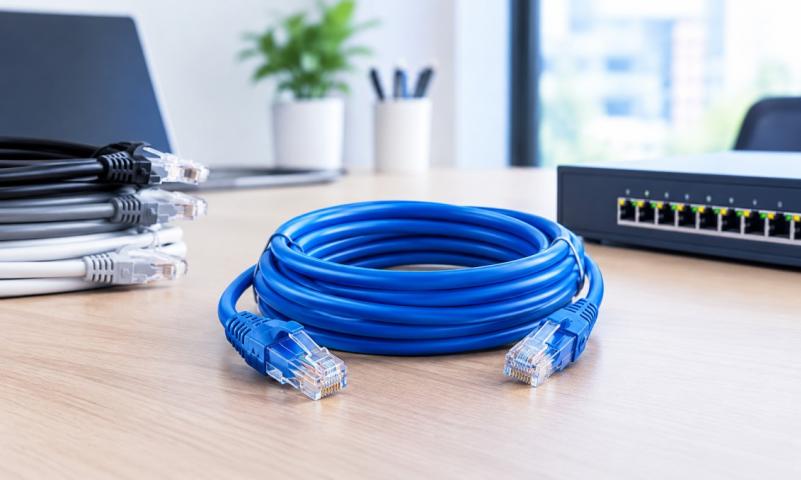
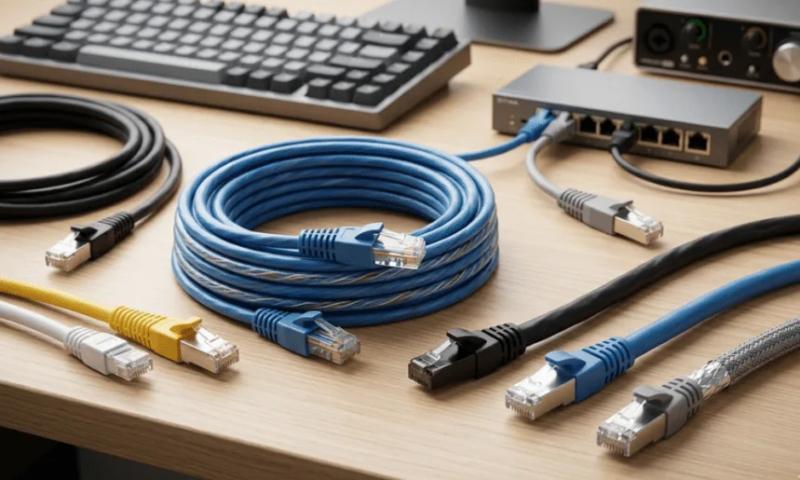
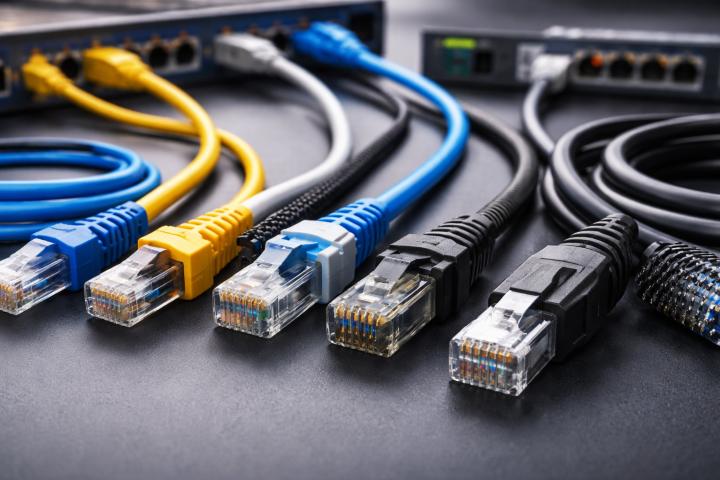
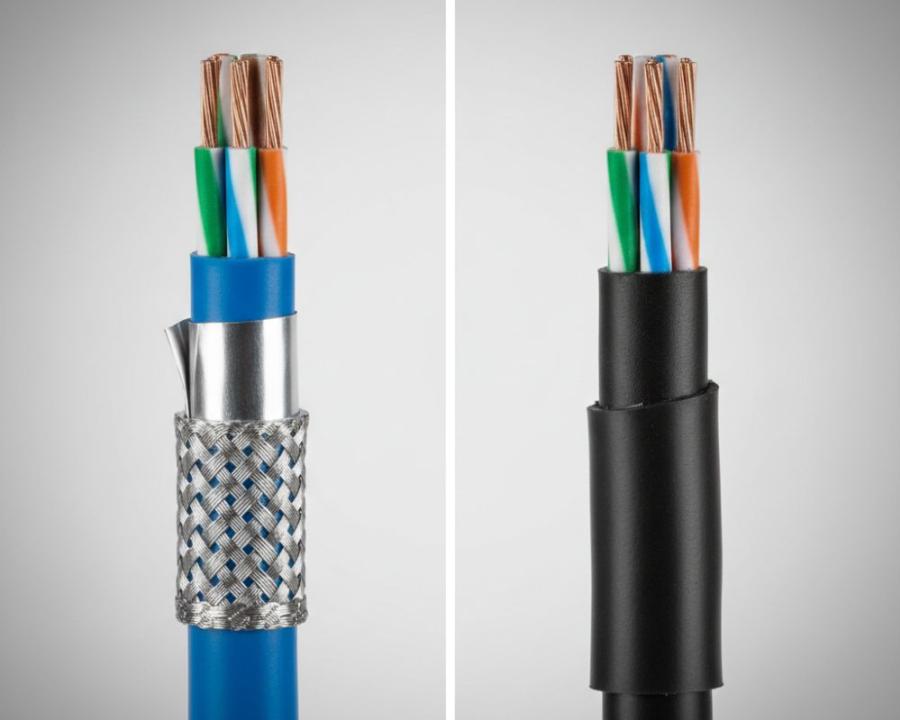
UTP stands for Unshielded Twisted Pair. These cables contain pairs of wires twisted together inside a protective jacket. You've probably seen them before. They look like thick phone cords with larger connectors on the ends.
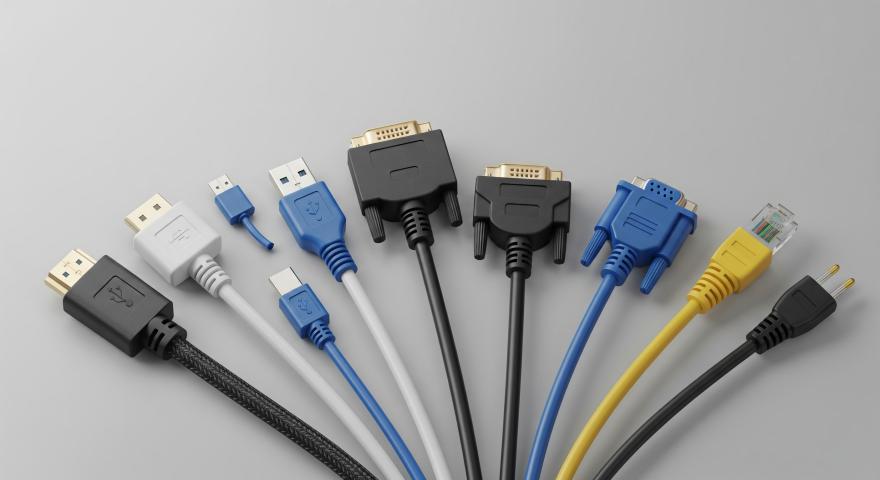
These cables carry data between devices like computers, routers, switches, and servers. They're the backbone of most wired networks in homes, offices, and data centers around the world.
Why UTP Cables Still Matter
Speed and Reliability Win Every Time
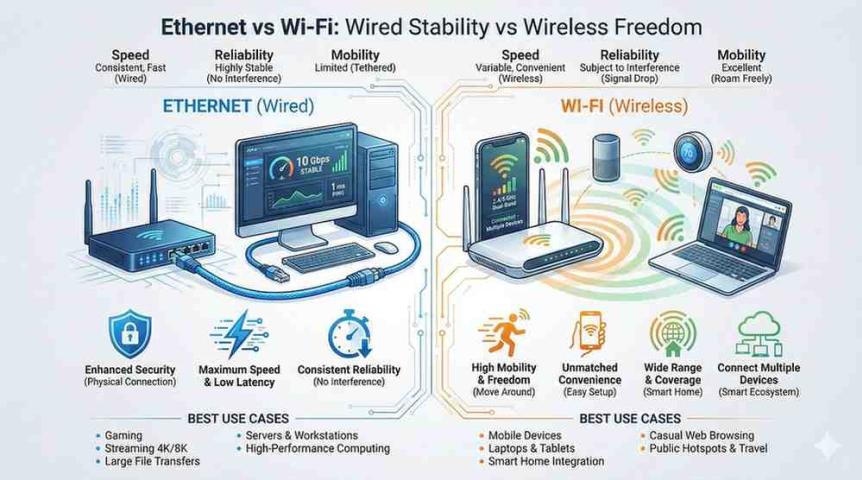
WiFi is convenient, but it can't match the speed and stability of a wired connection. UTP cables deliver consistent performance without dropping signals or slowing down when multiple devices connect.
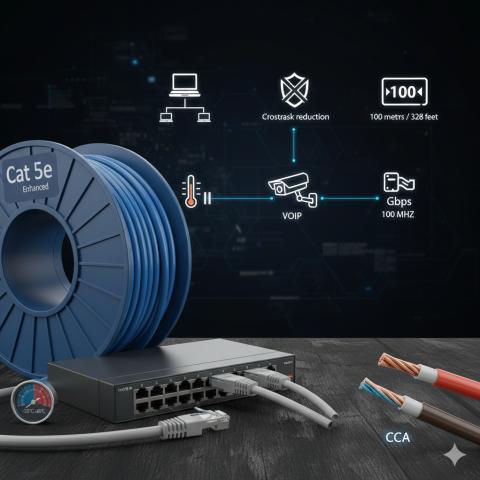
Modern bulk ethernet cables can handle speeds up to 10 Gigabits per second or even faster with newer standards. That's serious bandwidth. Wireless networks struggle to match these speeds, especially over long distances or through walls.
When you're transferring large files, streaming 4K video, or running business applications, you want reliability. UTP cables give you that peace of mind.
Security Matters More Than Ever
Here's something many people overlook: wired connections are more secure than wireless ones. Someone can intercept WiFi signals from outside your building. But to access data on a UTP cable, they'd need physical access to your network.
For businesses handling sensitive information, this security advantage is huge. Banks, hospitals, and government offices rely heavily on wired networks for this exact reason.
No Interference Problems
WiFi signals face constant interference. Your neighbor's router, microwave ovens, baby monitors, and even thick walls can disrupt wireless connections. UTP cables don't care about any of that.
Once you plug in a cable, your connection stays stable. No dropped calls during video meetings. No buffering during important presentations. Just solid, dependable performance.
The Business Case for Bulk Ethernet Cables
Companies that set up new offices or expand their networks often buy bulk ethernet cables. This approach makes perfect sense for several reasons.
Cost Savings
Buying cables in bulk costs less per foot than buying individual cables. When you're wiring an entire office building, these savings add up quickly. A company might save thousands of dollars by purchasing bulk ethernet cables instead of pre-made cables.
Custom Lengths
Bulk ethernet cables let you cut cables to exact lengths. No more dealing with excess cable coiled up behind desks or cables that are just a bit too short. You measure, cut, and install cables that fit perfectly.
Future-Proofing
When businesses invest in quality bulk ethernet cables, they're preparing for the future. Cat6 and Cat6a cables support current needs and have room to grow as network demands increase.
Where UTP Cables Shine Today
Data Centers
Data centers run on UTP cables. These facilities need maximum speed and zero downtime. Wireless simply can't deliver what these environments require. Walk into any data center, and you'll see thousands of cables connecting servers, switches, and storage systems.
Office Buildings
Modern offices still wire desks with UTP cables. Sure, employees use WiFi on their phones and tablets. But desktop computers, VoIP phones, and printers typically use wired connections for better performance.
Home Networks
Smart home enthusiasts know the value of wired connections. Gaming setups, home theaters, and security camera systems work better with UTP cables. Serious gamers won't rely on WiFi when a wired connection eliminates lag.
Industrial Settings
Factories, warehouses, and manufacturing facilities depend on UTP cables. These environments often have machinery that creates electromagnetic interference, which would wreak havoc on wireless signals.
The WiFi Isn't Replacing Everything
Don't get me wrong. WiFi is fantastic for mobile devices, temporary setups, and general convenience. But it complements wired networks rather than replacing them.
Think of it this way: your home probably has both electrical outlets and batteries. Batteries power portable devices, but you wouldn't want to run your refrigerator on batteries. The same logic applies to networks. Wireless works great for mobility, but wired connections provide the foundation.
What About Fiber Optic Cables?
Some people argue that fiber optic cables are replacing UTP cables. Fiber does offer advantages in specific situations, especially for very long distances or extremely high speeds.
However, fiber costs more and requires specialized equipment and expertise to install. For most networks, UTP cables provide plenty of speed at a much lower cost. That's why bulk ethernet cables remain the go-to choice for most installations.
Looking Ahead
New standards keep improving UTP cable performance. Cat8 cables now support speeds up to 40 Gigabits per second over shorter distances. These advances ensure UTP cables will meet our needs for years to come.
The push toward cloud computing, streaming services, and remote work actually increases demand for reliable networks. All those cloud servers need connections. All those video calls need bandwidth. UTP cables provide the infrastructure that makes it all possible.
Making the Right Choice
If you're setting up a network, whether at home or in business, consider using UTP cables for stationary devices. Save wireless for phones, tablets, and laptops that move around.
When buying cables, quality matters. Cheap cables might save money upfront but can cause headaches later with poor performance or failed connections. Investing in good bulk ethernet cables pays off through years of reliable service.
The Bottom Line
UTP cables aren't going anywhere. They remain relevant because they work incredibly well. They're fast, reliable, secure, and affordable. These cables form the foundation of our connected world.
Wireless technology will keep improving, and that's great. But wired connections will continue playing a critical role in networks everywhere. The next time someone suggests that cables are outdated, you'll know better. UTP cables are here to stay, quietly doing the important work of keeping our digital world connected.
Whether you're running a business, setting up a home office, or building a network from scratch, don't overlook the humble UTP cable. It might not be flashy or exciting, but it gets the job done right every single time.
Sources: https://www.webprecious.com/shielded-and-unshielded-ethernet-cables-key-differences/
https://sfcable.hashnode.dev/is-unshielded-cat6-ok?showSharer=true