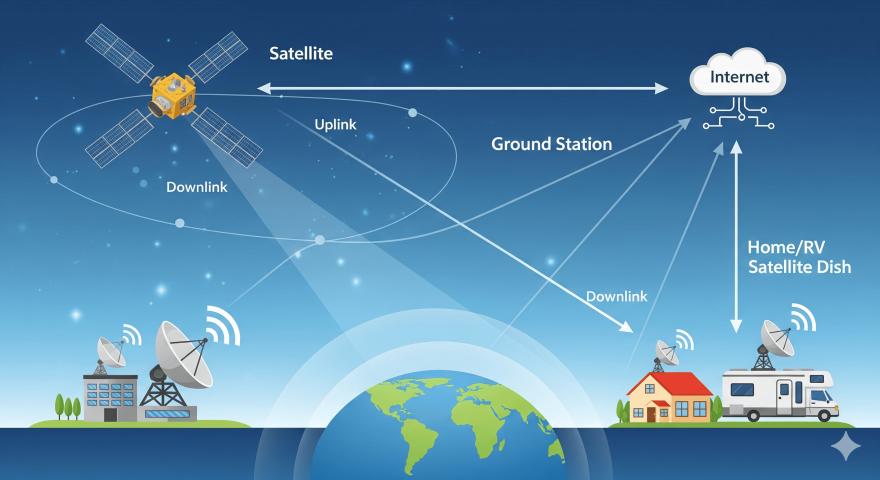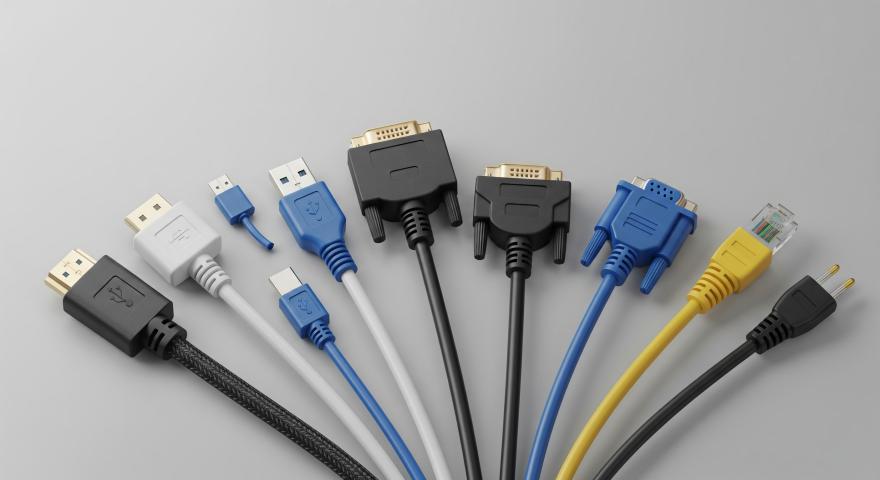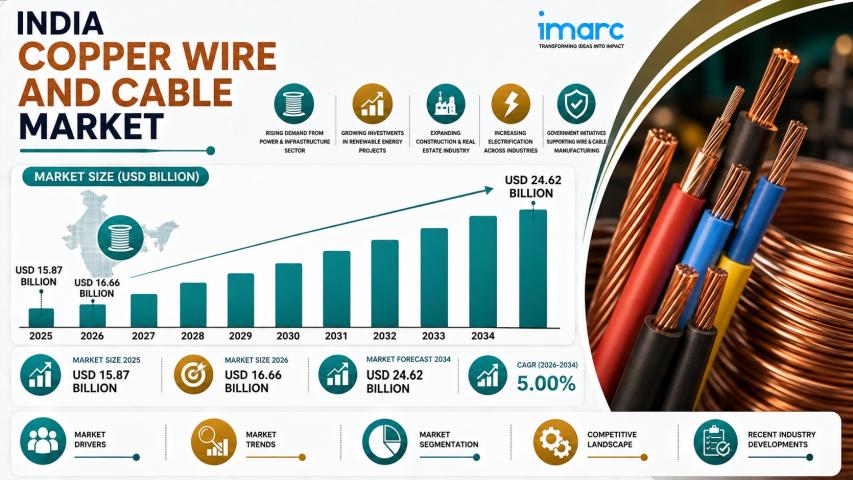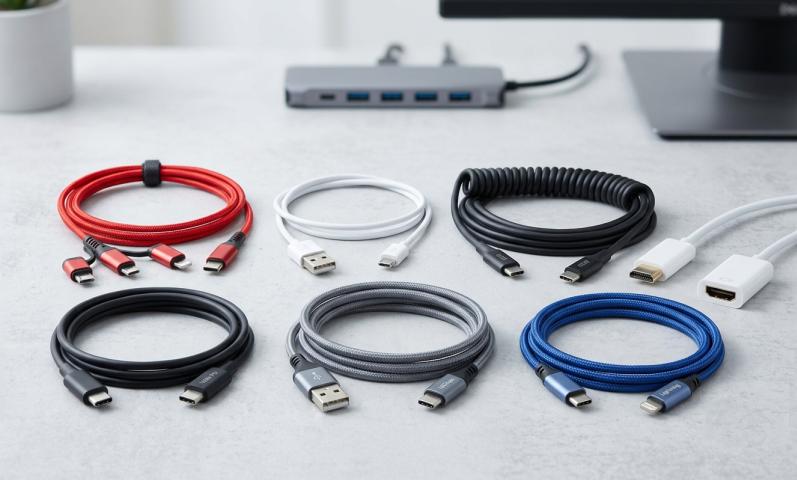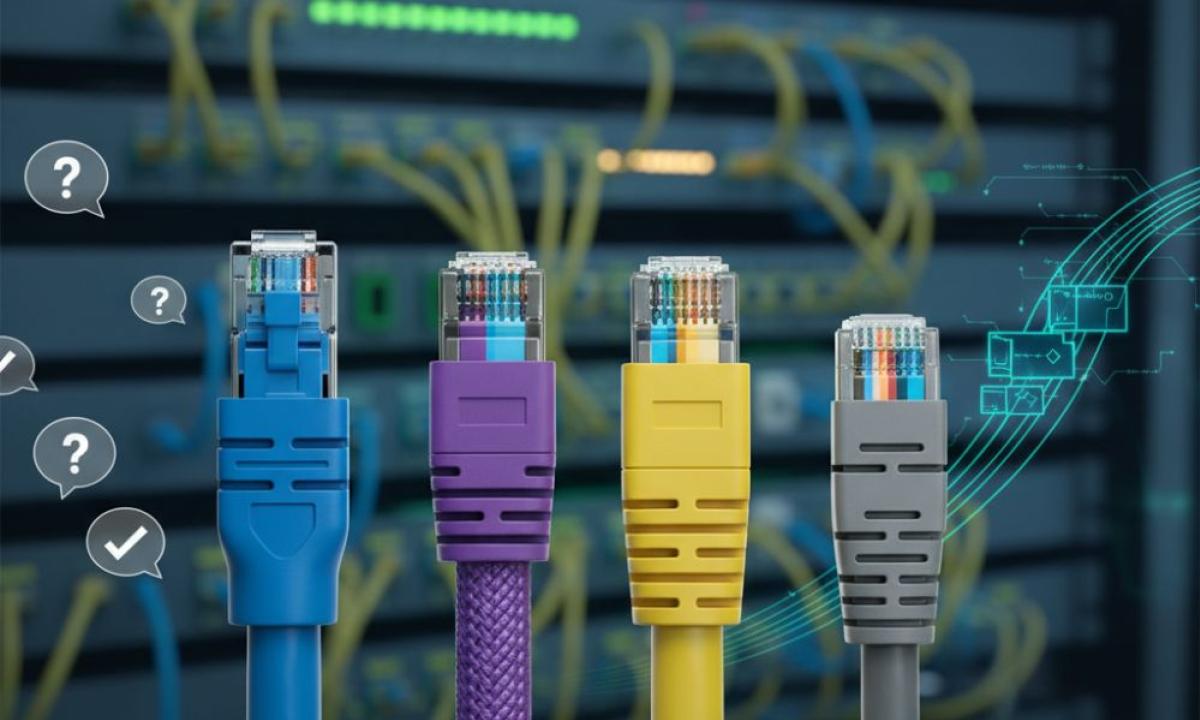
Have you ever wondered what keeps your devices connected to the internet? The answer lies in the cables running through your walls, under your desk, and across buildings. Networking cables form the backbone of our digital world, and understanding them can help you make better decisions about your internet setup.
What Are Networking Cables?
Networking cables are physical wires that connect computers, routers, modems, and other devices together. These cables carry data from one device to another, allowing them to communicate and share information. Think of them as digital highways that transport information at lightning-fast speeds.
When you plug an internet cable into your laptop or gaming console, you're creating a direct physical connection that lets data flow between your device and the network. This connection is often more reliable and faster than wireless alternatives.
The Main Types of Networking Cables
Different situations call for different types of cables. Here are the most common ones you'll encounter:
Ethernet Cables
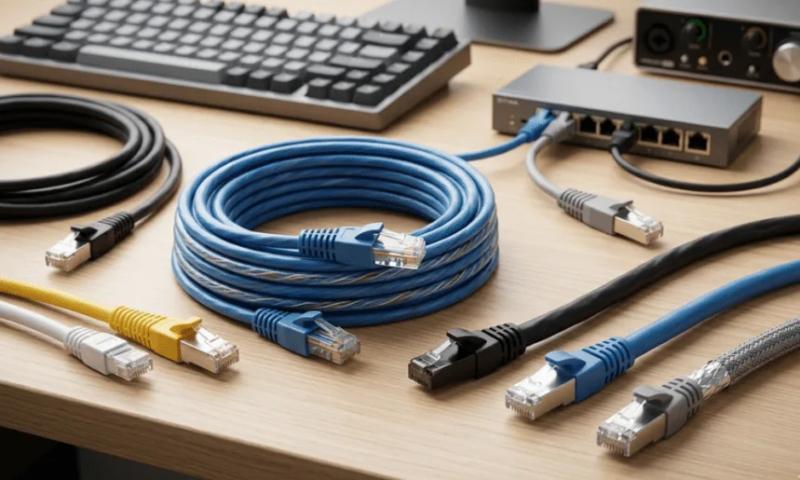
Ethernet cables are the most popular type of internet cable used today. You've probably seen them before – they have a plastic connector that clicks into place when you plug them in. These cables come in different categories, with Cat5e, Cat6, and Cat7 being the most common for home and office use.
Cat5e cables can handle speeds up to 1 Gigabit per second, which works great for most homes. Cat6 cables push this further, supporting up to 10 Gigabits per second over shorter distances. If you're setting up a home office or gaming station, Cat6 cables give you room to grow as internet speeds increase.
Fiber Optic Cables
Fiber optic cables represent the cutting edge of networking technology. Instead of using electrical signals like traditional internet cables, they use light to transmit data. This allows them to carry information over much longer distances without losing signal strength.
Many internet service providers now use fiber optic cables to deliver ultra-fast internet to homes and businesses. If you've heard of "fiber internet," this is what powers it. These cables can handle massive amounts of data, making them perfect for areas that need high-speed connections.
Coaxial Cables
You might recognize coaxial cables from your TV setup. Cable internet providers often use these same cables to deliver internet service. While they're not as fast as modern Ethernet or fiber options, coaxial cables still provide reliable internet connections for millions of homes.
Why Are Networking Cables Important?
Now that you know what networking cables are, let's explore why they matter so much in our connected world.
Speed and Performance
An internet cable provides faster and more stable connections than Wi-Fi in most cases. When you're downloading large files, streaming 4K videos, or playing online games, a wired connection through a networking cable gives you the speed you need without interruptions.
Wireless signals can slow down when multiple devices connect to the same network, or when walls and furniture block the signal. A physical cable eliminates these issues, delivering consistent performance every time.
Reliability You Can Count On
Have you ever lost your Wi-Fi connection at the worst possible moment? Maybe during an important video call or right before saving your work? Networking cables solve this problem. They create stable connections that don't drop unexpectedly.
Businesses rely heavily on networking cables because they can't afford connection failures. When money is on the line, companies choose wired connections for their critical systems. The same principle applies to your home – if you need a connection you can trust, use an internet cable.
Better Security
Security matters more than ever in our digital age. Networking cables offer better protection than wireless connections because someone needs physical access to your cable to intercept your data. With Wi-Fi, hackers can potentially access your network from outside your building.
For sensitive activities like online banking or working with confidential information, plugging in an internet cable adds an extra layer of security. This doesn't mean Wi-Fi is unsafe, but wired connections give you additional peace of mind.
Supporting Multiple Devices
Modern homes have dozens of connected devices – phones, tablets, computers, smart TVs, gaming consoles, and more. While Wi-Fi handles many of these devices, using networking cables for stationary equipment frees up wireless bandwidth for mobile devices.
Connect your desktop computer, gaming console, and smart TV with internet cables, and you'll notice your Wi-Fi performs better for everything else. This creates a balanced network that serves all your needs effectively.
Where Do We Use Networking Cables?
Networking cables work behind the scenes in more places than you might realize:
In Your Home: Your modem connects to your router with an internet cable. You can also run cables to bedrooms, home offices, or entertainment centers for the best performance.
At Work: Office buildings use extensive networking cable systems to connect hundreds or thousands of computers, printers, and servers. These cables run through walls, under floors, and above ceilings.
In Data Centers: Large facilities that store websites, apps, and online services use countless networking cables to link thousands of servers together. These cables handle enormous amounts of data every second.
At Schools: Educational institutions depend on networking cables to provide internet access throughout their buildings, supporting everything from classroom computers to administrative systems.
Choosing the Right Cable
When you need an internet cable, consider what you'll use it for. For basic home internet use, Cat5e works fine. For gaming, streaming, or future-proofing your setup, Cat6 offers better performance. Measure the distance you need to cover and buy a cable that's slightly longer than necessary – this gives you flexibility when arranging your equipment.
The Future of Networking Cables
Even as wireless technology improves, networking cables remain essential. New cable standards continue to emerge, offering faster speeds and better performance. The internet cable in your wall today might seem simple, but it represents decades of engineering innovation.
Final Thoughts
Networking cables might not be glamorous, but they're the foundation of our connected world. Every email you send, every video you watch, and every website you visit relies on these cables somewhere along the way. Understanding what they do and why they matter helps you create better home and office networks.
Whether you call them networking cables, internet cables, or Ethernet cables, these simple wires do extraordinary work. They keep our digital lives running smoothly, one connection at a time.
Sources: https://adaptiveblogs.com/how-to-choose-the-right-networking-cables-for-your-needs/
https://sfcable.hashnode.dev/what-are-the-three-common-network-cables