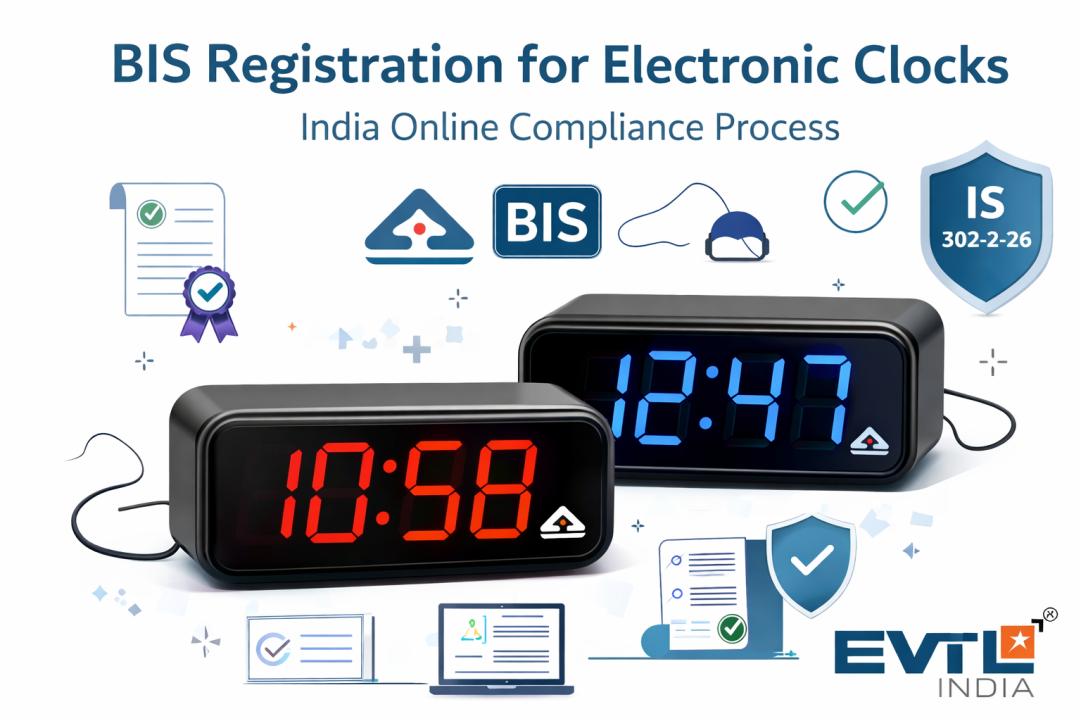
The Indian electronics market is strictly regulated to ensure consumer safety and product quality. If you manufacture or import electronic clocks, compliance with IS 302-2-26 and obtaining BIS Certification for Electronic Clocks is mandatory. This detailed guide explains BIS Registration, CRS, QCO, and the importance of engaging a BIS Consultant or BIS Agent for smooth approval.
Understanding IS 302-2-26 for Electronic Clocks
IS 302-2-26 is the Indian Standard that lays down essential safety requirements for electronic clocks and timing devices. It focuses on electrical insulation, overheating protection, mechanical safety, and fire risk prevention.
All electronic clocks sold in India must comply with this standard as notified by the Bureau of Indian Standards (BIS).
Why BIS Certification for Electronic Clocks Is Mandatory
BIS Certification for Electronic Clocks is a legal requirement under Indian law. Without BIS approval, products are liable to seizure, penalties, or rejection at customs.
Key Advantages of BIS Certification:
-
Legal sale and distribution in India
-
Improved consumer trust and brand credibility
-
Mandatory acceptance on online marketplaces
-
Compliance with import regulations
BIS Registration for Electronic Clocks
BIS Registration for Electronic Clocks is the formal process of enrolling your product under BIS after successful testing as per IS 302-2-26.
Documents Typically Required:
-
Product test report from BIS-recognized lab
-
Manufacturing unit details
-
Technical specifications
-
Authorization letter (for foreign manufacturers)
Role of a CRS Consultant for Electronic Clocks
Many electronic clocks fall under the Compulsory Registration Scheme (CRS). A professional CRS Consultant for Electronic Clocks ensures accurate product classification and timely BIS registration.
How a CRS Consultant Helps:
-
Identifies CRS applicability
-
Coordinates lab testing
-
Manages online BIS submission
-
Reduces application rejection risks
BIS QCO for Electronic Clocks
A BIS QCO (Quality Control Order) makes compliance with IS standards legally enforceable. When electronic clocks are covered under QCO, obtaining a BIS License for Electronic Clocks becomes compulsory.
BIS QCO Compliance Ensures:
-
Uniform quality benchmarks
-
Market surveillance readiness
-
Protection from regulatory penalties
BIS License for Electronic Clocks
A BIS License for Electronic Clocks is granted once BIS is satisfied with product testing and documentation. This license allows manufacturers to use the prescribed conformity marking and sell products across India.
Validity & Surveillance:
-
License is valid for a defined period
-
Subject to renewal and surveillance audits
-
Non-compliance may lead to suspension
Why You Need a BIS Agent for Electronic Clocks
A BIS Agent for Electronic Clocks acts as a liaison between your organization and BIS authorities.
Services Offered by a BIS Agent:
-
End-to-end certification handling
-
Factory inspection support
-
Communication with BIS officials
-
Post-certification compliance assistance
Using a BIS Agent significantly shortens approval timelines and ensures regulatory accuracy.
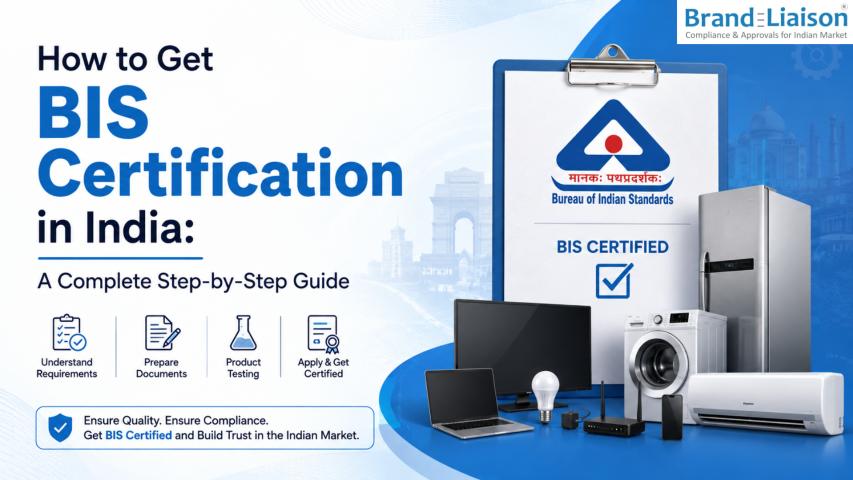
Step-by-Step BIS Certification Process for Electronic Clocks
-
Identify applicable standard – IS 302-2-26
-
Product testing at BIS-approved laboratory
-
Apply for BIS Registration under CRS
-
Factory inspection (if applicable)
-
Grant of BIS License
-
Compliance with ongoing BIS QCO requirements
Conclusion
EVTL India is one of the leading BIS Consultant in India, helping manufacturers obtain their BIS licences hassle-free.Obtaining BIS Certification for Electronic Clocks under IS 302-2-26 is not optional—it is a regulatory necessity. From BIS Registration and CRS compliance to navigating QCO requirements, expert guidance ensures faster approvals and long-term compliance.