Introduction
Sustainability has become one of the most important priorities in modern construction. Businesses, developers, and architects are now focusing on creating buildings that consume less energy, reduce waste, and provide healthier environments for occupants. Achieving these goals requires careful planning and advanced digital solutions. This is why many organizations rely on Bim Companies in Chennai to improve project efficiency while supporting environmentally responsible construction practices.
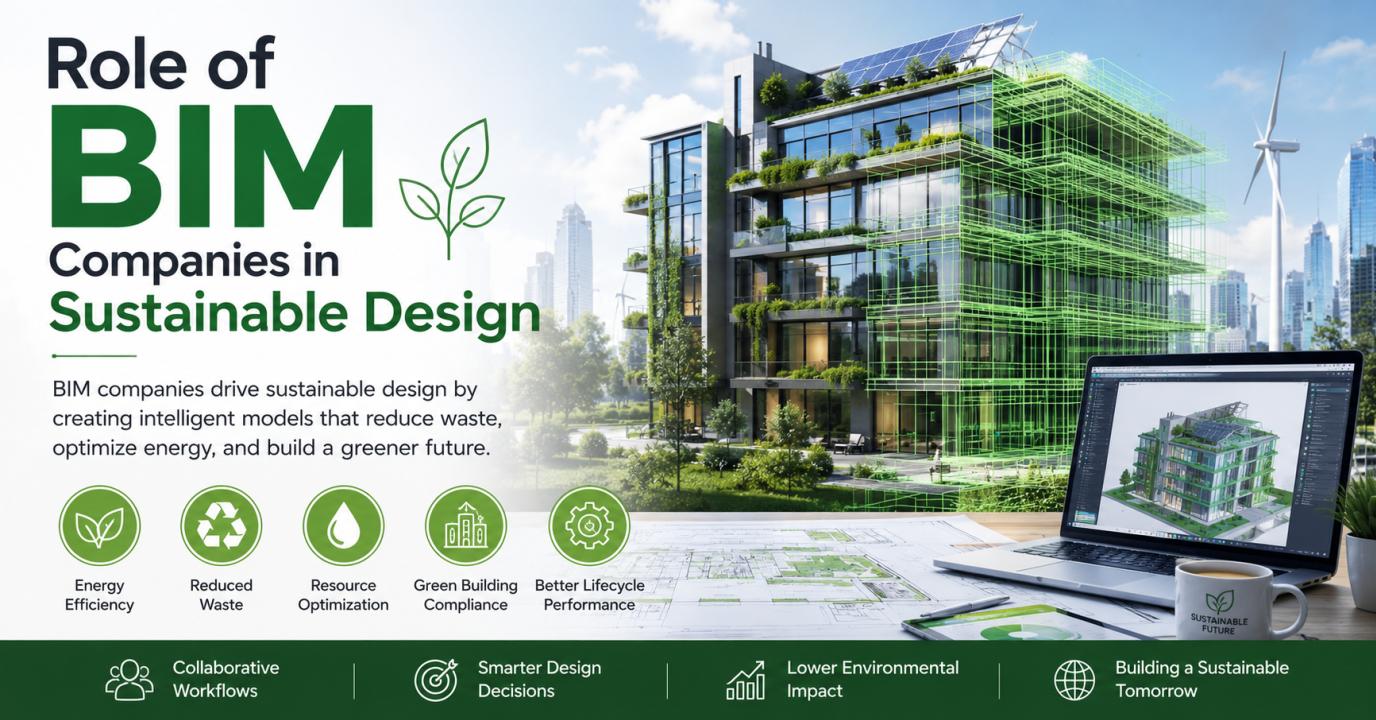
Building Information Modeling, commonly known as BIM, allows construction teams to create intelligent digital models that improve decision-making throughout every stage of a project. From design development to long-term maintenance, BIM supports sustainability in several practical ways.
Designing With Better Accuracy
Traditional construction planning often leaves room for design conflicts and unexpected errors. These issues can lead to material waste, delays, and additional costs during construction.
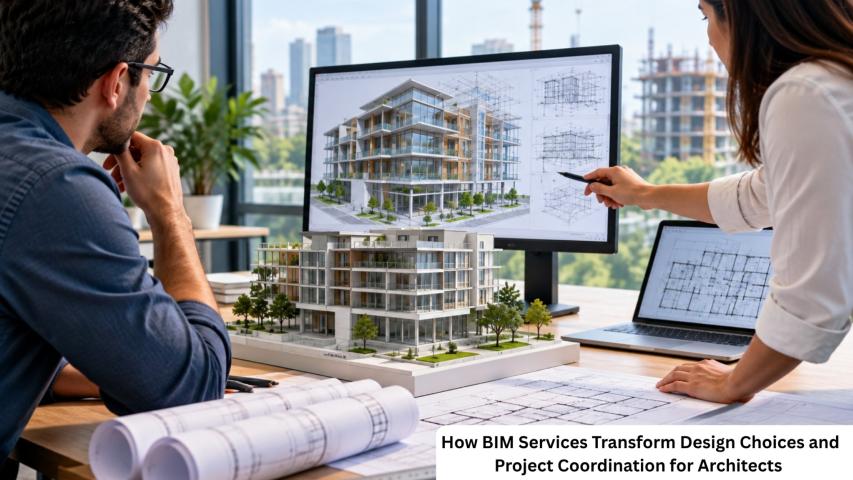
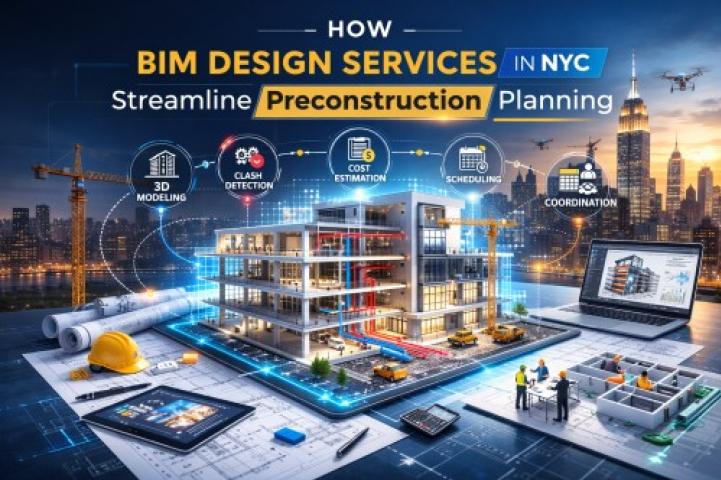
BIM companies help solve this problem by creating highly detailed 3D models that allow project teams to identify clashes before actual construction begins. Engineers, architects, and contractors can work together within the same digital environment to improve coordination and avoid unnecessary mistakes.
This level of accuracy helps reduce wasted resources and improves the overall efficiency of construction activities. Better planning also leads to smoother execution and more sustainable project outcomes.
Smarter Energy Planning
Energy efficiency is one of the key goals of sustainable design. Buildings that consume excessive energy increase operational costs and place additional pressure on environmental resources.
BIM companies support smarter energy planning by analyzing building performance during the design phase. Digital models allow teams to study lighting conditions, ventilation systems, insulation performance, and energy consumption patterns before construction begins.
These insights help project teams make informed decisions about materials, layouts, and mechanical systems that can improve energy efficiency over time. As a result, businesses can create buildings that are both environmentally responsible and cost-effective to operate.
Reducing Material Waste
Construction waste remains a major challenge in the industry. Poor planning and inaccurate quantity estimation often lead to excess material usage and disposal problems.
BIM technology helps minimize waste through precise quantity calculations and better project visualization. Contractors can estimate material requirements more accurately, reducing over-ordering and unnecessary consumption.
Digital coordination also prevents rework caused by design conflicts, which further reduces waste generation on construction sites. This contributes to cleaner project execution and more sustainable resource management.
Supporting Green Building Standards
Many modern projects aim to achieve green building certifications that recognize environmentally responsible design and construction practices. BIM companies play an important role in helping projects meet these standards.
Through detailed modeling and performance analysis, BIM supports efficient water usage, energy optimization, indoor air quality planning, and sustainable material selection. The technology also simplifies documentation processes required for certification programs.
By improving transparency and project coordination, BIM allows teams to align construction activities with sustainability objectives more effectively.
Improving Long-Term Building Performance
Sustainable design is not limited to construction alone. Buildings must continue to perform efficiently throughout their operational lifespan.
BIM companies create digital models that can be used even after project completion. Facility managers can access detailed information about building systems, maintenance schedules, and equipment performance through these models.
This improves maintenance planning and helps organizations operate buildings more efficiently over time. Better operational management leads to reduced energy consumption, lower maintenance costs, and improved building durability.
Encouraging Collaborative Decision-Making
Sustainable projects often involve multiple stakeholders, including architects, engineers, contractors, consultants, and facility managers. Poor communication between teams can affect project quality and environmental performance.
BIM creates a collaborative platform where all stakeholders can access updated project information in real time. This shared approach improves communication and allows teams to make faster and more informed decisions.
Many developers working with Bim Companies in Hyderabad value this collaborative environment because it helps maintain consistency throughout the project lifecycle while supporting sustainable construction goals.
Conclusion
BIM companies have become an important part of sustainable construction by helping projects achieve better efficiency, reduced waste, and improved long-term performance. Their digital planning methods support smarter decision-making from design to maintenance, making sustainable construction more practical and achievable.
As the construction industry continues to prioritize environmental responsibility, BIM will remain a valuable tool for creating buildings that are efficient, reliable, and future-ready.