
Reliable internet access has become an essential part of everyday life. From remote work and online learning to streaming, cloud applications, smart-home devices, and small-business operations, people increasingly depend on a stable connection. At the same time, consumers are looking for internet plans that provide flexibility without unnecessary long-term commitments.
This is where no-contract internet options and cellular-based connectivity can become useful. Understanding how these services work can help households and businesses evaluate internet choices based on availability, pricing, data requirements, and expected performance.
Why Flexible Internet Plans Are Becoming More Popular
Traditional internet plans may sometimes involve contracts, equipment requirements, installation arrangements, or early termination conditions. For people who move frequently, rent their homes, operate seasonal businesses, or simply prefer flexibility, these conditions may not always fit their needs.
Choosing internet providers no contract can offer an alternative for customers who want service without committing to a lengthy agreement. Depending on the provider and plan, customers may be able to subscribe on a month-to-month basis or choose other flexible arrangements.
The Federal Communications Commission's Broadband Facts label is designed to help consumers review important plan information, including monthly pricing, contract requirements, additional fees, speeds, data allowances, and other terms.
What to Check Before Choosing a No-Contract Plan
A no-contract plan does not automatically mean every aspect of the service will be the same. Customers should review: - Monthly service costs - Equipment or activation fees - Data limits - Download and upload speeds - Network availability - Promotional pricing - Taxes and additional charges - Cancellation and equipment-return requirements
Reading these details beforehand can make it easier to compare plans based on the actual cost and service conditions rather than promotional pricing alone.
Understanding Cellular Internet Connectivity
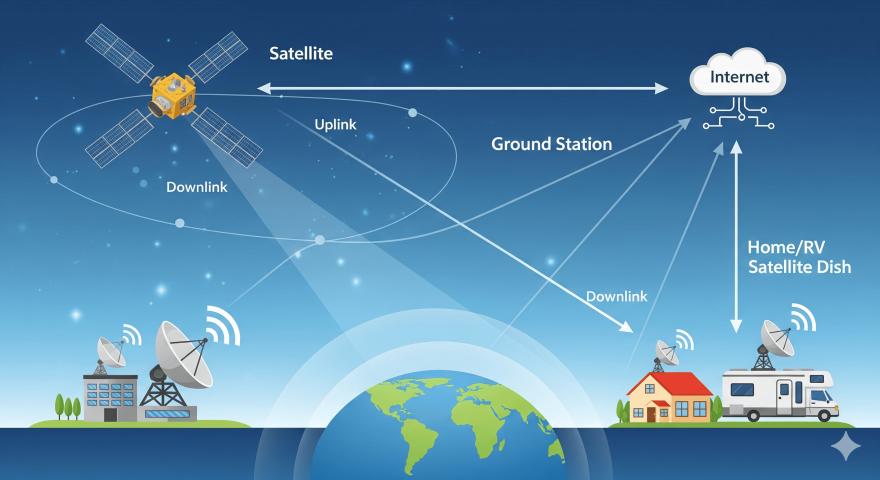
Cellular internet uses mobile networks to provide internet access. Instead of relying exclusively on traditional wired infrastructure, a compatible modem, router, or hotspot can connect to a cellular network and distribute internet access to connected devices.
The FCC defines mobile broadband as internet access delivered through a mobile network, and such services can include prepaid or directly billed data plans.
This approach can be particularly useful in locations where traditional wired options are limited or where users need a portable connection.
For businesses and individuals exploring this option, selecting a reliable cellular internet service provider involves considering network coverage, available technologies, data allowances, equipment compatibility, and expected usage.
Cellular Internet for Work and Small Businesses
Internet requirements have changed significantly as more businesses rely on cloud-based tools. Employees may need access to video conferencing, project-management platforms, cloud storage, email, and online communication systems throughout the workday.
A cellular connection can potentially serve as a primary connection in some locations or as a backup connection when a traditional broadband service experiences an interruption.
For small businesses, flexibility can also be valuable when opening temporary locations, operating mobile offices, supporting field teams, or working from areas where fixed broadband choices are limited.
Check Availability Before Signing Up
Internet availability can vary considerably from one location to another. A service that performs well in one area may not provide the same experience somewhere else.
The FCC's National Broadband Map allows users to check reported broadband availability, technologies, and advertised speeds at specific locations. The map also includes separate information for fixed and mobile broadband services.
Using available coverage information alongside provider-specific coverage tools can help consumers determine which connectivity options may be practical for their location.
Choosing the Right Internet Solution
There is no single internet plan that works equally well for every household or business. The right choice depends on how the connection will be used.
A household with several people streaming video, attending online classes, gaming, and working remotely may need higher capacity than someone who primarily checks email and browses websites.
Likewise, a business using cloud applications throughout the day may place greater importance on consistency, latency, upload performance, and backup connectivity.
The Value of Flexible Connectivity
Modern internet users increasingly need connectivity that fits changing life>
The most important step is to compare the complete service rather than focusing only on advertised speeds or introductory prices. Coverage, data allowances, equipment, fees, contract terms, and expected usage all influence the practical value of an internet connection.
By evaluating these factors carefully, consumers and businesses can select an internet solution that better aligns with their current requirements while leaving room for future changes.
FAQs
1. What is no-contract internet?
No-contract internet generally refers to service that does not require a long-term fixed agreement, although specific terms vary by provider.
2. Is cellular internet the same as Wi-Fi?
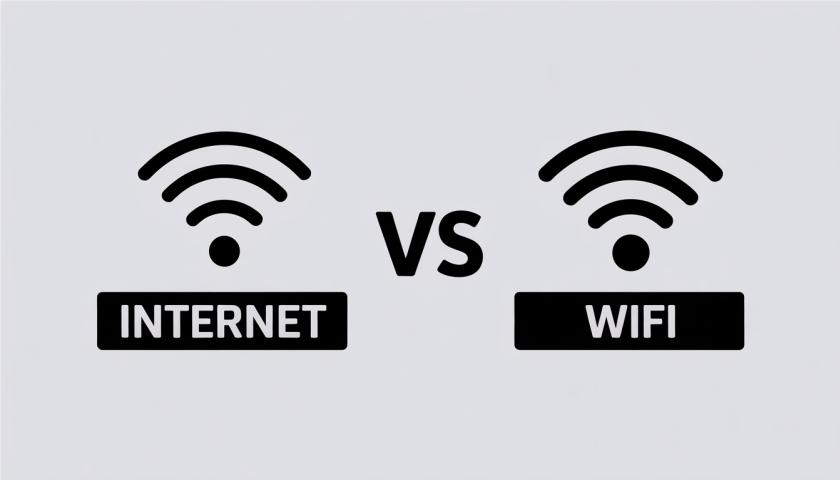
No. Cellular internet is the connection provided through a mobile network, while Wi-Fi is the wireless method used to connect devices to a router or access point.
3. Can cellular internet be used for business?
Yes. Cellular internet can support many business activities, depending on coverage, network performance, data allowances, and the business's connectivity requirements.
4. How can I check internet availability?
Consumers can use provider coverage tools and the FCC National Broadband Map to review reported broadband availability at a location.
5. What should I compare between internet plans?
Compare monthly pricing, speeds, data allowances, coverage, equipment costs, additional fees, and contract or cancellation terms before selecting a plan.