The internet has become an essential part of modern life, connecting people to education, employment, healthcare, and business opportunities. However, reliable internet access remains a challenge for people living in rural communities and remote locations. As digital technology continues to evolve, having a stable internet connection is becoming increasingly important for individuals, families, and businesses.
From supporting remote professionals to helping small businesses expand their reach, reliable connectivity plays a significant role in economic growth and digital inclusion. Understanding the available internet solutions can help people make informed decisions and stay connected, regardless of where they live.
Why Reliable Internet Matters in Remote Areas
Internet connectivity is no longer limited to entertainment or basic communication. It supports essential daily activities, including online education, digital banking, healthcare consultations, and professional collaboration.
For people living outside major cities, accessing reliable internet can open doors to opportunities that were previously difficult to reach.
Supporting Education and Digital Learning
Students in rural areas increasingly depend on online resources, virtual classrooms, and educational platforms. A stable internet connection allows them to attend online classes, access learning materials, and communicate with teachers.
Reliable connectivity also helps adults develop new skills through online courses and professional training programs, making education more accessible to people in underserved communities.
Improving Access to Essential Services
Internet access allows rural residents to use telehealth services, manage financial transactions, and access government resources online. These services can reduce the need for frequent travel and make everyday tasks more convenient.
As digital services expand, dependable connectivity becomes an important part of improving the quality of life in remote communities.
How Internet Connectivity Supports Remote Professionals
Remote work has changed how businesses operate and how professionals approach their careers. Employees can now work from home, collaborate with colleagues across different locations, and manage projects without commuting to a traditional office.
However, these benefits depend heavily on having a dependable internet connection.
The Importance of Home Internet for Remote Work
A reliable connection allows professionals to participate in video conferences, access cloud-based applications, share files, and communicate with team members in real time.
Choosing suitable Home Internet for Remote Work helps minimize disruptions during important meetings and supports a more productive working environment.
Professionals working from rural homes or remote locations should consider their daily internet requirements, including upload speeds, download speeds, data limits, and network stability.
Creating a Productive Home Office
A productive home office requires more than a comfortable desk and a suitable computer. Internet performance also plays an important role in maintaining focus and completing tasks efficiently.
Professionals can improve their home office setup by placing their router in a suitable location, using updated networking equipment, and choosing an internet plan that supports their workload.
Having a backup connection can also help minimize interruptions during unexpected network outages.
Exploring Internet Solutions for Remote Locations
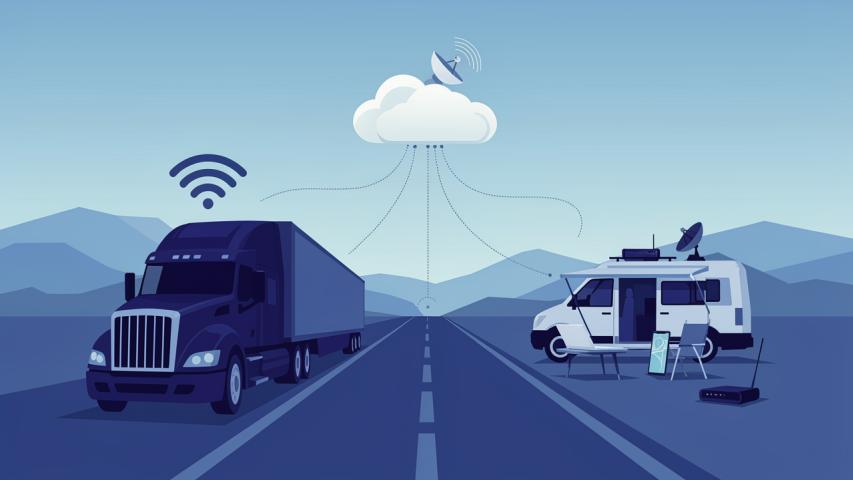
Not every location has access to traditional broadband infrastructure. Fortunately, several technologies can help individuals and businesses connect to the internet in areas where wired services are limited.
Wireless Internet Connectivity
Wireless internet solutions use radio signals to provide connectivity without requiring a physical cable connection to every property.
Fixed wireless and cellular internet can be practical options in areas with sufficient network coverage. Their performance depends on signal strength, network capacity, and local infrastructure.
These solutions can support everyday activities such as browsing, video calls, online learning, and remote work.
Satellite Internet for Hard-to-Reach Areas
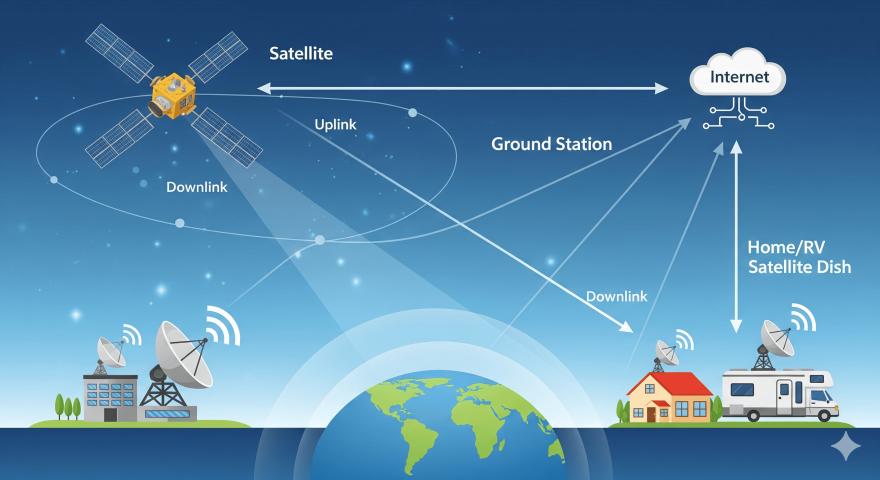
Satellite internet can provide connectivity in locations where traditional broadband and cellular services are unavailable or limited.
It can be particularly useful for isolated homes, rural businesses, and properties far from established communication networks.
However, users should consider equipment costs, weather conditions, data policies, and connection latency before selecting a satellite service.
Choosing Internet for Remote Locations
Finding suitable internet for remote locations starts with understanding the services available at a specific address.
People should compare available connection types, expected speeds, monthly costs, installation requirements, and customer support.
The right solution depends on individual needs, whether the connection is intended for basic browsing, professional work, online education, or business operations.
The Role of Internet Services in Rural Communities
Access to dependable connectivity can help rural communities participate more fully in the digital economy.
Expanding Business Opportunities
Home Internet for Remote Work in rural areas can use the internet to reach customers beyond their immediate communities. Online stores, digital marketing, and virtual customer support allow entrepreneurs to expand their operations.
Reliable connectivity also helps businesses manage payments, communicate with suppliers, and access cloud-based business tools.
Understanding Internet Services for Rural Communities
Internet Services for Rural Communities are essential for connecting households, educational institutions, healthcare facilities, and local businesses to digital resources.
Different technologies, including fiber broadband, fixed wireless, cellular networks, and satellite internet, can help address connectivity challenges.
The availability and performance of these services vary by location. Infrastructure development, affordability, and digital literacy also influence how effectively communities can benefit from internet access.
Conclusion
Reliable internet connectivity is essential for modern work, education, business development, and everyday communication.
Although remote and rural areas may face infrastructure challenges, several internet technologies can help bridge connectivity gaps.
By evaluating available services, understanding individual requirements, and choosing suitable connectivity solutions, people and businesses can improve their digital experiences and take advantage of opportunities in an increasingly connected world.
Frequently Asked Questions
1. Why is reliable internet important in rural areas?
It supports education, healthcare, communication, remote work, and business activities.
2. What internet options are available in remote locations?
Options may include cellular, fixed wireless, satellite, DSL, and fiber broadband.
3. How does internet improve remote work?
It enables video meetings, online collaboration, file sharing, and access to cloud applications.
4. Can rural businesses benefit from internet access?
Yes. Internet access helps businesses reach customers, manage operations, and expand online.
5. How can I choose internet for a remote location?
Compare local availability, connection speeds, reliability, pricing, and data limits.