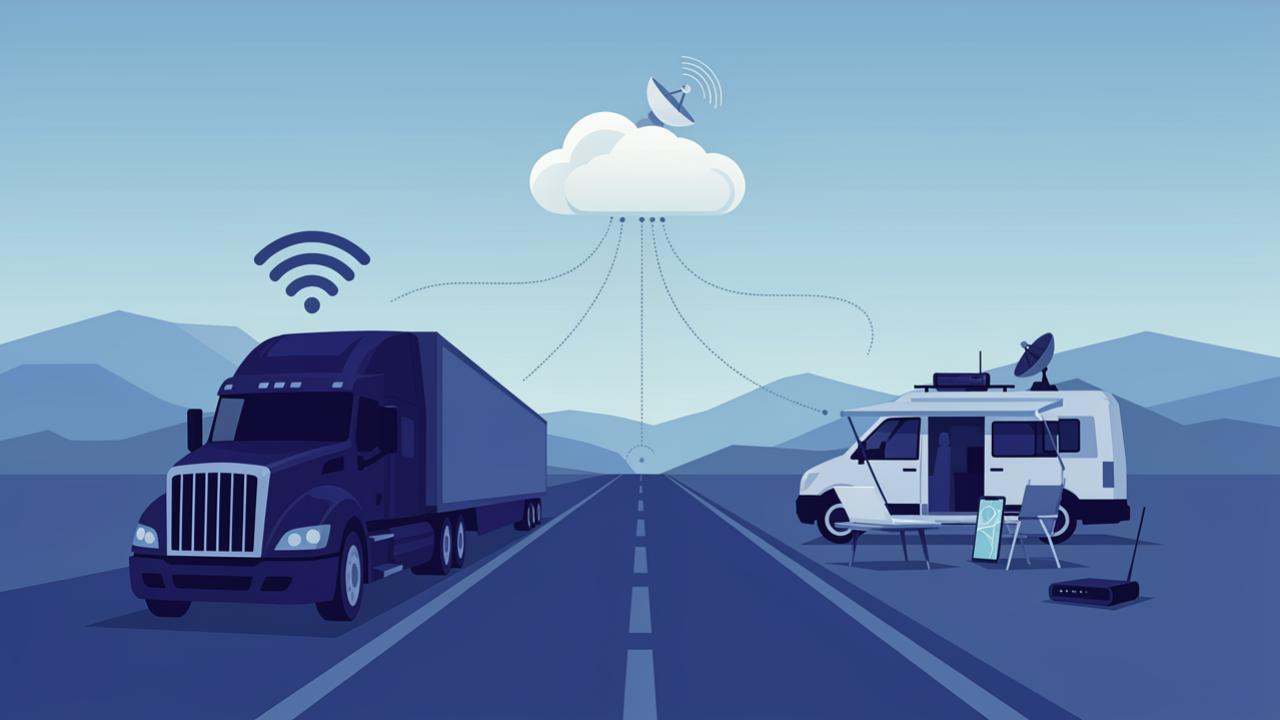
Staying connected has become an essential part of modern life, even for people who spend most of their time on the road. Truck drivers, RV travelers, remote workers, and other travelers often move through rural areas where traditional broadband services may not be readily available. Having dependable internet access can make communication, navigation, entertainment, and work much easier.
With several connectivity technologies now available, travelers can explore different solutions based on their routes, data requirements, and devices. Understanding these options can help road travelers create a more dependable internet setup.
Why Reliable Internet Matters for Truckers
For professional truck drivers, internet access is about more than entertainment. Drivers may rely on connectivity for navigation, dispatch updates, electronic paperwork, weather information, scheduling, and communication with their employers or customers.
During rest periods, a reliable connection can also provide access to streaming services, social media, online shopping, video calls, and other digital activities. Because drivers frequently travel through different regions, having a portable internet solution can be more practical than depending on fixed broadband.
A dedicated service designed for mobile users can help drivers maintain connectivity while moving between cities and remote highways.
Choosing the Right Internet for Truckers
When researching the internet for truckers, several factors should be considered before selecting a service. Coverage is particularly important because drivers may travel through areas with limited infrastructure.
Data usage is another major consideration. Browsing the web and checking email generally consume less data than video streaming, video conferencing, and large downloads. Drivers should therefore select a plan that matches their expected monthly usage.
Portability is equally important. Equipment should be easy to operate inside a truck and convenient enough to use regularly without complicated setup procedures.
Consider Your Travel Routes
Drivers who frequently travel across different states or rural regions should examine coverage before choosing a service. A connection that performs well in one location may have different performance elsewhere.
Checking availability information and considering the areas where a driver spends the most time can make the selection process more practical.
Exploring Satellite Internet for Remote Locations
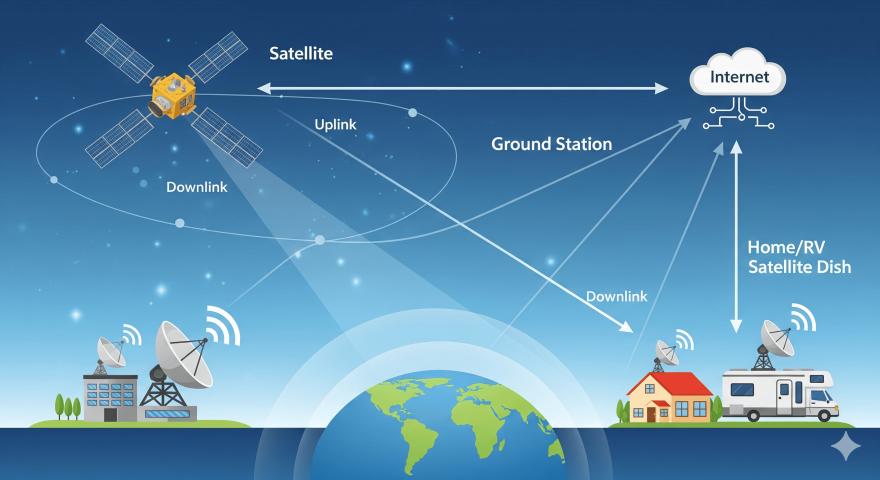
Satellite internet has become an important connectivity option for people who live or travel in locations where conventional broadband infrastructure may be limited. Instead of depending entirely on terrestrial cables or local infrastructure, satellite services communicate through satellites to provide internet access.
Travelers researching the best satellite internet options should compare factors such as availability, equipment requirements, expected speeds, data policies, portability, and overall service conditions.
Satellite connectivity can be particularly useful in remote environments, although physical surroundings and service characteristics can affect performance. A clear view of the sky may also be necessary for certain satellite systems.
Understanding Broadband Availability
Knowing what connectivity options are available along a route can help travelers prepare more effectively. The National Broadband Map from the Federal Communications Commission provides information about reported broadband availability across the United States.
Travelers can use broadband availability information as one part of their research when planning connectivity for homes, work locations, or frequently traveled areas. However, reported availability should not necessarily be interpreted as a guarantee of actual performance at every moment.
Network congestion, terrain, weather, equipment placement, and other conditions can influence the experience.
Important Features to Compare
Choosing an internet solution becomes easier when travelers focus on the features that directly affect their daily usage.
Coverage
Broad coverage is valuable for truckers who regularly travel long distances. Checking service availability along common routes can help identify potential connectivity gaps.
Data Allowances
Users who regularly stream videos, participate in video meetings, or download large files should pay attention to data limits and usage policies.
Device Connectivity
A truck driver may need internet access on several devices, including smartphones, laptops, tablets, and entertainment systems. A suitable router or hotspot should be capable of handling the expected number of connected devices.
Equipment
Portable equipment should be easy to install, operate, and maintain. Drivers should also consider how the equipment will receive power while traveling.
Creating a More Reliable Connectivity Setup
Depending on a single connection may not always be practical for someone who spends significant time on the road. A backup option can provide another way to get online when the primary service becomes unavailable.
For example, a driver might use a dedicated mobile internet service as the primary connection while keeping a smartphone hotspot or another connectivity option available for emergencies.
Preparing devices before a trip can also help. Downloading offline maps, saving important documents, updating applications, and keeping essential information accessible offline can reduce dependence on an active connection.
Final Thoughts
Reliable internet can make life on the road more convenient and productive. For truckers and remote travelers, the right solution depends on factors such as coverage, data requirements, portability, equipment, and travel patterns.
Mobile and satellite connectivity provide different ways to stay online, while broadband availability tools can help travelers research their options before heading into unfamiliar areas. By comparing services carefully and preparing a backup option, road travelers can build a connectivity setup that better supports communication, work, navigation, and entertainment.
FAQs
1. Why is the internet important for truckers?
Truckers can use internet access for navigation, dispatch communication, work, weather updates, and entertainment.
2. Is mobile internet suitable for long-distance drivers?
Mobile internet can be useful for drivers who travel through areas covered by the provider's network.
3. Can satellite internet work in remote areas?
Satellite internet can provide connectivity in locations where traditional broadband infrastructure is limited.
4. What should I check before choosing truck internet?
Consider coverage, data limits, portability, equipment, device support, and expected usage.
5. Should truckers have backup internet?
A backup connection can provide an alternative way to get online if the primary connection becomes unavailable.