Interior design
is a creative profession that combines aesthetics, functionality, space
planning and technical knowledge. However, not every interior designer works on
the same type of project. Some specialise in homes and apartments, while others
design offices, retail stores, restaurants, hotels and commercial spaces.
If you are
planning to become an interior designer, understanding the difference between
residential and commercial interior design can help you choose a career path
that matches your interests, skills and professional goals.
Both
specialisations offer opportunities to solve design challenges, work with
clients and transform spaces. The main differences lie in how each space is
used, the design process, project requirements and client expectations.
In this guide,
we explore residential vs commercial interior design, the skills required for
each, career opportunities and how aspiring designers can prepare through
professional training.
What Is Residential Interior Design?
Residential interior design focuses on designing living spaces such as apartments, independent houses, villas and residential properties. The primary goal is to create comfortable, functional and visually appealing environments that reflect the life>
Residential
designers consider how individuals and families use their homes every day. They
balance aesthetics with practical requirements such as storage, lighting,
furniture placement, privacy and movement between rooms.
Key Areas of Residential Interior Design
1. Space
Planning
Designers
organise rooms and furniture to make the best use of available space. They
consider circulation, room dimensions, storage and the relationship between
different areas of a home.
2. Materials
and Finishes
Choosing
flooring, wall finishes, laminates, fabrics, countertops and other materials is
an important part of residential design. Selection depends on appearance,
durability, maintenance and the client's budget.
3. Lighting and
Colour Selection
Lighting and
colour influence the mood and functionality of a home. Designers plan natural
and artificial lighting while selecting colours that complement the space and
the client's preferences.
4. Furniture
and Storage Design
Residential projects
often require customised wardrobes, modular kitchens, shelving and furniture
layouts that improve comfort and maximise usable space.
5. Personalised
Design Solutions
Every household has different requirements. A residential interior designer must understand the client's life>
Career Opportunities in Residential Interior Design
Professionals
in this specialisation may work as residential interior designers, kitchen and
wardrobe designers, space planners, furniture designers or independent design
consultants.
Residential
projects can range from single-room renovations to complete apartment and villa
interiors. The scale depends on the client's requirements and the designer's experience.
What Is Commercial Interior Design?
Commercial
interior design focuses on spaces used for business, public interaction and
professional activities. Examples include corporate offices, retail stores,
restaurants, hotels, healthcare facilities and educational institutions.
Unlike
residential design, commercial projects often involve larger teams, business
objectives, operational requirements and specific regulations. The design must
support how people work, shop, dine, learn or access services.
Key Areas of Commercial Interior Design
1. Workplace
and Operational Planning
Office
designers organise workstations, meeting rooms, reception areas and
collaborative spaces. Retail designers plan customer circulation, product
displays and checkout areas to support business operations.
2. Brand
Identity and Customer Experience
Commercial
interiors often reflect a company's identity through colours, materials,
signage, lighting and spatial arrangements. In retail and hospitality, the
environment can influence how customers experience a brand.
3.
Functionality and Durability
Commercial
spaces may experience heavy daily use. Designers must consider durable
materials, maintenance requirements, accessibility and the practical needs of
employees and visitors.
4. Safety and
Regulatory Requirements
Depending on
the project and location, commercial interiors may need to comply with fire
safety, accessibility, building and occupancy requirements. Designers
coordinate with relevant professionals to address these requirements.
5. Coordination
and Project Delivery
Commercial
projects can involve business owners, architects, contractors, consultants,
facility managers and other stakeholders. Clear drawings, specifications,
communication and coordination are essential to delivering projects
successfully.
Career Opportunities in Commercial Interior Design
Commercial
interior designers may specialise in office interiors, retail design,
hospitality design, healthcare interiors, educational spaces or workplace
planning.
These roles
often require strong technical documentation, coordination and project
management skills, depending on the type and scale of the project.
Residential vs Commercial Interior Design: Key
Differences
Although both
specialisations use design principles, their priorities and working processes
can differ significantly.
Residential
Interior Design
- Purpose: Create comfortable and
personalised living spaces.
- Typical projects: Apartments,
villas and houses.
- Main users: Individuals and
families.
- Design priorities: Comfort, life>
- Materials: Selected for
appearance, comfort, durability and budget.
- Coordination: Often involves
homeowners, contractors and suppliers.
Commercial
Interior Design
- Purpose: Support business
activities and user experience.
- Typical projects: Offices, retail
stores, hotels and restaurants.
- Main users: Employees, customers,
visitors and the public.
- Design priorities: Functionality,
operations, brand identity and durability.
- Materials: Often selected for
durability, maintenance and intended use.
- Coordination: May involve multiple
stakeholders, consultants and contractors.
Neither
specialisation is automatically better than the other. The right choice depends
on your interests, strengths and the kind of design challenges you enjoy
solving.
Which Specialisation Is Better for Your Career?
Choosing between residential and commercial interior design becomes easier when you consider your interests and preferred working >
Choose Residential Interior Design If You Enjoy:
- Designing personalised spaces for
individuals and families.
- Working with furniture, colours,
lighting and decorative finishes.
- Solving storage and space-planning
challenges.
- Understanding clients' life>
- Creating homes that balance comfort,
function and appearance.
Choose Commercial Interior Design If You Enjoy:
- Designing workplaces, retail
environments and hospitality spaces.
- Understanding how people interact
with a space.
- Combining design with business
objectives and brand identity.
- Working with technical drawings
and project coordination.
- Collaborating with multiple
professionals on larger projects.
You do not
necessarily need to make this decision at the beginning of your career.
Learning the fundamentals of interior design can help you explore both areas
before choosing a specialisation.
Essential Skills for Residential and Commercial Interior
Designers
Regardless of
the specialisation, interior designers need a combination of creative,
technical and communication skills.
Space Planning: Understanding dimensions, circulation,
furniture layouts and the effective use of available space.
Design
Principles: Applying
proportion, balance, colour, texture, lighting and composition to create
cohesive interiors.
Technical
Drawings: Preparing
layouts, elevations and other drawings required to communicate design ideas
clearly.
3D
Visualisation: Using
appropriate design software to present concepts and help clients understand
proposed spaces.
Materials and
Finishes: Understanding
material characteristics, appearance, durability, maintenance and suitability
for different applications.
Communication: Listening to clients, presenting
ideas, explaining design decisions and coordinating with other professionals.
Budget and
Project Awareness: Understanding
cost constraints, timelines, material selection and the practical steps
involved in delivering a project.
Practical
experience is particularly valuable because design decisions must work in real
spaces, not just look appealing in a presentation.
Why Practical Training Matters in Interior Design
Learning design
theory is important, but aspiring designers also need opportunities to apply
what they learn. Practical training helps students understand how design
concepts become drawings, material selections, visualisations and project
proposals.
A structured
interior design course can introduce students to core design principles while
helping them develop technical and creative skills.
When comparing
interior design courses in bangalore, look beyond the course title. Consider
the curriculum, trainer experience, practical assignments, software exposure,
portfolio development and opportunities to understand industry practices.
Before enrolling,
ask the institute:
- Does the curriculum cover space
planning, technical drawings and materials?
- Will I work on practical design
assignments or live project exercises?
- Will I learn relevant 2D and 3D
design tools?
- Are workshops or industry exposure
opportunities included?
- Will I receive guidance on
developing a professional portfolio?
- What internship and placement
support is available?
The answers can
help you evaluate whether a programme aligns with your learning needs and
career goals.
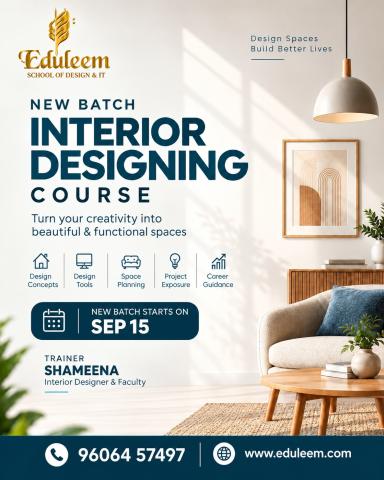
Learn Interior Design with Eduleem in Bangalore
For aspiring
designers looking to build their foundation, Eduleem offers six-month and
one-year interior design programmes in Bangalore, combining design learning
with practical exposure.
The programmes
are designed to help students develop their understanding of interior design
concepts and prepare for opportunities in the design industry.
What Can You Explore at Eduleem?
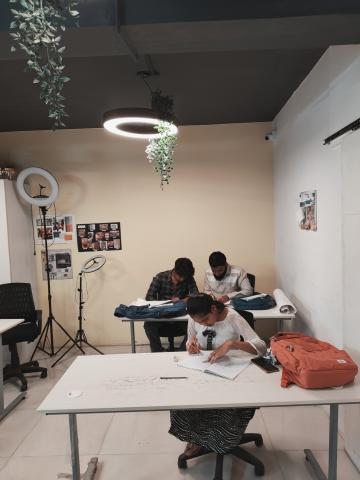
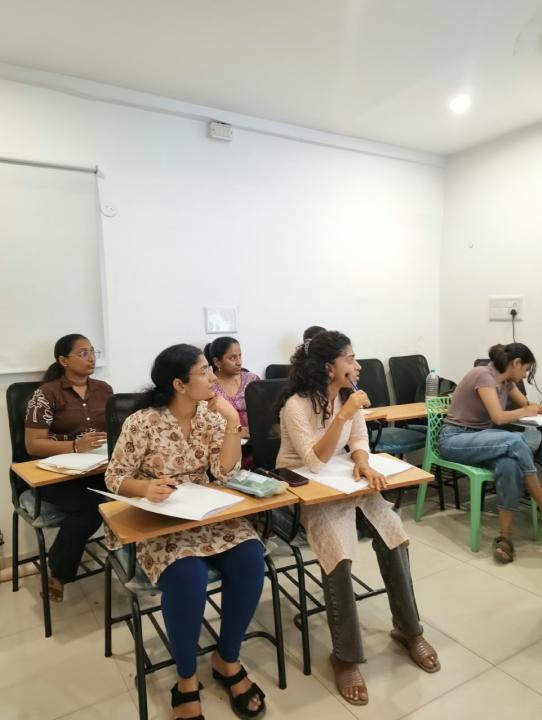
Practical
Design Learning: Develop your
understanding of space planning, technical drawings, materials and finishes,
and 3D visualisation through the programme curriculum.
Industry
Exposure: Workshops and
manufacturing unit visits provide opportunities to learn more about materials,
products and industry practices.
Project and
Portfolio Development: Practical project experience can help you apply design concepts and build
examples of your work for a professional portfolio.
Internship
Opportunities: The programme
includes a three-month internship component, with live project exposure subject
to project availability and programme arrangements. Confirm the current details
with the admissions team.
Career
Preparation: Eduleem
provides placement support, resume guidance and interview preparation to help
students prepare for relevant career opportunities. Placement support does not
guarantee employment.
Whether you are
interested in residential interiors or want to explore commercial design,
learning the fundamentals can give you a starting point for understanding both
specialisations. Your future direction can then develop through your interests,
practical projects and professional experience.
If you are
comparing an interior design course to begin your career, explore the programme
details and choose a duration that suits your learning goals.
Explore
Eduleem's Interior Design Course in Bangalore:
https://eduleem.com/course/interior-design-course-in-bangalore
You can also
enquire about the six-month programme here:
https://eduleem.com/course/interior-design-training-in-bangalore
Contact Eduleem
to confirm the latest curriculum, eligibility, fees, upcoming batches and
internship arrangements.
Frequently Asked Questions
1. What Is the Main Difference Between Residential and
Commercial Interior Design?
Residential interior design focuses on homes and the life>
2. Can an Interior Designer Work in Both Residential and
Commercial Projects?
Yes. Designers
with a strong foundation in space planning, materials, technical drawings and
visualisation may work across both areas. The specific skills and experience
required depend on the projects they undertake.
3. What Should I Learn to Become an Interior Designer?
Start with
design fundamentals, space planning, colour theory, materials and finishes,
technical drawings and 3D visualisation. Practical assignments, project
experience and portfolio development can help you apply these skills.
4. How Do I Choose Among Interior Design Courses in
Bangalore?
Compare the
curriculum, programme duration, practical training, trainer experience,
software exposure, project work, fees and career support. Ask the institute for
current course details before enrolling.
5. Does Eduleem Offer a Six-Month Interior Design Course?
Yes. Eduleem
offers a six-month interior design programme as well as a one-year programme.
Contact the admissions team to confirm the current syllabus, fees, eligibility
and batch availability.
6. Does Completing an Interior Design Course Guarantee a
Job?
No course can
guarantee employment. Career opportunities depend on skills, portfolio quality,
project experience, interview performance and employer requirements. Placement
support can help students prepare for the job search.
Conclusion
Residential and
commercial interior design share the same creative foundation, but each
addresses different needs. Residential designers focus on personalised living
environments, while commercial designers create spaces that support business
operations, customer experiences and professional activities.
Understanding
these differences can help you make a more informed decision about your career
direction. Whichever path interests you, building strong design fundamentals,
developing technical skills and gaining practical experience are valuable steps
towards becoming a professional interior designer.
If you are ready
to explore the field, discover Eduleem's interior design programmes in
Bangalore and find out how structured learning and practical exposure can help
you take the next step towards your design career.
Ready to begin
your interior design journey?
Visit Eduleem's
Interior Design Course page or contact the admissions team to learn more about
the available programmes.
https://eduleem.com/course/interior-design-course-in-bangalore