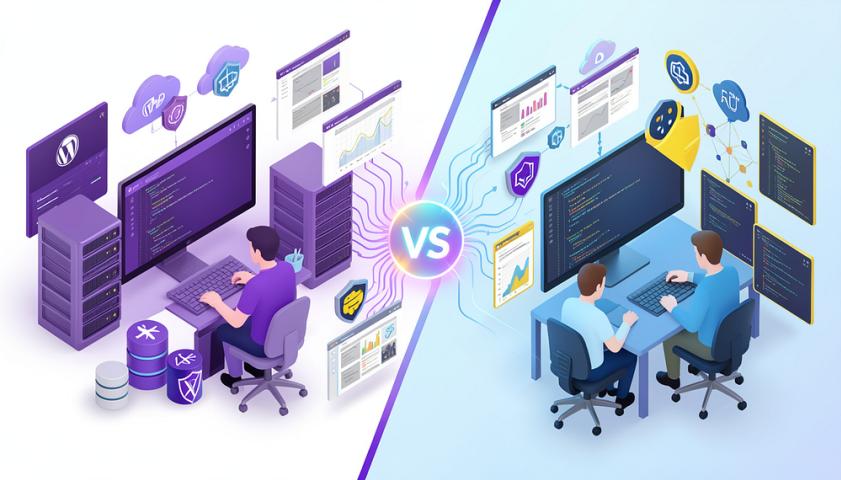
If you’ve ever tried to migrate your website from one content management system (CMS) to another, you know it’s difficult.
In 2025, the digital world is moving faster than ever, and businesses are under pressure to keep their websites fresh, secure, and scalable.
According to Statista, the global CMS market is projected to reach over $23.7 billion by 2025, with more than 60% of businesses planning a CMS migration or upgrade this year alone (Statista, 2025). That’s a lot of sites in transition-and a lot of opportunities for things to go sideways.
“According to Oracle More than 80% of data migration projects fail to meet deadlines or stick to the budget.”
That’s from Oracle, and it’s a stat that should make anyone pause before diving headfirst into a CMS migration1.
So, why do so many migrations hit roadblocks? From what I’ve seen (and what the data backs up), it’s usually a mix of technical hiccups, data headaches, and unexpected downtime.
The good news? There’s a solution that helps overcome these challenges: Kentico CMS. In fact, as businesses turn towards Kentico, they see significant improvements in everything from user experience to system integration.
Kentico is a highly flexible, customizable, and scalable CMS solution that’s trusted by over 1,000 businesses worldwide. Kentico's unique features directly address the top pain points organizations face during CMS migration, making it a top choice for those looking to simplify their content management journey.
Let’s break down the top five challenges in CMS migration and how Kentico steps up to solve them.
1. Data Loss and Integrity Issues
One of the most significant concerns when migrating from one CMS to another is the risk of losing data. This includes blog posts, product pages, user data, and other valuable content that may not always transfer smoothly. Even small errors during the migration can cause broken links, missing images, or formatting issues.
How Kentico Helps:
Kentico provides robust tools to ensure data integrity during the migration process. Their content import/export tools are built to handle large volumes of data while preserving the structure and formatting of your content. With Kentico, you can use built-in migration scripts and modules to securely transfer data and ensure no data is lost along the way. Plus, Kentico’s advanced versioning system keeps your content safe, ensuring that even if something goes wrong, you can easily recover it.
“The Kentico platform offers businesses a secure and reliable migration process, providing peace of mind and ensuring no data is lost in transit.” – Kentico Official Blog
2. SEO Risks and Traffic Drops
When migrating a website, there’s always a risk of losing SEO rankings drop or experiencing a traffic drop. SEO issues arise because URL structures may change, page content could be incorrectly mapped, or meta data might be lost in the process. Even a small change in the structure could cause a massive drop in traffic, and you might lose your position in search engine results.
How Kentico Helps:
Kentico focuses heavily on maintaining SEO performance during and after migration. The platform supports 301 redirects, which automatically guide visitors from old URLs to the new ones, ensuring your SEO value remains intact. Kentico also allows you to retain metadata (title tags, descriptions, keywords) and easily map URLs, avoiding issues like broken links or missing redirects. Additionally, Kentico’s SEO-friendly templates and features help you stay on top of SEO optimization during the transition.
3. Content Structure & Template Rebuild
Migrating to a new CMS often means rebuilding your content structure and templates. What worked in your old system might not be as efficient or compatible in your new CMS. The process of rethinking how content is presented and how your templates will function on the new system can be overwhelming.
How Kentico Helps:
Kentico offers flexible content structure modeling tools that allow you to adapt your existing content quickly to their system. You can easily map your old templates into Kentico’s customizable templates. The platform also lets you reuse and adjust old templates to fit the new system without having to start from scratch. Whether you’re moving simple pages or complex e-commerce content, Kentico can simplify this rebuilding process with its drag-and-drop interface and easy-to-use content management tools.
"Kentico offers a user-friendly migration process with tools that allow businesses to map their old content structure into the new system quickly." – TechRadar Review
4. Training Your Team and Adapting to New Workflows
Migrating to a new Content management system often requires your team to learn new workflows. From editors to content managers, everyone needs to get familiar with how things are done in the new system. This can lead to a temporary slowdown in productivity and increased frustration.
How Kentico Helps:
Kentico understands that training is a crucial part of a successful migration. The platform offers detailed tutorials, training sessions, and documentation to help your team adjust to the new system quickly. Kentico’s intuitive interface makes it easier for users with no technical background to understand and work with the CMS. For developers, Kentico provides comprehensive developer documentation and API guides that ensure the transition is as smooth as possible.
“Kentico provides robust training resources, making the transition to their platform seamless for both technical and non-technical teams.” – CMSWire
5. Budget and Time Constraints
Time and money are often the biggest constraints when migrating a CMS. Projects can get delayed, and costs can spiral out of control if you aren’t careful. Without a clear plan, you might find that the migration process takes much longer than expected, causing disruptions to your business.
How Kentico Helps:
Kentico helps mitigate these risks with its scalable and cost-effective migration tools. By offering a clear migration roadmap, Kentico allows businesses to map out their migration in phases, helping them stay on budget and avoid delays. Kentico’s built-in modules reduce the need for extensive customization, allowing businesses to cut down on development costs. Additionally, the platform offers cloud hosting and automation features that streamline deployment, ensuring the project remains within budget and on time.
Conclusion
Migrating your website or app to a new CMS doesn’t have to be a daunting process. While there are certainly challenges along the way, Kentico’s advanced tools and flexibility make it the ideal choice for overcoming these hurdles. From preserving SEO rankings to ensuring data integrity, Kentico has you covered every step of the way. If you’re considering a CMS migration, partnering with a Kentico Development Company will ensure that you’re in the best hands possible for a smooth, cost-effective, and successful transition.
If you’re ready to get started, contact Kentico CMS development experts today and discover how they can help streamline your migration.