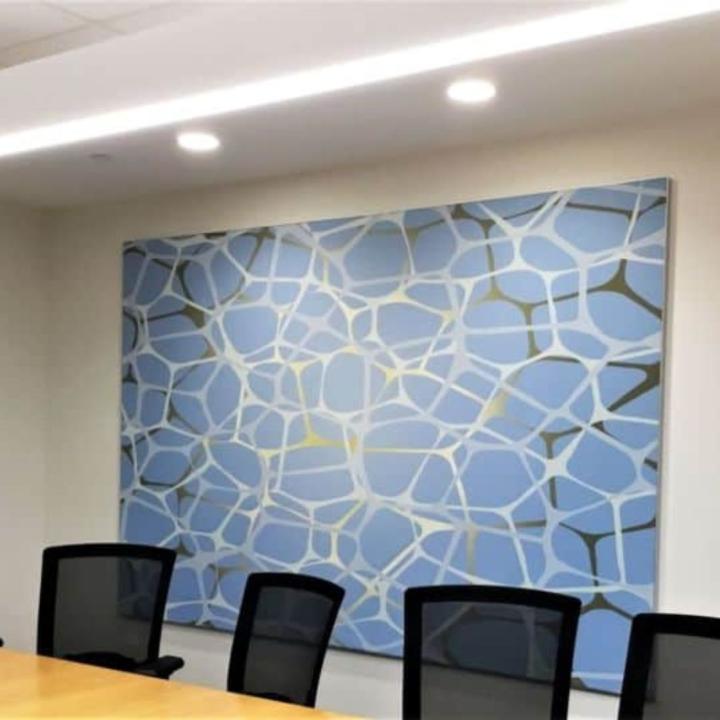

In the design and construction world, few things are as misunderstood—and often misjudged—as acoustic materials. While the importance of sound management is universally acknowledged across workplaces, hospitality spaces, healthcare environments, and even homes, not all acoustic materials live up to their hype.
Some get far more attention than they deserve, driven by trends, aesthetics, or marketing. Others, however, fly under the radar despite being cost-effective, high-performing, and versatile. It's time to unpack this imbalance and look at acoustic materials with a more critical eye.
Here's our curated list of acoustic materials that are overrated and underrated, based on performance, aesthetics, ease of maintenance, and adaptability.
Overrated Acoustic Materials
1. Fabric-Wrapped Panels
Yes, they look great. Yes, they’re customizable. But are they really worth the hype?
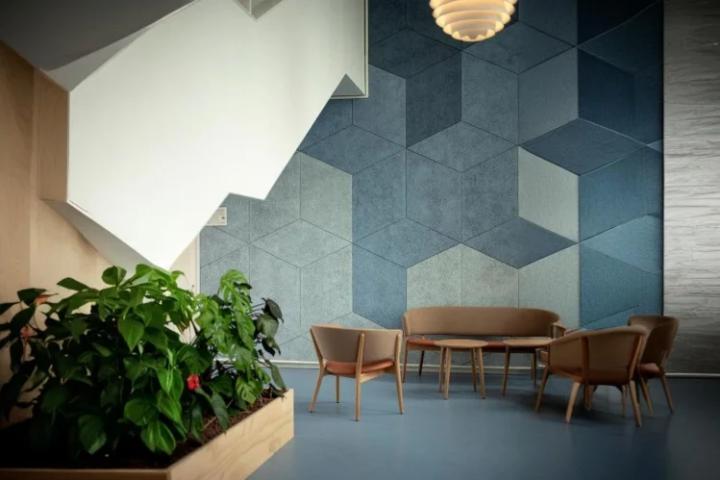
Fabric-wrapped acoustic panels are a staple in offices and auditoriums, but they come with more baggage than benefits. These panels can be magnets for dust and allergens, and they require regular maintenance to keep looking fresh. In high-traffic areas, they’re vulnerable to wear and tear.
What’s worse? Many of them don’t offer significant performance improvements over other acoustic materials available at half the cost. Unless you’re specifically after a decorative finish, fabric-wrapped panels often disappoint in terms of durability and long-term value.
2. Foam Panels (Egg-Crate Style)
Foam panels may be popular in home studios and podcasts, but their actual acoustic impact is often overstated. These are commonly sold online in cheap bulk packs, with claims of “professional-grade” acoustic treatment.
In reality, these acoustic materials mostly target high-frequency absorption and do little for mid or low frequencies—the kind of sound that often creates the most challenges in real-world spaces. Also, they’re flammable unless treated, and aesthetically? Let’s just say they’re not winning design awards anytime soon.
3. Wooden Wall Panels (Poorly Engineered Ones)
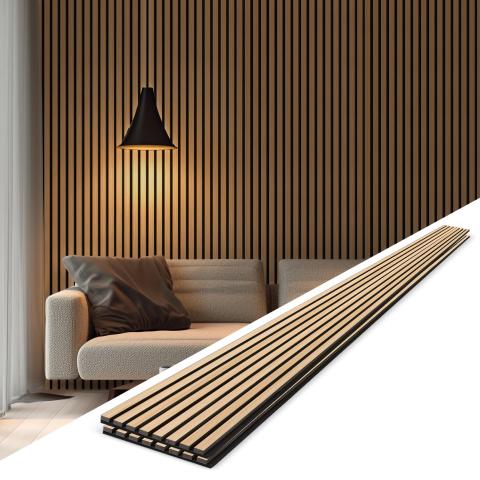
Wood can be a wonderful acoustic medium—if engineered properly. But decorative wooden slats marketed as “acoustic solutions” often lack the necessary backing materials, perforation patterns, or spacing to make a real difference.
A wooden finish alone doesn’t qualify a material as acoustic. And yet, many design teams fall for these high-priced, low-impact solutions. In such cases, the acoustic materials are more about looking premium than performing like it.
4. Suspended Baffles with No Acoustic Core
We’ve all seen them—large hanging panels that add drama to a ceiling space. But if these baffles are made of hard materials or have no acoustic core, they serve little more than an aesthetic function.
Unfortunately, many spaces install these thinking they’re boosting acoustic performance when, in fact, they’re barely making a dent. Without a high NRC (Noise Reduction Coefficient) core, these baffles are overrated acoustic materials that underdeliver.
Underrated Acoustic Materials
Let’s now flip the script and talk about the hidden gems. These acoustic materials might not get the attention they deserve, but they pack a serious punch in terms of performance, longevity, and flexibility.
1. Fiberglass Acoustic Panels
Fiberglass doesn’t sound fancy, but it’s incredibly effective. These panels offer excellent sound absorption across a wide range of frequencies and come in various shapes, thicknesses, and densities. They’re ideal for ceilings, walls, or even within partition systems.
These acoustic materials are lightweight, fire-resistant, and can be finished with different fabrics or perforated facings. They’re often ignored in favor of trendier materials, but fiberglass is a workhorse worth including in your next project.
2. PET Panels (Polyethylene Terephthalate)
If sustainability matters (and it should), PET panels are a go-to. Made from recycled plastic bottles, these acoustic materials are both eco-conscious and highly functional.
They’re durable, lightweight, and come in a range of colors and patterns that make them suitable for open offices, auditoriums, cafes, and more. Their ability to be cut into custom shapes adds a creative edge that designers love. Yet despite all these advantages, PET panels still fly under the radar.
3. Vinyl-Based Acoustic Wall Coverings
Often confused with regular wallpapers, vinyl acoustic wall coverings provide a surprising level of sound attenuation. These acoustic materials are especially effective in reducing reverberation in hotel rooms, conference areas, and executive offices.
What makes them underrated is their dual-purpose nature—offering aesthetic and acoustic value in one sleek package. Plus, they’re easy to clean and maintain, a major advantage in commercial settings.
4. Mineral Wool Boards
Another quiet champion of the acoustic materials world, mineral wool boards are excellent for thermal and acoustic insulation. Used behind perforated metal or wood ceilings, these boards offer high NRC ratings and are ideal for large spaces like airports, schools, and hospitals.
They’re naturally fire-resistant, eco-friendly, and perform well across all frequencies. So why aren’t they more popular? Possibly because they’re rarely seen—hidden behind layers of finish. But make no mistake, they are doing the heavy lifting when it comes to real acoustic control.
5. Micro Perforated Metal Ceilings with Acoustic Backing
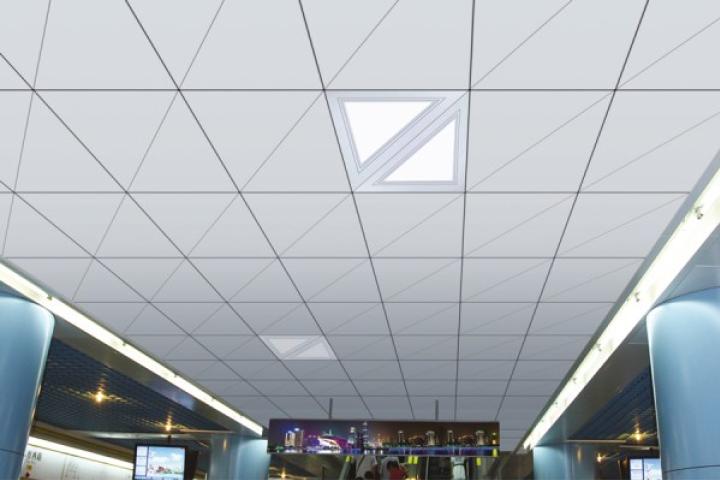
When it comes to blending form and function, this one’s a winner. These metal ceilings look sharp, modern, and premium—but with the right perforation pattern and backing material (like fiberglass or mineral wool), they become highly effective acoustic materials.
They’re especially valuable in commercial spaces that demand durability and hygiene—think airports, hospitals, corporate HQs, and high-end retail. Despite their effectiveness, they’re often overshadowed by more visible or decorative solutions.
Final Thoughts
In the race to create acoustically balanced environments, knowing which acoustic materials to trust is half the battle. Just because a product is expensive or visually appealing doesn’t mean it performs well acoustically. And just because something isn’t Instagram-worthy doesn’t mean it lacks merit.
So next time you’re planning a project, take a moment to re-evaluate your choices. Look beyond the glossy catalogues and dig into real-world performance data. The right acoustic materials can make all the difference—not just in how a space sounds, but in how it feels and functions.