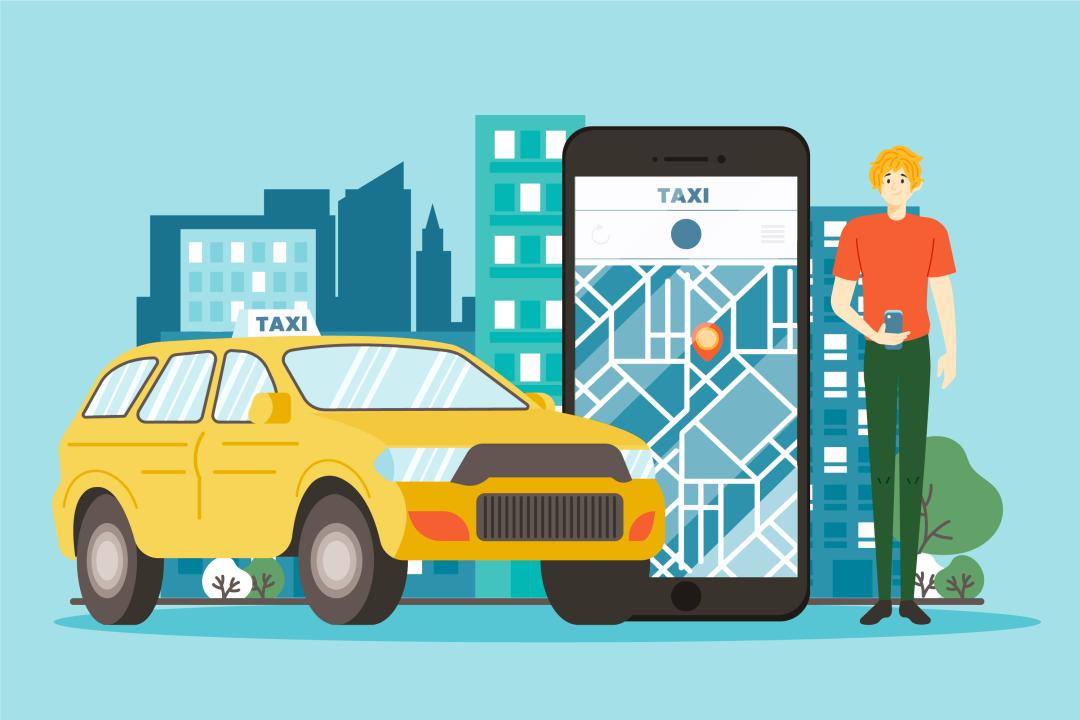

In today's fast-paced world, a taxi app is no longer just a convenience; it has become a necessity. People want rides quickly, without hassle. That's where a taxi app development company steps in, turning this expectation into a sleek, functional product that users love. But making an app isn’t enough. You need one that’s user-friendly and keeps customers coming back for more.
So, how do you build an app that people don’t just use, but actually prefer over the competition? Let’s dive in.
Understanding User Expectations
What Users Really Want
Most users care about one thing: getting from point A to point B as smoothly as possible. They want:
A simple app interface
Fast booking
Accurate arrival times
Transparent pricing
Secure payments
What Frustrates Users Most
If you’ve ever used a taxi app, chances are you’ve experienced:
Confusing menus
Delayed ride updates
Poor driver communication
App crashes or bugs
These issues can make users delete your app faster than you can say “ride request.”
Essential Features of a User-Friendly Taxi App
Intuitive User Interface (UI)
Think of the UI as the front door to your app. If it’s cluttered or confusing, people won’t step in. Use large buttons, clean layouts, and minimal steps to book a ride.
Easy Onboarding Process
Don’t make people jump through hoops to sign up. Offer quick registration with phone, email, or social logins. Bonus points if you skip the lengthy forms.
Real-Time Ride Tracking
Once a user books a ride, they want to know exactly where their driver is. A live map that updates in real-time keeps anxiety low and trust high.
Seamless Payment Integration
Let users pay how they want—credit card, wallet, UPI, PayPal, etc. Keep it secure and simple. No one wants to re-enter payment info every time.
Driver and Ride Ratings
Transparency builds loyalty. Let users rate drivers and view their ratings before accepting a ride. Feedback loops also help maintain quality.
Push Notifications and Alerts
Keep users updated: driver arrival, delays, promotions, etc. But don’t overdo it. Send what matters.
Advanced Features That Build Loyalty
Ride Scheduling
Busy users love the ability to book in advance. Make sure they can set up future rides and receive reminders.
In-App Chat Support
Support should never be more than a tap away. In-app messaging between users and drivers—or your support team—solves problems fast.
Promo Codes and Loyalty Rewards
Everyone loves discounts. Offer promo codes, referral bonuses, and ride points to reward repeat riders.
Saved Locations and Ride History
Let users save home, work, or favorite spots for quicker booking. Also, make past rides accessible for rebooking or records.
Design and UX Best Practices
Simplicity and Clarity
Avoid visual noise. Keep your interface focused and predictable. Users should never wonder what to tap next.
Accessibility for All Users
Make sure your app works for everyone, including those with visual or motor impairments. Use large fonts, contrast colors, and voice input features.
Fast Load Times and Responsiveness
Nobody likes waiting. If your app lags, users will switch. Optimize performance for both low-end and high-end devices.
Backend Essentials for Seamless Performance
GPS and Mapping Integration
Accurate location tracking is non-negotiable. Use services like Google Maps or Mapbox to provide real-time directions and geolocation.
Scalable Server Architecture
If your app grows, your backend should handle the traffic. Cloud-based infrastructure like AWS or Firebase offers flexibility and power.
Data Security and Privacy
Users share personal data—protect it. Use encryption, secure authentication, and follow GDPR/CCPA regulations to earn trust.
Steps to Build a Taxi Booking App
Do the Research – Understand your audience, competitors, and what’s missing in current apps.
Choose the Right Taxi App Development Company – Partner with experts who’ve done it before.
Design and Build – Start with wireframes and mockups, then get into actual development.
Test and Improve – Before launch, test for bugs, usability, and edge cases.
Launch and Market – Go live and let the world know about your app.
Mistakes to Avoid When Developing a Taxi App
Overloading the user with features
Ignoring the driver's side of the experience
Skipping beta testing and launching too soon
No clear support or feedback channel
How to Keep Customers Coming Back
Keep improving. Make sure to update the app regularly to include bug fixes and new features.
Personalize the experience based on user behavior.
Listen to feedback and respond fast.
Make them feel valued with promotions and perks.
Why Partnering with Experts Matters
Sure, you can hire freelancers or build in-house, but partnering with a seasoned taxi app development company ensures that nothing falls through the cracks. They know what works—and what doesn’t. They’ll save you time, money, and user complaints.
Final Thoughts
Creating a user-friendly taxi booking app isn’t rocket science—but it does require attention to detail and a deep understanding of your users. Start with the basics, avoid common pitfalls, and always focus on the customer experience. Partnering with a professional Mobile App Development Company in USA can turn your idea into an app that people not only use—but love.
Frequently Ask Questions :
1. What is the cost to develop a taxi booking app?
Ans: The cost depends on features, platform, and complexity. A basic version may start at $15,000–$30,000.
2. How long does it take to build one?
Ans: Typically, it takes 3–6 months from planning to launch, depending on scope.
3. What platforms should I build it for?
Ans: iOS and Android are both essential. A cross-platform framework like Flutter can save time and cost.
4. What steps can I take to ensure my app is secure?
Ans: Implement encryption, use secure APIs, and follow data protection regulations (GDPR, CCPA, etc.).
5. Can I add features later after launch?
Ans: Certainly! Modular development enables future feature upgrades without the need to redo the entire application.